How to Propagate Gulf coast spikerush?
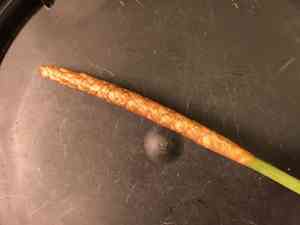
Eleocharis cellulosa flourishes in marshy environments and is ideal for preserving soil hydration. Reproduction occurs mainly via seeding. Make certain that seeds are embedded directly into perpetually damp earth for peak germination. Observe moisture levels and keep the cultivation zone clear of competing vegetation. Irrigate regularly to replicate native wetland environments, fostering vigorous development. Employ shallow receptacles to provide optimal water absorption. Periodically inspect for infestations and ailments to sustain robust growth.
Optimal Time for Gulf Coast Spikerush Propagation
Propagation Method
Seeding
Propagation Period
Spring
Tools for Gulf Coast Spikerush Propagation
Seed Trays
Seed trays are vital for germinating gulf coast spikerush seeds. They provide a controlled environment, ensuring consistent moisture and temperature, which are critical for successful germination. These trays also allow for easy monitoring and proper spacing, preventing overcrowding and promoting healthy development.
Humidity Domes
Humidity domes are placed over seed trays to maintain high humidity, crucial during the initial germination phase of gulf coast spikerush. They help retain moisture and create a warm microclimate, improving the chances of successful seedling emergence.
Fine Mist Spray Bottle
A fine mist spray bottle is used to gently water gulf coast spikerush seeds and seedlings. This tool prevents soil and seed disturbance, providing adequate moisture without causing erosion or displacement.
Vermiculite or Sand
Vermiculite or sand is recommended for lightly covering gulf coast spikerush seeds. These materials help retain moisture while allowing sufficient air exchange, which is critical for preventing fungal infections and promoting healthy seed germination.
Seedling Heat Mat
A seedling heat mat can be beneficial in maintaining the optimal soil temperature required for gulf coast spikerush germination. It ensures consistent warmth, especially important in cooler climates or during off-peak growing seasons.
Pricking Out Tool
This tool is used for transplanting delicate gulf coast spikerush seedlings from the seed tray to individual pots or a garden bed. It helps minimize root disturbance and damage, ensuring the young plants have the best chance of survival and growth.
Labeling Stakes
Labeling stakes are crucial for keeping track of different gulf coast spikerush seed batches. Clearly marked labels ensure proper identification, preventing mix-ups and allowing targeted care for different propagation stages.
Sterile Potting Mix
Using a sterile potting mix reduces the risk of soil-borne diseases, which can severely impact gulf coast spikerush health. The sterile environment supports healthy root development and reduces the chances of fungal and bacterial infections.
How to Propagate Gulf Coast Spikerush?
Propagation Difficulty
Simple
Caring for Newly Propagated Gulf Coast Spikerush
Caring for Newly Propagated Gulf Coast Spikerush
After transplanting, keep young gulf coast spikerush plants in a location with partial to full sunlight and maintain consistent moisture by regular watering, avoiding waterlogging. Gradually acclimate the plants to outdoor conditions if they are to be planted in natural settings. Monitor for pests or diseases and address promptly. Apply a balanced, diluted fertilizer periodically to encourage robust growth.
Common Propagation Mistakes for Gulf Coast Spikerush
Overwatering
Excessive watering can lead to root rot and fungal diseases, severely hindering plant growth.
Insufficient sunlight
This plant thrives in full sun; inadequate light can result in poor growth and weak plants.
Poor soil drainage
Using soil that does not drain well can cause water to stagnate around the roots, leading to rot.
Crowding
Planting too closely together can limit air circulation, leading to the spread of diseases.
Ignoring pest control
Failure to monitor and control pests can result in damage to young shoots and roots, affecting successful propagation.
Tips for Propagating Gulf Coast Spikerush
Ensure drainage
Use well-draining soil to avoid waterlogging and root rot.
Adequate sunlight
Place the plant in an area where it will receive plenty of sunlight to promote robust growth.
Space appropriately
Give each plant ample space to ensure good air circulation and prevent disease spread.
Regular monitoring
Check for pests regularly and treat immediately to prevent damage to young plants.
Water wisely
Water the plant adequately but ensure the soil is not consistently waterlogged by allowing it to dry between waterings.



