How to Prune Purple Coneflower?
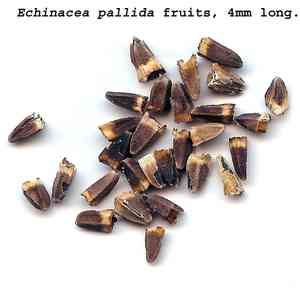
A resilient perennial valued for its pointed blossoms and medicinal qualities, purple Coneflower flourishes with little upkeep. Trim withered leaves in early spring to stimulate development. Remove faded blooms in summer to encourage additional flowering. In autumn, cut back to soil level following a frost to ensure neatness. Trimming improves air movement and diminishes pests, guaranteeing purple Coneflower's vigor. Coordinate these actions with the specified seasons for peak plant well-being and visual attractiveness.
What Are the Benefits of Pruning Purple Coneflower?
What Are the Benefits of Pruning Purple Coneflower?
Trimming purple Coneflower promotes more abundant blooms, revitalizes its vigor, and maintains an attractive shape. Strategic cuts improve air circulation and lessen disease, ensuring a vibrant floral display.
What Is the Best Time for Pruning Purple Coneflower?
What Is the Best Time for Pruning Purple Coneflower?
Pruning purple Coneflower from late winter to early spring is optimal as the plant is dormant, preceding its spring growth. This timing minimizes stress on purple Coneflower, as it's not actively using resources for growth, flowers, or seeds. Trimming before new growth allows for shaping and removal of dead or diseased stems without affecting future blooms. Since purple Coneflower flowers on new wood, this timing prevents cutting off developing flower buds. Cooler weather also reduces disease transmission, and pruning wounds heal faster with new growth. By summer and fall, pruning should focus on deadheading spent flowers to encourage more blooms and maintain plant health and appearance.
What Tools Do I Need to Prune Purple Coneflower?
Bypass Pruners
Perfect for making precise cuts on purple Coneflower, bypass pruners operate like scissors, minimizing stem tissue damage and promoting healthier regrowth.
Pruning Snips
For detailed deadheading or trimming small, delicate areas of purple Coneflower, pruning snips allow for accurate cuts without harming adjacent stems or leaves.
Gloves
Hand protection is essential when pruning purple Coneflower to prevent irritation from plant sap and guard against thorns or sharp stems.
Garden Scissors
Versatile garden scissors are useful for cutting back dead foliage on purple Coneflower, offering flexibility for various tasks.
Long-handed Pruners
To reach the center of mature purple Coneflower plants without disturbing nearby plants, long-handled pruners provide extended reach and leverage.
How to Prune Purple Coneflower
Clean Tools
Sanitize pruning shears or scissors with rubbing alcohol or a bleach solution to prevent disease spread to purple Coneflower.
Remove Disease
Carefully cut away any diseased leaves from purple Coneflower, making clean cuts at the leaf stem's base to avoid stubs that could allow pathogen entry.
Trim Withered Leaves
Remove withered leaves by cutting them at their base, close to the stem of purple Coneflower, to encourage healthy growth and improve air circulation.
Deadhead Flowers
Deadhead spent blooms by snipping the flower stem below the old flower head of purple Coneflower to encourage more flowering and prevent unwanted self-seeding.
Disposal
Properly dispose of all removed plant material from purple Coneflower, keeping it away from healthy plants to prevent potential disease transmission.
Common Pruning Mistakes with Purple Coneflower
Overpruning
Removing too much foliage from purple Coneflower can stress the plant, leading to fewer flowers or even plant demise.
Cutting Too Close
Snipping purple Coneflower stems too near the main crown can harm basal growth and hinder future flowering.
Neglecting To Remove Spent Blooms
Failing to deadhead purple Coneflower can result in energy being wasted on seed production instead of flowering and growth.
Using Dull Tools
Pruning purple Coneflower with blunt tools can create jagged cuts, making the plant more vulnerable to disease and pests.
Pruning At Wrong Angle
Incorrectly angled cuts on purple Coneflower stems can collect water, potentially leading to rot or disease.
Ignoring Plant Health
Trimming purple Coneflower without considering its health or stress factors might weaken the plant or worsen its condition.
Common Pruning Tips for Purple Coneflower
Clean Cuts
Always use sharp, sterile pruning tools to make clean cuts on purple Coneflower, which helps prevent disease and ensures rapid healing.
Leave Some Growth
When cutting back purple Coneflower, leave several inches of stem with leaves to support plant health and stimulate new growth.
Deadheading
Regularly remove spent flowers of purple Coneflower to promote additional blooming and redirect energy to the plant's development.
Shape The Plant
Prune purple Coneflower to maintain an attractive form, which also aids in air circulation and sunlight penetration, fostering a healthy plant.
Thin Out
If purple Coneflower becomes too dense, thin out some stems to improve air circulation and reduce the risk of fungal infections.
Recognize New Buds
Ensure that any pruning of purple Coneflower does not remove new buds, which could diminish the flowering potential in the upcoming season.



