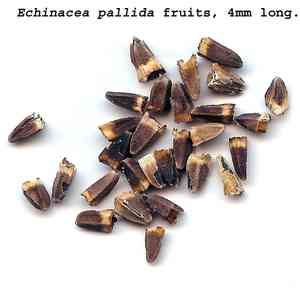
Purple Coneflower (Echinacea pallida)
Also known as: Pale Purple Cone-Flower, Pale echinacea
The perennial wildflower you're referring to is known as the Pale Purple Coneflower (*Echinacea pallida*). Native to eastern and central North America, this summer-blooming plant features a distinctive spiky central cone. The name *Echinacea pallida* translates to "pale hedgehog" or "sea urchin," reflecting the unique appearance of its flower head.
In This Article
Attributes of Purple Coneflower
Lifespan
Perennial, Annual
Plant Type
Herb
Plant Height
61 cm to 91 cm
Spread
30 cm to 45 cm
Leaf Color
Green
Flower Size
2.5 cm to 8 cm
Flower Color
Pink White Purple
Images of Purple Coneflower
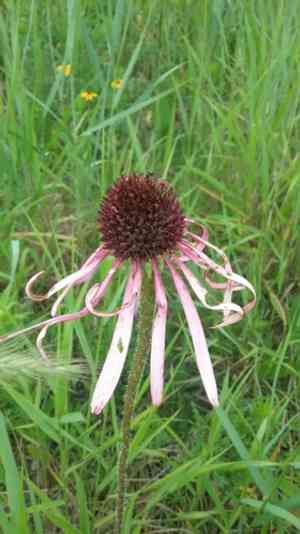
Quickly Identify Purple Coneflower
1
Slender, upright stems measuring 2-3 feet (60-90 cm) tall.
2
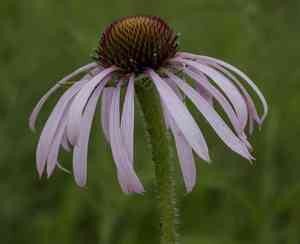
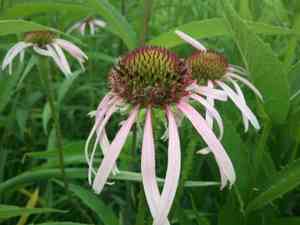
Distinctive flower heads with spiny, cone-shaped central disc and drooping pale pink-purple petals.
3
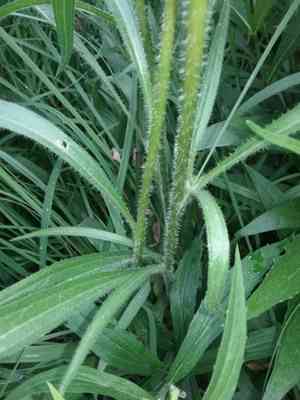
Leaves are lanceolate, 4-8 inches (10-20 cm) long, with rough texture and slightly toothed margins.
4
Stout, erect stem covered in coarse, bristly hairs, light green to purplish in color.
5
Daisy-like flowers with 12-20 drooping pinkish-purple petals, each 1.5-3 inches (3.8-7.6 cm) long.
Scientific Classification of Purple Coneflower
Phylum
Vascular plants
Class
Dicotyledons
Order
Asterales
Family
Daisy
Genus
Coneflowers
Species
Purple Coneflower
Planting and Growing of Purple Coneflower
Care Difficulty
Easy
Watering Schedule
Every 2 days
Sunlight Requirements
Full sun
Sunshine Duration
4-8 hours
Ideal Temperature
60-75℉
Soil Type
Potting Mix, Peat Mix
Soil pH
6.5-7.5
Fertilizer Type
Balanced
Pruning Season
Spring, Summer
Pruning Area
Branches, Leaves
Pruning Frequency
2 times a year
Repotting Season
Spring
Pot Type
Plastic, Ceramic
 How to Water Purple Coneflower?
The Echinacea pallida prefers a balanced watering approach. When watering, aim to provide approximately 500 ml of water. The goal is to moisten the soil thoroughly, ensuring that water reaches the root zone without leaving the soil waterlogged. Avoid overwatering by ensuring water drains well through the planting container or ground.
What are the symptoms of an underwatered Purple Coneflower?
›
What should I do if my Purple Coneflower is not getting enough water?
›
What are the symptoms of an overwatered Purple Coneflower?
›
How to save an overwatered Purple Coneflower?
›
 What Are the Sunlight Requirements for Purple Coneflower?
Echinacea pallida prefers full sun exposure. Ensuring this light range boosts photosynthesis, encourages strong blooming, and maintains the plant's vitality and resilience.
More About Sunlight Requirements Techniques→
What is the ideal amount of sunlight for Echinacea pallida?
›
How can I ensure Echinacea pallida receives its ideal lighting?
›
What benefits does Echinacea pallida enjoy from optimal sunlight?
›
 What Is the Ideal Temperature Range for Purple Coneflower?
The ideal growing temperature range for Echinacea pallida is between 60°F and 75°F. During this range, the plant demonstrates optimal growth, health, and blooming capabilities. Keeping the temperature within these limits ensures that the flowers are vibrant and the plant is resilient to mild environmental stressors.
 What Soil is Best for Purple Coneflower?
Echinacea pallida thrives in well-drained soil, which prevents root rot and encourages healthy root development. Well-draining soil ensures water does not linger around the root system. The plant benefits from soil rich in organic matter, providing essential nutrients for vigorous growth and vibrant blooms. Compost or aged manure can enhance soil fertility. Although Echinacea pallida is drought-tolerant, moderate soil moisture helps sustain growth, especially during its early stages. Consistent moisture encourages strong, resilient foliage.
 How to Fertilize Purple Coneflower?
Echinacea pallida, commonly known as pale coneflower, thrives with moderate fertilization. Use a balanced liquid fertilizer diluted to half strength, typically a 10-10-10 NPK ratio, providing 1/4 to 1/2 cup per plant depending on size. For the slow-release option, scatter a small handful of granules around the root zone without overconcentrating.
 How to Prune Purple Coneflower?
Remove faded flowers promptly during the blooming season by cutting them off just above the nearest leaf set. This will encourage continual blooming and maintain a tidy appearance. In late Autumn, after the first frost, cut the stems back to about 6 inches. This helps protect the plant through winter and encourages vigorous growth in spring.
More About Pruning Techniques→
 How to Propagate Purple Coneflower plant?
1
Begin by filling seed trays with a well-draining seed-starting mix. Lightly scatter the seeds on top and cover them with a thin layer of soil. Keep the soil consistently moist but not waterlogged.
2
After sowing the seeds or dividing the plants, ensure the right amount of moisture. Use a fine misting spray to keep the soil moist without displacing seeds or stressing newly divided plants.
3
When dividing plants, carefully dig up the entire plant and gently shake off excess soil. Use a sharp tool to split roots into sections, ensuring each has one or more growing points.
 How to Repot Purple Coneflower plant?
1
Echinacea pallida typically needs repotting when you notice roots protruding from the drainage holes or when growth seems stunted. Spring is the ideal season to repot as the plant is entering its active growing phase, allowing it to quickly adapt to the new pot. It's also a good idea to consider repotting if the soil has become overly compacted or if the current pot is not draining well. Observing these cues ensures that your plant continues to flourish in its environment.
2
Select a pot that is only slightly larger than the current one, ideally 1 to 2 inches wider. This prevents overwatering and allows the roots enough room to grow without becoming waterlogged. Make sure the pot has sufficient drainage holes to minimize the risk of root rot. The material of the pot, whether clay, ceramic, or plastic, can affect moisture retention, so consider your plant's watering needs when choosing.
3
Opting for a well-draining potting mix is crucial for Echinacea pallida to prevent root rot. A mix that includes components like perlite or sand will enhance aeration and drainage. This type of soil supports healthy root development by ensuring that excess water doesn't linger, thereby reducing the risk of fungal diseases. Good soil composition equates to thriving plants.
Learn More About Purple Coneflower Diseases
Anthracnose
Bacterial Leaf Spot
Bacterial Wilt
Crown Gall
Cyst Nematode
Damping-off
Downy Mildew
Drought Stress
Fusarium Wilt
Gray Mold
Leaf Curl
Leaf Spot
Mosaic
Nutrient Deficiency
Nutrient Toxicity
Powdery Mildew
Root Rot
Root-knot Nematode
Rusts
Sooty Mold
Spider Mites
Temperature Stress
Thrips Damage
White Mold



