How to Propagate Purple Coneflower?
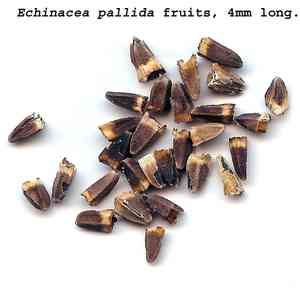
Purple Coneflower can be successfully multiplied by planting seeds. For optimal outcomes, the seeds require a period of stratification lasting several weeks to improve their sprouting rate. Make sure to plant them in soil that drains efficiently, expose them to sufficient sunlight, and keep the soil consistently moist without saturating it. Young plants should appear once conditions are suitable. Gentle handling during relocation will aid in developing a strong root structure.
Optimal Period for Purple Coneflower Propagation
Propagation Type
Seeding
Propagation Season
Spring
Tools for Purple Coneflower Propagation
Seed trays
Seed trays are crucial for effective sowing of purple Coneflower's seeds. They facilitate consistent spacing and depth control, ensuring ideal seed-to-soil contact and moisture retention, both vital for successful sprouting. Various cell sizes can accommodate seedling development until they are robust enough for transplanting.
Fine-grained seed-starting mix
A fine-textured seed-starting mix is advised to offer purple Coneflower's delicate seeds the perfect medium for germination. This soil type typically has a fine consistency and drains well, preventing waterloggingâa common problem that can cause seed decay.
Misting bottle
A misting bottle is essential for gently hydrating purple Coneflower seeds. Unlike conventional watering methods, misting helps maintain the soil's ideal moisture level without causing erosion or dislodging the tiny seeds.
Heat mats
Heat mats encourage purple Coneflower germination by maintaining a steady soil temperature. This is especially helpful during colder months or in controlled environments where sustaining an optimal growth temperature can be difficult.
Grow lights
If natural light conditions are insufficient, grow lights can supply purple Coneflower seedlings with the necessary light spectrum for photosynthesis. This can lead to healthier, more vigorous growth during the initial developmental stages.
Propagating Purple Coneflower
Propagation Type
Simple
Caring for Newly Propagated Purple Coneflower
Caring for Newly Propagated Purple Coneflower
Post-propagation, purple Coneflower needs full sun to partial shade and prefers well-draining soil. Water young plants regularly to establish a strong root system, but allow the soil to dry between waterings. As purple Coneflower is drought-tolerant once mature, reduce watering frequency. Fertilize sparingly if growth is slow. Deadheading can encourage more blooms and prevent excessive self-seeding. Divide mature plants every few years to maintain vitality.
Common Errors to Avoid When Propagating Purple Coneflower
Overwatering
Excessive water can lead to root rot, compromising purple Coneflower's root system, affecting nutrient absorption and overall health.
Deep planting
Planting seeds or seedlings too deeply can impede their ability to emerge or establish, potentially leading to propagation failure.
Ignoring soil requirements
Purple Coneflower thrives in well-draining soil; neglecting this can result in waterlogged conditions that hinder growth or cause disease.
Neglecting division frequency
Failure to divide purple Coneflower every few years can lead to overcrowding and reduced vigor, as the center of the clump often dies off.
Using diseased plant material
Propagating from unhealthy plants can spread pathogens to new plants, impeding their growth or even killing them.
Advice for Propagating Purple Coneflower
Proper seed depth
Sow purple Coneflower's seeds at the correct depth, no more than 1/4 inch, to ensure proper germination and development.
Soil preparation
Utilize well-drained soil with an ideal pH and fertility level suitable for purple Coneflower to increase the likelihood of successful propagation.
Adequate spacing
Providing sufficient room between plants allows for proper air circulation and sunlight, reducing disease risk and promoting healthy growth.
Division method
Carefully divide mature purple Coneflower clumps during the cooler part of the day, preserving as many roots as possible to ensure the health of the divided plants.
Healthy parent plants
Ensure parent plants are healthy and disease-free before taking any cuttings or divisions to propagate purple Coneflower for better success rates.



