How to Prune Wavyleaf snakeherb?
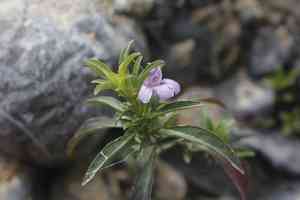
Wavyleaf snakeherb is a unique botanical specimen recognized for its undulating foliage and violet blossoms. Trim wavyleaf snakeherb during the initial part of spring to stimulate robust development and more abundant floral displays. Concentrate on excising lifeless or compromised stalks, reducing density in congested zones, and sculpting the plant to improve air movement. Trimming fosters vitality and can aid in managing its expansion. Regular pruning can additionally elevate its visual attractiveness and preserve the plant's well-being.
What Are the Benefits of Pruning Wavyleaf Snakeherb?
What Are the Benefits of Pruning Wavyleaf Snakeherb?
Wavyleaf snakeherb benefits from trimming as it helps maintain its form and promotes robust growth. Regular trimming can also decrease the risk of pests and diseases, ensuring a healthier plant. This practice enhances overall appearance and encourages dense, lush foliage.
What Is the Best Time for Pruning Wavyleaf Snakeherb?
What Is the Best Time for Pruning Wavyleaf Snakeherb?
Early spring is considered the optimal time to prune or trim wavyleaf snakeherb because it aligns with the end of its dormant period. Pruning at this time helps stimulate new growth as the plant enters its active growing season. Additionally, trimming in early spring allows the plant to recover quickly and minimizes the risk of disease and pest infestation. This timing also ensures that the plant's flowering and fruiting cycles are not disrupted, promoting better overall health and aesthetics.
What Tools Do I Need to Prune Wavyleaf Snakeherb?
Bypass pruners
Crucial for making precise cuts on living stems and branches, preserving the plant's vitality.
Anvil pruners
Useful for cutting through thicker, dead wood without the risk of crushing live stems.
Loppers
Helpful for reaching and cutting thicker branches that are too large for hand pruners.
Pruning saw
Ideal for cutting back large stems and branches, ensuring a clean cut for healthy regrowth.
Hand shears
Effective for detailed pruning and shaping of smaller stems and foliage.
How to Prune Wavyleaf Snakeherb
Assessment
Examine wavyleaf snakeherb for any diseased leaves, withered leaves, dead branches, and diseased branches. Carefully identify the specific parts that require trimming.
Sterilization
Before you begin pruning, sterilize your pruning tools using rubbing alcohol or a bleach solution to prevent the spread of disease.
Prune Diseased Leaves
Remove any diseased leaves by cutting them at the base where they meet a healthy stem. Ensure to cut at an angle to allow water to run off easily.
Prune Withered Leaves
Trim any withered leaves by following a similar method, cutting them at the base where they join the stem while taking care to avoid damaging healthy foliage.
Remove Dead and Diseased Branches
Carefully prune dead branches and diseased branches back to where they meet a healthy branch or the main stem. Make clean cuts at an angle to promote proper healing and to prevent water buildup.
Common Pruning Mistakes with Wavyleaf Snakeherb
Incorrect technique
Using dull or inappropriate tools can cause ragged cuts that take longer to heal and are more susceptible to disease. Over-pruning can also stress the plant, while under-pruning may not encourage optimal growth.
Poor timing
Pruning too late in the growing season can divert the plant's energy away from root development and winter hardiness. It can also induce a growth spurt that may not harden off before colder temperatures arrive.
Excessive pruning
Removing too much foliage at once can significantly reduce the plant's ability to photosynthesize, leading to stunted growth and poor health. It's essential to prune judiciously to maintain a balanced and healthy plant structure.
Common Pruning Tips for Wavyleaf Snakeherb
Appropriate tools
Always use sharp, clean pruning shears to make clean cuts that heal quickly. Sterilize tools before and after pruning to prevent the spread of diseases.
Prune for shape and health
Focus on removing dead, damaged, or diseased branches first. Then, trim back any overly vigorous stems to maintain a compact, attractive shape. This also helps improve sunlight penetration and air circulation.
Moderation is key
Only remove up to one-third of the plant's foliage at a time. This ensures the plant has enough leaves to support photosynthesis and recovery. Gradual, regular pruning is better than infrequent, heavy pruning sessions.
Remove flower stalks wisely
After flowering, cut back spent flower stalks to promote new growth and potentially more blooms. Avoid cutting into the main stem or healthy foliage when removing spent flowers.



