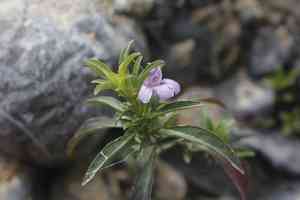
Wavyleaf snakeherb (Dyschoriste crenulata)
Also known as: Blue Twinspur, Twinspur Dyschoriste
Wavyleaf snakeherb is a hardy, low-lying shrub known for its scalloped leaves and striking tubular purple flowers. It flourishes in sunny locations and is well-suited to dry, rocky soils. This plant's adaptability allows it to thrive in semi-arid regions, showcasing both resilience and aesthetic appeal.
In This Article
Attributes of Wavyleaf snakeherb
Lifespan
Perennial
Plant Type
Shrub
Plant Height
45-60 cm
Spread
Variable depending on growth habit
Leaf Color
Green
Flower Size
1-2 cm
Flower Color
Blue, Purple
Images of Wavyleaf snakeherb
Quickly Identify Wavyleaf snakeherb
1
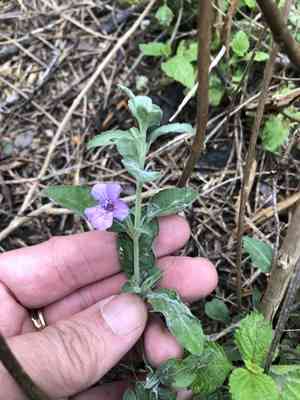
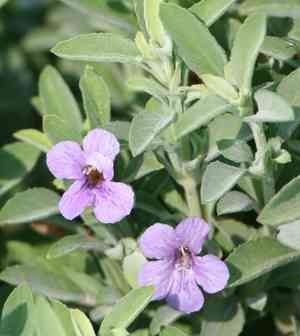
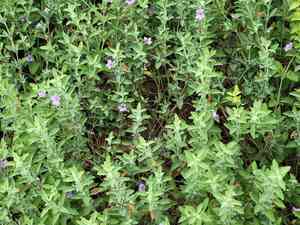
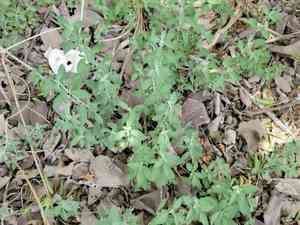
This plant can be identified by its lance-shaped, crenulated leaves and its distinctive blue to purple tubular flowers. The flowers typically appear in clusters.
Scientific Classification of Wavyleaf snakeherb
Phylum
Vascular plants
Class
Dicotyledons
Order
Lamiales
Family
Acanthus
Genus
twinflower
Species
Wavyleaf snakeherb
Planting and Growing of Wavyleaf snakeherb
Care Difficulty
Moderate
Watering Schedule
Every 3 days
Sunlight Requirements
Partial sun
Sunshine Duration
6-10 hours
Ideal Temperature
65-75℉
Soil Type
Potting Mix, Peat Mix
Soil pH
6.5-7.5
Fertilizer Type
Balanced
Pruning Season
Spring, Summer
Pruning Area
Branches, Leaves
Pruning Frequency
2 times a year
Repotting Season
Spring
Pot Type
Plastic, Ceramic
 How to Water Wavyleaf snakeherb?
For Dyschoriste crenulata, water until the soil is evenly moist but not soggy. The plant appreciates thorough watering, but the roots should never sit in water. Aim for 250 ml of water per session, ensuring it penetrates deeply into the soil.
What are the symptoms of an underwatered Wavyleaf snakeherb?
›
What should I do if my Wavyleaf snakeherb is not getting enough water?
›
What are the symptoms of an overwatered Wavyleaf snakeherb?
›
How to save an overwatered Wavyleaf snakeherb?
›
 What Are the Sunlight Requirements for Wavyleaf snakeherb?
Dyschoriste crenulata prefers partial shade, as this mimics its natural growing conditions and supports vibrant growth and sustained health without the hazards of overexposure.
How much light does Dyschoriste crenulata ideally need?
›
Solutions for achieving ideal light conditions?
›
What are the benefits of ideal lighting for the plant?
›
 What Is the Ideal Temperature Range for Wavyleaf snakeherb?
The ideal temperature range for growing Dyschoriste crenulata is between 65°F and 75°F. Within this range, the plant can thrive and maintain healthy growth as it provides an optimal environment for the biological processes.
 What Soil is Best for Wavyleaf snakeherb?
Dyschoriste crenulata needs well-drained soil to prevent root rot. This ensures the roots get sufficient oxygen and can absorb nutrients effectively, promoting healthy growth. A lightweight texture, like sandy loam, is ideal for Dyschoriste crenulata. It allows for easy root penetration and adequate water drainage, ensuring the plant's roots remain sturdy and well-nourished. Rich in necessary nutrients, the soil supports the vibrant foliage and robust health of Dyschoriste crenulata. Adequate nutrients in the soil allow for vigorous growth and flowering.
 How to Fertilize Wavyleaf snakeherb?
Dyschoriste crenulata typically requires a balanced mix of essential nutrients. Use about 1 teaspoon of liquid fertilizer per gallon of water or a small handful of slow-release fertilizer per square foot, following package instructions for specific recommendations.
 How to Prune Wavyleaf snakeherb?
Begin by using clean and sharp pruning shears. Look for any dead or damaged stems and cut them back to the base of the plant to improve air circulation and plant health. Then, proceed to trim around a quarter of the plant by cutting just above a pair of healthy leaves. This encourages bushier growth and prevents legginess. To shape your Dyschoriste crenulata, aim to create an even, rounded appearance by trimming longer branches and stems that disrupt the plant's symmetry. Focus on maintaining an overall balanced form that suits the surrounding landscape or container setting. Prune above a pair of leaves that face outward to expand plant size.
More About Pruning Techniques→
 How to Propagate Wavyleaf snakeherb plant?
1
Begin by obtaining fresh seeds from a reliable source. Soak seeds in warm water for 24 hours to improve germination. This process helps break seed dormancy and encourages faster sprouting.
2
Select healthy stems free from disease or pests. Use a sharp pruner to cut 4-6 inch sections below a node. Remove leaves from the lower half to reduce water loss during rooting.
3
For seeds, sow them in a seed tray filled with well-draining soil. Water lightly and cover with a thin layer of soil. For cuttings, insert them into a pot with moist soil or perlite. Ensure they are stable and upright.
 How to Repot Wavyleaf snakeherb plant?
1
Repotting Dyschoriste crenulata should be done when you notice roots growing out of the drainage holes or when the plant seems to have stunted growth. These signs often indicate the need for a larger space to accommodate root expansion, which is crucial for healthy growth.
2
Selecting an appropriately sized pot is essential. Opt for a pot that's one or two sizes larger than the current one, with good drainage holes. This ensures not only that the roots have ample space to spread but also prevents water logging, thereby reducing the risk of root rot.
3
A well-draining potting mix is the best choice for Dyschoriste crenulata. This kind of soil provides a balance of moisture retention and aeration, which is vital for avoiding root rot and providing the roots with the oxygen they need for optimal growth.
Learn More About Wavyleaf snakeherb Diseases
Anthracnose
Bacterial Leaf Spot
Bacterial Wilt
Chemical Injury
Damping-off
Downy Mildew
Drought Stress
Fusarium Wilt
Gray Mold
Leaf Curl
Leaf Spot
Mosaic
Nutrient Deficiency
Nutrient Toxicity
Powdery Mildew
Root Rot
Root-knot Nematode
Rusts
Sooty Mold
Spider Mites
Temperature Stress
Thrips Damage
White Mold



