How to Propagate Wavyleaf snakeherb?
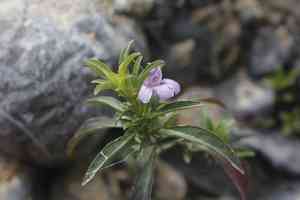
Wavyleaf snakeherb, a species within the Acanthaceae family, is notable for its characteristic undulated leaf margins and its versatility as a garden groundcover. For propagation, take sections from robust, non-blooming stems and insert them into adequately draining substrate, ensuring continuous dampness. Successful rooting depends on sustaining a moist atmosphere around the cuttings until their root systems are firmly developed. This approach ensures the vigorous growth and desired spread of wavyleaf snakeherb.
When Is the Optimal Time to Propagate Wavyleaf Snakeherb?
Propagation Method
Cutting
Propagation Period
Spring,Summer
What Equipment Is Used for Wavyleaf Snakeherb Propagation?
Sharp Pruning Shears
Utilized for obtaining clean cuttings from wavyleaf snakeherb. Keen blades are vital to minimize harm to plant tissue and lower infection risk.
Rooting Hormone Powder
Assists in stimulating root formation on stem cuttings. Applying this powder to the cut end of wavyleaf snakeherb helps boost root growth and improves propagation success rates.
Propagating Trays
Offers an ideal setting for positioning and cultivating wavyleaf snakeherb cuttings. Trays with individual cells ensure each cutting has ample room to develop without competition.
Sterile Potting Mix
A well-draining and sterile potting medium is crucial for wavyleaf snakeherb propagation. It aids in preventing fungal infections and ensures good oxygen flow to developing roots.
Humidity Dome
Maintains elevated humidity levels around wavyleaf snakeherb cuttings, which is essential for reducing water loss and assists in the rooting process. Consistent moisture prevents cuttings from drying out.
Spray Bottle
Employed to mist cuttings regularly to sustain humidity levels under the dome without over-saturating the soil. Fine misting keeps wavyleaf snakeherb foliage hydrated.
Heat Mat
Provides warmth from below, which can accelerate root development in wavyleaf snakeherb cuttings. Consistent and gentle heat facilitates easier root establishment.
Clean Scissors or Knife
Used for trimming and preparing wavyleaf snakeherb cuttings prior to placing them in potting mix. Sterilized cutting tools prevent disease transmission.
How to Propagate Wavyleaf Snakeherb?
Propagation Type
Moderately Difficult
How to Care for Your Newly Propagated Wavyleaf Snakeherb?
How to Care for Your Newly Propagated Wavyleaf Snakeherb?
After successful rooting, typically within 4-6 weeks, transfer the wavyleaf snakeherb plantlets into larger containers or directly into the garden. Ensure they are situated in a spot with partial to full sun and well-draining soil. Consistent watering is necessary, but avoid waterlogged conditions. Apply mulch around the base to retain moisture and inhibit weed growth. Fertilize sparingly, as wavyleaf snakeherb generally thrives in nutrient-poor soils. Monitor for pests and diseases, treating as needed with organic or chemical solutions based on the plant's requirements.
Common Mistakes to Avoid When Propagating Wavyleaf Snakeherb
Overwatering
Excessive moisture can lead to root rot, causing young plants or cuttings to decline and perish.
Insufficient Light
Providing too little sunlight can hinder wavyleaf snakeherb from photosynthesizing effectively, impeding growth and vitality.
Improper Soil
Using soil that is too dense or lacks proper drainage can suffocate roots, leading to poor establishment.
Wrong Cutting Length
Taking cuttings that are either too short or too long can impact rooting success, with short cuttings drying out and long cuttings struggling to absorb sufficient nutrients.
Tips For Propagating Wavyleaf Snakeherb
Moderate Watering
Water wavyleaf snakeherb adequately but allow the soil to dry slightly between waterings to prevent decay.
Adequate Light
Ensure wavyleaf snakeherb receives a good amount of indirect sunlight to promote healthy growth without scorching its leaves.
Well-Draining Soil
Utilize a light, well-draining soil mix to encourage proper root development and prevent water stagnation.
Optimal Cutting Technique
Take cuttings that are approximately 4-6 inches long, ensuring they possess a few leaf nodes for enhanced rooting potential.



