How to Prune Pink Sundew?
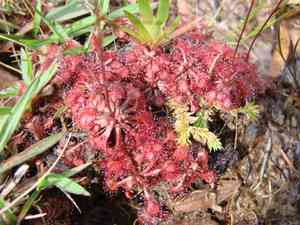
Distinguished by its adhesive, predatory foliage, pink Sundew flourishes with infrequent trimming, primarily for the removal of withered blooms or deceased leaves. Perform pruning during the spring or summer, coinciding with periods of active development. Excising spent flower stems improves aesthetics and diverts energy towards leaf proliferation. Exercise caution when handling leaves, as they are crucial to pink Sundew's insect-capturing function. Advantages of pruning encompass preserving a neat shape and potentially fostering more compact, robust growth.
What Are the Benefits of Pruning Pink Sundew?
What Are the Benefits of Pruning Pink Sundew?
Trimming pink Sundew helps maintain its compact shape, promoting vigorous growth. Regular removal of dead or dying traps allows the plant to reallocate energy to new, healthy development.
What Is the Best Time for Pruning Pink Sundew?
What Is the Best Time for Pruning Pink Sundew?
Pruning in Spring enables pink Sundew to conserve energy before its active growth phase, boosting its vitality and overall development. Early Summer pruning is beneficial as it coincides with the end of pink Sundew's flowering period, allowing the plant to direct more resources towards strength and health for the next season.
What Tools Do I Need to Prune Pink Sundew?
Fine-tip Tweezers
Given pink Sundew's delicate and small nature, fine-tip tweezers are ideal for carefully removing dead or dying leaves without disturbing the surrounding sticky tentacles or other healthy parts.
Small Scissors or Snips
Pink Sundew may require precise trimming, which can be done effectively with small scissors or snips, allowing for the careful cutting away of unwanted material without harming the plant's structure.
Spring-loaded Pruning Shears
For any thicker or tougher material around pink Sundew, spring-loaded pruning shears offer precise control and minimal effort, reducing the risk of damage to the plant from applying too much force.
How to Prune Pink Sundew
Disinfect tools
Before beginning, ensure all pruning tools are sanitized to prevent the spread of disease to pink Sundew.
Identification
Carefully inspect pink Sundew to identify any diseased or withered leaves and stems that need to be removed.
Remove diseased leaves
Gently snip off any diseased leaves at their base where they meet the stem, avoiding damage to healthy parts of pink Sundew.
Remove withered leaves
Trim away withered leaves from pink Sundew by cutting them at the base to encourage healthy growth and improve air circulation.
Remove diseased stems
If any stems are diseased, cut them back to the base or to the nearest healthy offshoot, taking care not to disturb the root system of pink Sundew.
Common Pruning Mistakes with Pink Sundew
Overpruning
Gardeners might remove too many leaves, which can stress pink Sundew and reduce its ability to photosynthesize and catch prey.
Cutting Healthy Leaves
Pruning healthy, dew-producing leaves can weaken pink Sundew since these are essential for its nutrition.
Using Dirty Tools
Pruning pink Sundew with dirty or contaminated tools can introduce pathogens that harm the plant.
Pruning Without Reason
Unnecessary pruning of pink Sundew may be conducted out of routine, which could damage the plant without offering any benefits.
Ignoring Dead Traps
Failing to remove dead or dying traps can lead to decay and possible infection in pink Sundew.
Incorrect Technique
Using the wrong technique, such as tearing instead of cutting, can cause unnecessary damage to pink Sundew.
Common Pruning Tips for Pink Sundew
Identify Dead or Dying Traps
Carefully look for brown, black, or otherwise discolored traps that are no longer functional and remove them at the base.
Use Sterilized Tools
Ensure that scissors or pruning shears are cleaned and sterilized before cutting to prevent spreading diseases to pink Sundew.
Cut at the Base
When removing dead traps, cut close to the base without damaging the central rosette to promote healthy growth in pink Sundew.
Minimal Pruning
Because pink Sundew is relatively self-maintaining, limit pruning to the removal of dead or dying traps only.
Dry Conditions Handling
If pink Sundew is in a dormant or dry period, avoid pruning as it can cause additional stress to the plant.
Support Plant Nutrition
After pruning, ensure pink Sundew has sufficient light and moisture to recover and continue catching prey effectively.



