How to Prune Hairy dewflower?
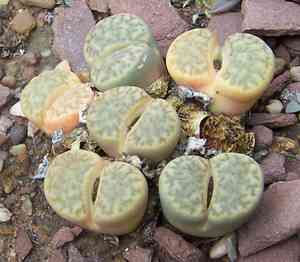
Hairy dewflower, a succulent species from South Africa, is recognized for its vivid flowers and downy leaves. The best times for trimming are from late winter to early spring, which stimulates development and eliminates deceased or injured stalks. Employing sanitized, keen implements for accurate cuts is essential, preferably severing at the foundation of undesirable stems. Consistent trimming aids hairy dewflower by preserving its form, fostering air movement, and boosting blooming, thus ensuring its health and visual appeal.
What Are the Benefits of Pruning Hairy Dewflower?
What Are the Benefits of Pruning Hairy Dewflower?
Trimming hairy dewflower promotes a sturdy framework and thick foliage, resulting in vigorous development. Strategic cuts help maintain the desired form, enhancing the plant's visual appeal.
What Is the Best Time for Pruning Hairy Dewflower?
What Is the Best Time for Pruning Hairy Dewflower?
Trimming hairy dewflower in late winter or early spring is beneficial as it occurs just before new growth commences. This timing ensures that pruning wounds heal quickly with the start of the new growth cycle, minimizing stress and disease risk. Early spring pruning also allows gardeners to remove any winter-damaged stems and shape the plant before it expends energy on new growth. This strategic timing aligns with hairy dewflower's growth cycle, encouraging robust development and blooming, as hairy dewflower typically flowers from late spring to summer. Pruning during late winter or early spring helps maintain plant health, fosters a strong structure, and improves the subsequent flowering season.
What Tools Do I Need to Prune Hairy Dewflower?
Hand Pruners
Suitable for cutting through hairy dewflower stems, which are not too thick for the blades. This ensures clean cuts without harming the plant.
Pruning Shears
Perfect for shaping and managing the spread of hairy dewflower. The small, sharp blades allow for precise snipping.
Gloves
Essential for protecting hands from hairy dewflower's rough texture and providing a better grip on pruning tools.
Shears Sharpener
Keeping blades sharp ensures cleaner cuts, reduces damage, and promotes healthier regrowth for hairy dewflower.
Cleaning Cloth and Alcohol
To wipe and sanitize blades after pruning hairy dewflower to prevent the spread of disease.
How to Prune Hairy Dewflower
Sanitize
Before beginning the pruning process, clean and sterilize all pruning tools to prevent the transmission of disease to hairy dewflower.
Trim Leaves
Carefully inspect hairy dewflower and remove any diseased or withered leaves by snipping them at the base with clean, sharp scissors or hand pruners.
Cut Branches
Identify dead or diseased branches on hairy dewflower and use bypass pruners to make clean cuts at the base of such branches, ensuring complete removal from the plant.
Shape Plant
After removing unhealthy plant parts, assess the overall shape of hairy dewflower and lightly trim any excessively long branches to maintain a compact and attractive form, avoiding excessive cutting to prevent shock.
Dispose
Discard all removed material such as diseased leaves and branches by burning them or placing them in a biohazard waste container to minimize the risk of disease spreading in the garden.
Common Pruning Mistakes with Hairy Dewflower
Using Dull Tools
Trimming hairy dewflower with dull or unclean tools can harm the stems, leading to disease and stunted growth.
Over-Pruning
Removing too much foliage from hairy dewflower at once can stress the plant, impeding its growth and flowering.
Improper Cuts
Making cuts too close to the main stem or leaving a large stub can hinder proper healing and attract pests or disease.
Neglecting Deadhead
Failing to remove spent flowers from hairy dewflower can result in wasted energy on seed production instead of new growth and blooms.
Ignoring Plant Shape
Pruning hairy dewflower without considering its natural form can lead to an unattractive plant and expose it to environmental stressors.
Common Pruning Tips for Hairy Dewflower
Sharp, Clean Tools
Always use sharp, clean shears or scissors to make precise cuts on hairy dewflower, reducing the risk of disease and injury to the plant.
Selective Pruning
Focus on removing dead or damaged branches to maintain hairy dewflower's health, and thin out dense areas to improve air circulation.
Cutting Technique
When cutting back hairy dewflower, make angled cuts above leaf nodes or branching points to encourage new growth.
Maintaining Plant Shape
Trim hairy dewflower in a way that enhances its natural form and boosts its overall appearance while promoting healthy growth patterns.
Conservative Approach
Adopt a less-is-more mindset with pruning hairy dewflower to avoid shock and ensure the plant can recover and continue to thrive.



