The Hairy dewflower Plant Advantage: Maximizing Home and Office Appeal and Wellness
1
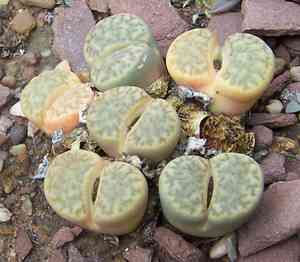
This botanical specimen is recognized for its vivid blossoms, capable of beautifying any outdoor space.
2
It serves as a superb, arid-resistant selection suitable for regions with low rainfall.
3
This adaptable flora demands little upkeep, rendering it ideal for individuals with limited time for gardening.
Why Select Hairy Dewflower for Your Garden?
Visual Appeal
A clear advantage of Hairy dewflower is its capacity to introduce vibrant hues to any garden. With its bright, shimmering blossoms spanning from pink and purple to yellow and white, this plant can create a stunning visual spectacle. The vivid colors not only enhance your garden's beauty but also draw in pollinators like bees and butterflies, fostering biodiversity.
Minimal Upkeep Needs
For those who prefer a garden requiring little attention, Hairy dewflower is an excellent option. This plant flourishes in poor soil and needs minimal watering once established, making it perfect for busy gardeners or those in areas with water restrictions. Furthermore, Hairy dewflower resists many common pests and diseases, reducing the need for chemical treatments and further lowering maintenance efforts.
How Does Hairy Dewflower Flourish in Arid Conditions?
Drought Resilience
Hairy dewflower is highly adapted to thrive in dry environments, a characteristic that makes it especially valuable in drought-prone regions. Its succulent leaves store water, enabling it to survive extended periods without rain. This hardiness not only conserves water but also makes Hairy dewflower an outstanding plant for xeriscapingâa landscaping approach focused on reducing irrigation needs.
Soil Versatility
This robust plant can adapt to various soil types, from sandy, well-draining soils to rocky terrain. Its strong root system helps stabilize the soil and prevent erosion, making it a practical choice for slopes or exposed areas in your garden. Moreover, Hairy dewflower's adaptability means it can be planted in pots, rock gardens, or even as ground cover, offering diverse design possibilities.
Can Hairy Dewflower Boost Pollination and Biodiversity?
Attracts Pollinators
The bright and colorful flowers of Hairy dewflower are more than just aesthetically pleasing; they play a vital role in attracting pollinators. Bees, butterflies, and other beneficial insects are drawn to the abundant nectar, which supports pollination and helps maintain a healthy ecosystem. By planting Hairy dewflower in your garden, you contribute to the preservation of these essential species and encourage a thriving pollinator community.
Supports Local Wildlife
Beyond pollinators, Hairy dewflower also provides shelter and food for various local wildlife. The dense foliage offers refuge for small insects and creatures, promoting a balanced and diverse garden ecosystem. This ecological benefit highlights the plant's value not just as an ornamental choice but as a contributor to ecological sustainability.
What Are the Best Practices for Cultivating Hairy Dewflower?
Optimal Growing Environment
Hairy dewflower thrives in full sun to partial shade, requiring at least six hours of direct sunlight for optimal growth. While it is drought-tolerant, it benefits from occasional watering during extended dry periods. Ensure your Hairy dewflower is planted in well-draining soil to prevent root rot, a common issue with succulents. A sandy or gravelly substrate is ideal for mimicking its natural habitat and promoting healthy growth.
Propagation Methods
Propagating Hairy dewflower is relatively simple and can be done using cuttings or seeds. Cuttings should be taken during the growing season and allowed to callus before planting in a well-draining mix. Seeds can be sown directly into the garden or started in trays, with germination typically occurring within two to four weeks. Regular monitoring and care during the initial growth stages will ensure successful establishment.
How Can Hairy Dewflower Be Integrated into Garden Design?
Rock Gardens and Xeriscapes
Due to its drought tolerance and striking appearance, Hairy dewflower is a popular choice for rock gardens and xeriscapes. Its ability to thrive in poor soil and its minimal water requirements make it suitable for these low-maintenance, water-efficient garden styles. Additionally, the plant's cascading growth habit makes it perfect for draping over rocks and ledges, adding a dynamic element to your garden design.
Container Cultivation
For gardeners with limited space, Hairy dewflower can be effectively grown in containers. Choose pots with good drainage and use a cactus or succulent potting mix to ensure optimal soil conditions. Container planting allows you to move the plant as needed to ensure it gets adequate sunlight and protection from harsh weather. It also provides an opportunity to create stunning displays on patios, balconies, or other small garden spaces.



