How to Prune Tundra shootingstar?
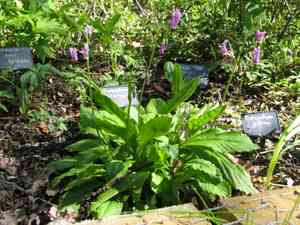
Recognized for its vivid blossoms, tundra shootingstar thrives with trimming in early spring or late winter. Initiate by eliminating deceased or compromised stalks to foster robust development. Cut back sprawling or spindly sections to preserve its shape and stimulate flowering. Strategic pruning guarantees tundra shootingstar revitalizes efficiently and improves air movement. Exercise caution against excessive trimming, ensuring sufficient foliage for light conversion.
What Are the Benefits of Pruning Tundra Shootingstar?
What Are the Benefits of Pruning Tundra Shootingstar?
Tundra shootingstar thrives with pruning, which promotes robust development and maintains its form. Trimming eliminates dead or damaged sections, fostering healthier foliage. Furthermore, it aids in controlling pest infestations and diseases, ensuring a strong, well-shaped plant.
What Is the Best Time for Pruning Tundra Shootingstar?
What Is the Best Time for Pruning Tundra Shootingstar?
Pruning or trimming tundra shootingstar in early spring or late winter is optimal, allowing the plant to recover before its active growth phase. During these periods, tundra shootingstar is typically dormant or just beginning to emerge, which minimizes plant stress and disease risk. Trimming at this time also encourages vigorous new growth and abundant flowering. Additionally, pruning in early spring or late winter ensures tundra shootingstar can direct its energy into developing stronger, more resilient shoots and leaves, rather than sustaining old or damaged foliage.
What Tools Do I Need to Prune Tundra Shootingstar?
Bypass Pruners
Perfect for clean cuts on living stems and branches, reducing plant stress and preventing illness.
Hand Pruners
Essential for precise trimming of smaller stems and leaves, ensuring meticulous care.
Pruning Shears
Useful for cutting back larger stems and assisting in the overall shaping of tundra shootingstar.
Sterilizing Solution
Crucial for sanitizing tools before and after pruning to prevent pathogen spread.
How to Prune Tundra Shootingstar
Diagnose
Thoroughly examine the plant to identify any diseased or withered leaves. Be sure to assess the extent of damage by checking both the upper and lower surfaces of the leaves.
Sanitize
Before pruning, sterilize your cutting tools with a solution of one part bleach to nine parts water to prevent disease transmission. This ensures a clean cut and reduces the risk of further infection.
Remove diseased leaves
Carefully cut away any diseased leaves close to the base of the leaf stem. Properly dispose of the removed leaves to prevent contamination of the surrounding soil.
Remove withered leaves
Trim away withered leaves by cutting them at the point where they connect to the main stem. This redirects the plant's energy towards healthy development.
Monitor and maintain
Continue to regularly check for any new signs of disease or wilting. Repeat the pruning process as necessary, ensuring the plant remains healthy and vigorous.
Common Pruning Mistakes with Tundra Shootingstar
Over-pruning
Excessive pruning can stress tundra shootingstar, potentially diminishing its vigor and flowering capacity. Avoid removing too much foliage or cutting back too many stems at once.
Incorrect Technique
Using dull or unsuitable tools can harm the plant, leading to poor healing and increased vulnerability to disease. Ensure tools are sharp and clean.
Ignoring Sanitation
Failing to clean tools between cuts, especially when dealing with diseased parts, can spread infections. Always sterilize your pruning tools before and after use.
Pruning Healthy Growth
Removing healthy leaves and stems unnecessarily can impede tundra shootingstar's growth and flowering potential. Focus on removing dead, damaged, or diseased parts instead.
Improper Cuts
Making rough, jagged, or cuts too close to the node can result in poor wound healing. Prune just above a node or bud, at a slight angle, to promote healthy regrowth.
Common Pruning Tips for Tundra Shootingstar
Use Sharp Tools
Always use sharp, clean pruning shears or scissors to make precise cuts, which aid in faster plant healing and reduce disease risk.
Remove Dead Material
Focus on removing dead, damaged, or diseased stems and leaves. This will encourage healthy growth and air circulation within the plant.
Prune Lightly
Prune sparingly to maintain the plant's natural shape. Light pruning helps to stimulate healthy growth without causing undue stress.
Encourage Airflow
To prevent fungal diseases, ensure good airflow by thinning out dense areas but be cautious not to over-prune.
Observe the Plant
Regularly inspect tundra shootingstar for any signs of damage or disease. Prompt removal of these parts can help maintain plant health.



