How to Propagate Tundra shootingstar?
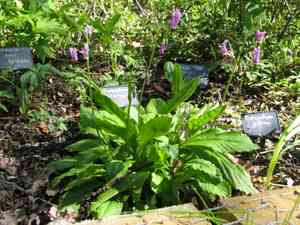
Dodecatheon frigidum is a perennial herb distinguished by its vivid, star-like blossoms, flourishing in high-altitude and frigid northern regions. To propagate through seeding, employ a porous, sandy soil blend and sustain uniform hydration. The seeds require a period of chilling to initiate germination. Provide an ideal setting with ample air movement and diffused illumination to encourage vigorous seedling development, ensuring strong root formation prior to relocation.
What Is the Best Time To Propagate Tundra Shootingstar?
Propagation Type
Seeding
Propagation Season
Spring
What Tools Are Used in Tundra Shootingstar Propagation?
Seed Tray
Seed trays are crucial for initiating small seeds like those of tundra shootingstar. They offer a controlled setting that aids germination. Utilizing trays allows for improved moisture oversight and prevents overcrowding.
Small Dibber
A small dibber is helpful for creating precise holes in the soil for planting tundra shootingstar seeds. This guarantees seeds are sown at the correct depth, which is vital for successful germination.
Fine Mist Spray Bottle
A fine mist spray bottle is perfect for watering the delicate tundra shootingstar seeds without dislodging them. It ensures consistent hydration without waterlogging, which is important for preventing fungal issues.
Grow Lights
Grow lights provide sufficient illumination for seedling development, especially if natural light is inadequate. They help maintain a consistent light cycle, promoting healthy growth of tundra shootingstar seedlings.
Humidity Dome
A humidity dome helps maintain the moisture and warmth required for tundra shootingstar seeds to germinate effectively. It also protects seeds from drying out, which is critical during the initial propagation stages.
Sterile Potting Mix
Using a sterile potting mix prevents the introduction of pathogens that could harm tundra shootingstar seeds or seedlings. This soil type ensures good drainage and aeration, essential for healthy root development.
Seedling Heat Mat
A seedling heat mat provides consistent bottom warmth, which can assist in the germination of tundra shootingstar seeds. Maintaining optimal soil temperature accelerates germination and promotes uniform sprouting.
How to Propagate Tundra Shootingstar?
Propagation Type
Simple
How to Care for Your Newly Propagated Tundra Shootingstar?
How to Care for Your Newly Propagated Tundra Shootingstar?
After propagating tundra shootingstar, ensure young plants receive filtered sunlight and maintain consistent soil moisture. Tundra shootingstar prefers cool conditions, so avoid excessive heat. Provide a well-draining soil mix to prevent root rot and monitor for pests or diseases. Gradually acclimate plants to outdoor conditions if started indoors. With proper care, tundra shootingstar will flourish and eventually produce its characteristic star-like blooms.
Common Mistakes to Avoid When Propagating Tundra Shootingstar
Overwatering
Excessive water can lead to root rot as tundra shootingstar is sensitive to too much moisture. This can hinder the plant's growth or even kill it.
Poor Soil Drainage
Using soil that retains water can result in root diseases. Proper drainage is crucial to prevent waterlogging.
Incorrect Soil Composition
Not considering the soil's pH and nutrient content can lead to poor plant health. Tundra shootingstar prefers slightly acidic to neutral soil and can be sensitive to nutrient imbalances.
Temperature Stress
Exposing tundra shootingstar to extreme temperatures, especially during early growth stages, can impede its development and cause plant failure.
Insufficient Light
Placing tundra shootingstar in areas with too little sunlight can result in weak and leggy growth, affecting its overall health and appearance.
Ignoring Pest and Disease Control
Failing to monitor and manage pests or diseases can lead to significant damage and reduced propagation success.
Tips For Propagating Tundra Shootingstar
Well-Draining Soil
Use soil with good drainage to prevent waterlogging and root rot. A mix of sandy loam with organic matter works well.
Appropriate Watering
Water moderately, ensuring the soil stays moist but not soggy. Allow the top layer of soil to dry out between waterings.
Suitable Soil pH
Ensure the soil pH is slightly acidic to neutral (around 6.0-7.0) for optimal growth. Adjust the pH using soil amendments if necessary.
Temperature Control
Maintain a stable temperature that's within the ideal range for tundra shootingstar. Protect it from extreme weather conditions, especially frosts or excessive heat.
Adequate Light
Place tundra shootingstar in a location where it can receive plenty of indirect sunlight. Avoid direct harsh sunlight that could scorch the leaves.
Pest and Disease Management
Regularly check for signs of pests and diseases. Use appropriate organic or chemical treatments to manage any issues promptly.



