How to Prune Narrowleaf silverbush?
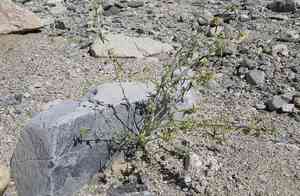
The perennial shrub, Narrowleaf silverbush, recognized for its delicate leaves, benefits greatly from strategic trimming to eliminate deceased or compromised limbs and preserve its form. This trimming should be carried out in the spring, summer, or autumn to foster robust development and air circulation. It is essential for the health of Narrowleaf silverbush that all cuts are precise and angled to deter illness. Such maintenance encourages more abundant foliage and can improve flowering in varieties that bloom.
What Are the Benefits of Pruning Narrowleaf Silverbush?
What Are the Benefits of Pruning Narrowleaf Silverbush?
Trimming narrowleaf silverbush promotes robust development and maintains its desired shape. By selectively removing portions, it fosters a strong framework, enhancing air circulation and light penetration, which are vital for the plant's health and vigor.
What Is the Best Time for Pruning Narrowleaf Silverbush?
What Is the Best Time for Pruning Narrowleaf Silverbush?
Pruning or trimming narrowleaf silverbush is optimally performed in Spring or early Fall to align with its growth and dormancy cycles. Spring pruning stimulates new growth by eliminating old or dead branches after the risk of frost has passed, allowing energy to be directed into producing new shoots and leaves. Early Fall pruning, following the flowering period, can be beneficial for shaping the plant and removing any parts that suffered during the hot summer months. However, avoid extensive pruning late in the Fall as new growth might not adequately harden off before colder temperatures. This timing also ensures the plant sustains its health and vitality, and prepares it to optimally endure the dormant winter period.
What Tools Do I Need to Prune Narrowleaf Silverbush?
Hand Pruners
Perfect for cutting through stems and small branches of narrowleaf silverbush, hand pruners ensure precise cuts without over-stressing the plant. Choose bypass pruners for clean cuts that encourage healthy regrowth.
Pruning Saws
For any larger, woodier stems that narrowleaf silverbush might develop, a pruning saw is essential. Its sharp teeth facilitate cutting through thicker material without harming the plant's structure.
Pruning Shears
Ideal for shaping narrowleaf silverbush and managing its size, pruning shears offer greater control for detailed tasks.
Lopping Shears
If narrowleaf silverbush has developed thicker branches that hand pruners cannot manage, lopping shears, with their extended handles, provide the necessary leverage for tougher cuts.
Gloves
Though not a cutting tool, gloves protect the gardener's hands from thorns or rough plant material when pruning narrowleaf silverbush.
How to Prune Narrowleaf Silverbush
Sanitize tools
Before beginning, disinfect your pruning tools with a solution of one part bleach to nine parts water to prevent the spread of disease to narrowleaf silverbush.
Remove diseased parts
Carefully remove any diseased leaves and branches from narrowleaf silverbush, cutting them at the base where they meet healthy tissue.
Trim withered elements
Trim away withered leaves and dead branches to maintain the plant's appearance and encourage healthy growth, making cuts at a 45-degree angle to allow for water runoff and prevent rot.
Thin out
Thin out the plant to improve air circulation. Remove some of the inner branches and leaves of narrowleaf silverbush if they are too dense, focusing on those that are crossing or rubbing against each other.
Clean up
Collect and dispose of all removed parts appropriately to prevent the potential spread of disease back to narrowleaf silverbush or to other plants.
Common Pruning Mistakes with Narrowleaf Silverbush
Overpruning
Removing too much foliage which may stress narrowleaf silverbush and reduce its vigor.
Improper cut placement
Making cuts too close to the main stem can damage the plant, while leaving too long a stub can encourage disease.
Unsterilized tools
Using unsterilized pruning tools can spread pathogens to narrowleaf silverbush.
Tearing limb
Roughly pulling or tearing branches instead of cutting can create wounds that are susceptible to disease and pest infestation.
Neglecting deadwood
Failing to remove dead or diseased branches can hinder narrowleaf silverbush's growth and leave it vulnerable to further infection.
Common Pruning Tips for Narrowleaf Silverbush
Clean cuts
Make clean, diagonal cuts just above leaf nodes to promote healthy regrowth.
Sterilization
Sterilize pruning tools before and after use to prevent the spread of disease among plants.
Moderation
Prune moderately, ensuring not to remove more than one-third of narrowleaf silverbush's overall foliage at a time.
Deadwood focus
Regularly remove dead or diseased branches to maintain narrowleaf silverbush's health and aesthetics.
Rejuvenation pruning
Narrowleaf silverbush benefits from occasional rejuvenation pruning to renew its structure and promote vigorous growth.



