The Narrowleaf silverbush Plant Advantage: Maximizing Home and Office Appeal and Wellness
1
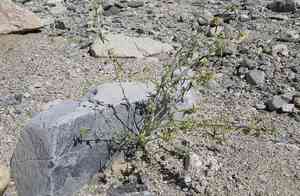
Narrowleaf silverbush flourishes in dry climates, making it a robust plant for regions susceptible to drought.
2
This plant possesses a remarkable capacity to draw in helpful insects, fostering local ecological diversity.
3
Narrowleaf silverbush provides visual appeal with its distinctive leaves, aiding in landscape beautification.
Why is Narrowleaf silverbush a Robust Option for Your Garden?
Flourishing in Dry Climates
A key attribute of Narrowleaf silverbush is its capacity to thrive in arid and semi-arid regions. This hardiness makes it an excellent selection for areas experiencing low precipitation or drought. Its deep root system efficiently accesses underground moisture, ensuring its survival and aiding in soil stability.
Minimal Upkeep Requirements
Another advantage of Narrowleaf silverbush is its low maintenance. Gardeners aiming to lessen their workload will find this plant especially attractive. It needs little watering once established and resists many common pests and diseases. This self-sufficiency not only conserves time and resources but also makes it an eco-conscious addition to any garden.
How Does Narrowleaf silverbush Contribute to Local Biodiversity?
Attracting Beneficial Insects
Narrowleaf silverbush plays a vital role in fostering local biodiversity by drawing in various beneficial insects. These insects, including pollinators like bees and butterflies, are essential for the health of numerous plant species. By offering a habitat and food source for these insects, Narrowleaf silverbush helps promote pollination and the overall well-being of your garden ecosystem.
Providing Wildlife Shelter
Beyond insects, Narrowleaf silverbush also offers refuge and nesting spots for various birds and small mammals. Its dense foliage and intricate structure provide ideal conditions for wildlife, contributing to a more vibrant and dynamic garden environment. This increased biodiversity can lead to more balanced ecosystems where natural pest control processes are enhanced.
Can Narrowleaf silverbush Improve Your Garden's Visual Appeal?
Distinctive Foliage and Visual Texture
Narrowleaf silverbush stands out in the garden with its slender, silver-toned leaves that create a striking visual texture. This unique look can complement other plantings, adding contrast and depth to your landscape design. Whether used as a focal point or as part of a mixed border, Narrowleaf silverbush enhances the visual charm of garden spaces with its characteristic appearance.
Versatile Landscaping Applications
The adaptability of Narrowleaf silverbush extends beyond its aesthetic appeal. It can be utilized in various landscaping applications, from groundcovers to decorative borders. Its tolerance for different soil types and exposure conditions means it can fit into a wide array of garden designs. Whether in a minimalist modern landscape or a lush, naturalized setting, Narrowleaf silverbush proves to be a valuable addition.
What Are the Environmental Advantages of Cultivating Narrowleaf silverbush?
Soil Stabilization and Erosion Prevention
Narrowleaf silverbush's extensive root system is not only crucial for its survival in harsh conditions but also plays a significant role in soil stabilization. By anchoring soil effectively, it helps prevent erosion, making it a valuable plant for areas prone to soil loss. This characteristic is particularly beneficial in sloped gardens or landscapes where soil integrity is a concern.
Supporting Sustainable Gardening Practices
The low-water and low-maintenance nature of Narrowleaf silverbush aligns perfectly with sustainable gardening practices. By reducing the need for irrigation and chemical interventions, it supports environmentally friendly gardening techniques. This sustainable aspect is increasingly important as gardeners seek to reduce their ecological footprint and contribute to environmental conservation.



