How to Prune Sixangle foldwing?
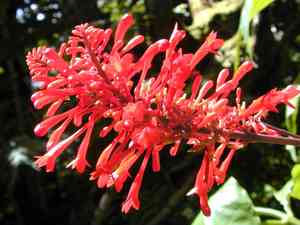
Sixangle foldwing is most easily recognized by its unique six-sided stalks and vivid blossoms. Perform pruning in late winter or early spring prior to the emergence of new shoots. Utilize sharp implements to eliminate deceased or compromised branches, and trim for contour, fostering more abundant development. Consistent trimming aids in preserving vitality and improving flowering. Exercise caution to avoid excessive pruning, which could diminish bloom production. This method encourages air movement, lessens the risk of illness, and guarantees a more robust plant.
What Are the Benefits of Pruning Sixangle Foldwing?
What Are the Benefits of Pruning Sixangle Foldwing?
Sixangle foldwing thrives with pruning, which encourages robust development and maintains its desired form. Pruning enhances air circulation, optimizes light penetration, and boosts resistance to pests and diseases, leading to a healthier, more attractive plant.
What Is the Best Time for Pruning Sixangle Foldwing?
What Is the Best Time for Pruning Sixangle Foldwing?
Trimming or cutting sixangle foldwing in early spring or late winter is optimal as these periods align with the plant's dormant stage and the start of its growth cycle. Pruning in late winter ensures the plant is not actively growing, thereby minimizing stress and potential harm. This timing also fosters more vigorous and healthy growth during the upcoming season. By pruning in early spring, gardeners can remove any dead or damaged branches accumulated over winter, stimulating new growth and better blooms. Performing this task before the active growing season also allows the plant to efficiently direct energy for robust development.
What Tools Do I Need to Prune Sixangle Foldwing?
Bypass Pruners
Ideal for making precise cuts on smaller branches and stems common to sixangle foldwing. Bypass pruners offer accuracy and reduce harm to living plant tissue.
Anvil Pruners
Useful for cutting through dead or thicker wood, which can occasionally be found on sixangle foldwing. They employ a sharp blade that closes onto a flat surface (the 'anvil') ensuring a firm cut.
Pruning Shears
Perfect for trimming the softer, new growth of sixangle foldwing. Pruning shears are versatile and can handle more delicate pruning tasks.
Loppers
Helpful for cutting through thicker branches that may develop on older specimens of sixangle foldwing. Loppers provide leverage and strength to cut through woodier stems.
Pruning Knife
A small, sharp knife can make precise cuts and is especially useful for shaping the plant and removing smaller growths or root shoots.
How to Prune Sixangle Foldwing
Inspect
Thoroughly check sixangle foldwing for any indications of diseased or withered foliage. Mark or mentally note areas needing trimming.
Sanitize
Before trimming, disinfect your pruning tools with a solution of one part bleach to nine parts water to prevent disease transmission.
Remove diseased leaves
Carefully snip off any diseased leaves close to the petiole's base using sanitized pruning shears. Dispose of these leaves away from the garden area to prevent disease spread.
Remove withered leaves
Trim away withered leaves at their base or where they connect to healthier plant sections. Ensure a clean cut to promote healing and regrowth.
Dispose and cleanup
Properly discard all trimmed materials and clean your pruning tools again. Remove any fallen leaves around sixangle foldwing to maintain a healthy growing environment.
Common Pruning Mistakes with Sixangle Foldwing
Over-pruning
Cutting back too much of the plant can stress sixangle foldwing, impede its growth, and lessen flowering.
Incorrect technique
Using dull or dirty tools can result in jagged cuts and heighten the risk of disease.
Pruning at the wrong time
Even without specifying seasons, pruning just before a growth phase can cause unnecessary stress and sap bleeding.
Common Pruning Tips for Sixangle Foldwing
Use sharp, clean tools
Ensure your pruning shears or scissors are sanitized and sharp to make clean cuts.
Remove dead or damaged stems
Focus on eliminating any dead, diseased, or damaged parts to encourage healthy growth.
Prune for shape and airflow
Trim back selectively to maintain an open form, which promotes airflow and reduces pest problems.
Cut at the right angle
Make your cuts at a 45-degree angle, just above a leaf node to ensure proper healing and growth.



