How to Propagate Sixangle foldwing?
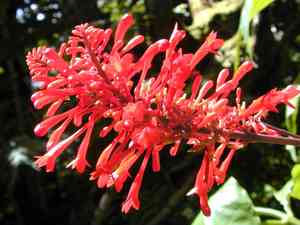
Sixangle foldwing is a tropical flora distinguished by its distinct six-sided stalks and cylindrical blossoms. To propagate, plant seeds in damp, adequately draining substrate, ensuring a warm environment. The growing medium should stay uniformly moist, yet not oversaturated, for peak development. Applying a rooting stimulant can improve outcomes. Customized attention to hydration, illumination, and substrate makeup is crucial for fostering the vigor and well-being of sixangle foldwing.
Optimal Period for Sixangle Foldwing Propagation?
Propagation Type
Sowing
Propagation Season
Spring
Tools for Sixangle Foldwing Propagation?
Seed Tray
A seed tray offers a controlled setting for planting sixangle foldwing seeds. It aids in space management, simplifies watering, and guards against environmental threats.
Seedling Heat Mat
A seedling heat mat ensures the ideal soil temperature, vital for sixangle foldwing germination. It accelerates sprouting by maintaining consistent warmth.
Humidity Dome
A humidity dome preserves moisture and establishes a suitable microclimate for sixangle foldwing during germination. It lessens the need for frequent watering and guarantees high humidity levels.
Fine-Mesh Sieve
A fine-mesh sieve is utilized to create a fine, loose seed starting mix for sixangle foldwing, enhancing seed-to-soil contact and thereby improving germination rates.
Mist Sprayer
A mist sprayer allows for gentle watering of sixangle foldwing without disturbing seeds or young plants. It helps maintain consistent humidity and prevents over-saturation.
Plant Labels
Plant labels assist in identifying and organizing various stages of sixangle foldwing propagation. Proper labeling ensures tracking of germination success and management of multiple plant trays.
Seed Compost
Utilizing a high-quality seed compost supplies essential nutrients and an appropriate growing medium for sixangle foldwing. It ensures optimal root development and seedling vigor.
Grow Lights
Grow lights deliver the necessary light spectrum crucial for sixangle foldwing growth. They extend daylight hours and ensure robust, healthy seedlings, especially in low-light conditions.
How to Propagate Sixangle Foldwing?
Propagation Type
Easy
Caring for Your Newly Propagated Sixangle Foldwing?
Caring for Your Newly Propagated Sixangle Foldwing?
Once seedlings have developed a few true leaves, carefully transplant them into larger containers or directly into the garden. Ensure they are planted in well-draining soil and continue to keep the soil consistently moist. Fertilize sparingly with a balanced, slow-release fertilizer to support healthy development. Provide partial to full sunlight and shield young plants from extreme temperatures and pests. Regularly check for signs of stress like yellowing leaves or wilting, which may indicate a need to adjust watering or light conditions.
Common Errors to Avoid When Propagating Sixangle Foldwing
Overwatering
Excessive moisture can lead to root rot, as sixangle foldwing prefers well-drained soil.
Poor Drainage
Using soil that retains too much water can suffocate roots, resulting in stunted growth or demise.
Inadequate Light
Placing sixangle foldwing in insufficient light conditions can impede its growth, as it thrives in partial to full sunlight.
Incorrect Cutting Technique
Using dull tools or making cuts in the wrong spot can harm the plant and reduce the success rate of cuttings.
Neglecting Humidity
Failing to maintain adequate humidity can cause cuttings to dry out and fail to root.
Advice for Propagating Sixangle Foldwing
Use Well-Draining Soil
Ensure soil mixes are light and drain well to prevent root rot.
Maintain Moderate Watering
Keep the soil slightly damp but not waterlogged to encourage healthy root development.
Provide Adequate Light
Place in a location with partial to full sunlight to support its growth.
Use Sharp, Sterile Tools
Ensure tools are sharp and clean to make precise cuts and minimize the risk of infection.
Maintain Humidity
Create a humid environment for cuttings, such as covering them with a plastic bag, to help them root successfully.



