How to Prune Sequier's pink?
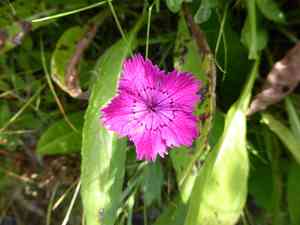
Distinguished by its vivid pink blossoms and herbaceous characteristics, sequier's pink thrives with consistent trimming. Removing faded flowers stimulates further blooming, and trimming back after the initial bloom cycle can foster denser growth and a subsequent flowering phase. Trimming can be performed throughout the entire year, ensuring caution is exercised to avoid severing woody stalks to prevent harm. Pruning not only preserves an appealing form but also boosts the plant's vitality and well-being.
What Are the Benefits of Pruning Sequier's Pink?
What Are the Benefits of Pruning Sequier's Pink?
Trimming encourages sequier's pink to produce more flowers, promoting a robust growth habit. It also aids in maintaining the desired form and size, ensuring sequier's pink looks optimal throughout its active growth period.
What Is the Best Time for Pruning Sequier's Pink?
What Is the Best Time for Pruning Sequier's Pink?
Pruning sequier's pink in late winter to early spring is optimal as it coincides with the end of dormancy and just before new growth begins. Trimming at this time allows sequier's pink to recover quickly and minimizes stress or harm to the plant. It supports plant health and encourages strong growth, leading to flowering during its natural bloom season. It's also easier to discern sequier's pink's structure without leaves, ensuring more precise cuts. Additionally, late winter pruning helps remove any dead or diseased wood before new growth starts, which can help prevent disease spread. Pruning outside this window can disrupt the plant's natural growth and flowering cycle and potentially stress sequier's pink, resulting in less vigorous growth or reduced blooming.
What Tools Do I Need to Prune Sequier's Pink?
Bypass Pruners
Perfect for making clean cuts on sequier's pink, minimizing damage to the plant's stems.
Gardening Shears
Useful for shaping sequier's pink by light trimming without harming delicate flowers or foliage.
Gloves
Protects the gardener's hands when handling sequier's pink and its occasional sharp edges.
Pruning Saw
Essential for removing any thick, mature stems of sequier's pink that bypass pruners cannot manage.
Disinfectant
Cleans tools before and after use to prevent the spread of diseases to sequier's pink.
How to Prune Sequier's Pink
Cleaning Tools
Before you begin, clean and sanitize your pruning tools to prevent disease transmission. Use a solution of 1 part bleach to 9 parts water to wipe down blades.
Remove Diseased Material
Carefully inspect sequier's pink and remove any diseased leaves or branches using clean, sharp pruning shears. Make cuts at the base of the affected area, being careful not to damage healthy tissue.
Trim Withered Elements
Trim away withered leaves and dead branches to promote healthy growth and air circulation. For withered leaves, cut close to the base without harming the main stem. Snip off dead branches at their point of origin.
Deadhead Flowers
Remove spent flowers by snipping the flower stem just above the first set of healthy leaves. This encourages new blooms and maintains the plant's aesthetic.
Disposal
Dispose of all diseased, dead, or withered plant material away from sequier's pink to reduce the risk of re-infection or pest infestations. Do not compost if the material was diseased.
Common Pruning Mistakes with Sequier's Pink
Overzealous Cutting
Removing too much foliage which can stress sequier's pink and hinder its ability to flourish.
Blunt Tool Use
Using dull pruning shears, which can cause jagged cuts and make sequier's pink more susceptible to disease.
Pruning Into Old Wood
Sequier's pink does not respond well to pruning into old, woody stems which can lead to poor regrowth.
Tearing Stems
Improper technique may cause the stems of sequier's pink to tear, leading to potential disease entry points.
Uniform Height Cutting
Cutting all stems to the same height ignores the natural shape of sequier's pink and may result in unnatural growth patterns.
Common Pruning Tips for Sequier's Pink
Clean Cuts
Use sharp pruning shears to make clean cuts on sequier's pink, which helps promote faster healing.
Selective Pruning
Carefully select the stems of sequier's pink to prune, focusing on promoting good air circulation within the plant.
Post Bloom Pruning
Prune spent flowers of sequier's pink to encourage a second flush of blooms and to prevent self-sowing if not desired.
Thin Out Center
Thin out the center of sequier's pink to improve light penetration and reduce the risk of fungal diseases.
Cut Above Leaf Nodes
Make cuts just above leaf nodes to stimulate healthy new growth on the remaining stems of sequier's pink.



