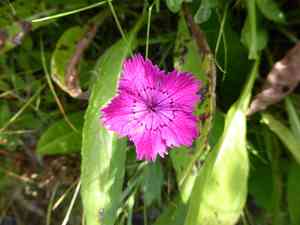
Sequier's pink (Dianthus seguieri)
Also known as: Sequier's pink, Wild carnation
**Sequier's pink** is a striking evergreen perennial plant that thrives on rocky slopes and shaded banks at higher altitudes. This frost-tolerant plant, named after the French botanist Jean-François Séquier, is celebrated for its profusion of pink flowers, which are excellent for floral arrangements.
In This Article
Attributes of Sequier's pink
Lifespan
Perennial
Plant Type
Herb
Plant Height
25 cm to 60 cm
Spread
15 cm to 30 cm
Leaf Color
Grey-green
Flower Size
1.7 cm to 2 cm
Flower Color
Purple Pink
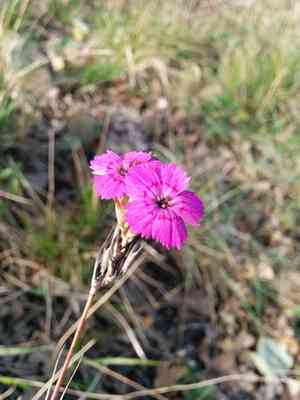
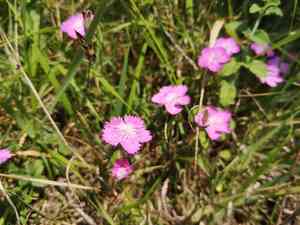
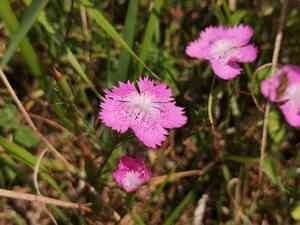
Images of Sequier's pink
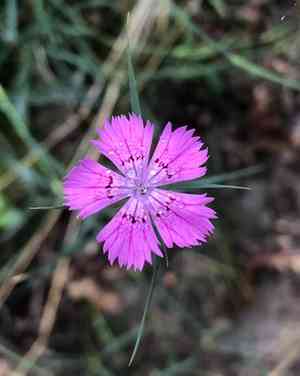
Quickly Identify Sequier's pink
1
Dianthus seguieri can be identified by its slender stems, linear to lanceolate grey-green leaves, and its distinctive pink to purple fringed flowers. The petals are usually notched or fringed, adding to their delicate appearance. The plant often forms clumps and grows upright.
Scientific Classification of Sequier's pink
Phylum
Vascular plants
Class
Dicotyledons
Order
Caryophyllales
Family
Pink
Genus
Dianthus
Species
Sequier's pink
Planting and Growing of Sequier's pink
Care Difficulty
Easy
Watering Schedule
Every 4 days
Sunlight Requirements
Full sun
Sunshine Duration
6-10 hours
Ideal Temperature
60-75℉
Soil Type
Potting Mix, Peat Mix
Soil pH
6.5-7.5
Fertilizer Type
Balanced
Pruning Season
Spring, Summer
Pruning Area
Branches, Leaves
Pruning Frequency
2 times a year
Repotting Season
Spring
Pot Type
Plastic, Ceramic
 How to Water Sequier's pink?
When watering Dianthus seguieri, it is essential to ensure that the soil is evenly moist but not waterlogged. This plant prefers a moderate water supply, so about 250 milliliters should suffice, enough to moisten the root zone without causing excess water to remain in the ground.
What are the symptoms of an underwatered Sequier's pink?
›
What should I do if my Sequier's pink is not getting enough water?
›
What are the symptoms of an overwatered Sequier's pink?
›
How to save an overwatered Sequier's pink?
›
 What Are the Sunlight Requirements for Sequier's pink?
Dianthus seguieri benefits most from full sun to partial sun exposure. Sufficient light ensures vigorous growth and vibrant floral displays, optimizing both aesthetic and health aspects of the plant.
More About Sunlight Requirements Techniques→
What is the best location for placement?
›
How to ensure consistent sunlight exposure?
›
What benefits arise from ideal sun exposure?
›
 What Is the Ideal Temperature Range for Sequier's pink?
Dianthus seguieri thrives best within a temperature range of 60°F to 75°F. This range allows the plant to efficiently carry out photosynthesis and other metabolic processes, ensuring healthy growth and vibrant blooms. The roots and foliage experience reduced stress within these temperatures, allowing for optimal nutrient absorption and water uptake.
 What Soil is Best for Sequier's pink?
Dianthus seguieri thrives in well-drained soil that prevents waterlogging. Ensuring good drainage allows the roots to breathe, reducing the risk of root rot. This promotes healthier plant growth and blossoms. This plant prefers soil with moderate fertility. Too much nutrient can lead to lush foliage at the detriment of blooms. A balanced nutrient level ensures robust growth and a stunning floral display. Dianthus seguieri benefits from slightly alkaline soil, as it enhances nutrient availability. An appropriate pH level ensures optimal nutrient uptake, leading to healthier and more vigorous plants.
 How to Fertilize Sequier's pink?
For Dianthus seguieri, a modest approach to fertilization is key. On average, use a balanced liquid fertilizer diluted to half strength. This ensures sufficient nutrition while avoiding over-fertilization. Approximately 1 tablespoon per gallon of water works optimally for this plant.
 How to Prune Sequier's pink?
Start by using clean, sharp scissors or garden shears. Trim back spent blooms just above a pair of healthy leaves to encourage new flowers. Remove any dead or damaged stems to promote healthy growth. Always prune to shape the plant, maintaining its natural appearance. Remove faded or dead flowers regularly during the blooming season. This process not only enhances the plant’s appearance but also encourages the growth of fresh blooms, ensuring a prolonged flowering period.
More About Pruning Techniques→
 How to Propagate Sequier's pink plant?
1
Use a well-draining soil mix for planting seeds or cuttings. Add perlite or vermiculite to increase aeration. Ensure the soil is moist but not waterlogged before beginning the propagation process.
2
Sow the seeds on the surface of the prepared soil, pressing them lightly to ensure good soil contact. Do not cover the seeds with soil as they require light for germination. Water gently to avoid displacing the seeds.
3
Select healthy shoots from the plant and take cuttings about 4-6 inches long. Remove the lower leaves and dip the cut end in rooting hormone to enhance root development before planting in the prepared soil.
 How to Repot Sequier's pink plant?
1
You know it's time to repot your Dianthus seguieri when you see roots protruding from the drainage holes or the plant appears to be growing more slowly. Spring or autumn are ideal when temperatures are moderate, minimizing plant stress during the transition.
2
Opt for a pot that is slightly larger than the current one but not overwhelmingly so. This ensures the plant uses its energy efficiently in growing new foliage rather than just expanding its root system. Good drainage holes are crucial to prevent waterlogging.
3
Choose a well-draining sandy loam soil mixed with some organic matter. This provides adequate nutrients while preventing the root system from sitting in overly wet conditions, which could lead to root rot.
Learn More About Sequier's pink Diseases
Anthracnose
Bacterial Leaf Spot
Bacterial Soft Rot
Bacterial Wilt
Black Spot
Chemical Injury
Crown Gall
Cyst Nematode
Damping-off
Downy Mildew
Drought Stress
Fusarium Wilt
Gray Mold
Leaf Spot
Mosaic
Nutrient Deficiency
Nutrient Toxicity
Powdery Mildew
Root Rot
Root-knot Nematode
Rusts
Sooty Mold
Spider Mites
Temperature Stress
Thrips Damage
White Mold



