How to Propagate Sequier's pink?
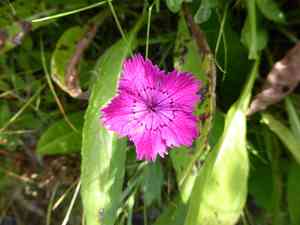
A member of a botanical group celebrated for its vivid flowers and varied cultivation patterns, sequier's pink is multiplied via cuttings. Cultivators ought to choose robust stems for propagation to foster effective root formation. A substrate that drains efficiently, steady hydration, and consistent warmth promote swift development. Offering delicate attention during the initial phases of growth guarantees strong plants prepared to beautify any horticultural area.
What Is the Best Time To Propagate Sequier's Pink?
Propagation Type
Cutting
Propagation Season
Spring,Summer
What Tools Are Used in Sequier's Pink Propagation?
Sharp Pruning Shears
Crucial for making clean, precise cuts on sequier's pink, sharp pruning shears help minimize harm to both the parent plant and the cutting. Accurate cuts boost rooting success by preventing tissue crushing, which can lead to infections and poor root growth.
Rooting Hormone
This chemical compound encourages root development from sequier's pink cuttings. Applying rooting hormone to the cut end accelerates the rooting process, increasing overall propagation success. It's especially helpful given the delicate nature of sequier's pink's stems and roots.
Sterile Potting Mix
A sterile, well-draining potting mix offers sequier's pink cuttings an ideal environment for root growth. Sterility prevents pathogen transfer that could harm young, vulnerable cuttings. A mix with perlite or vermiculite helps maintain proper air and moisture balance.
Humidity Dome
Maintaining high humidity around sequier's pink cuttings is vital for survival before roots form. A humidity dome or plastic cover creates a microenvironment that retains moisture, preventing cuttings from drying out and improving survival during critical initial rooting stages.
How to Propagate Sequier's Pink?
Propagation Type
Easy
How to Care for Your Newly Propagated Sequier's Pink?
How to Care for Your Newly Propagated Sequier's Pink?
Once roots are established, gradually introduce sequier's pink to lower humidity by removing the cover. Water when the topsoil feels dry, avoiding overwatering. When new growth appears, treat it as a mature sequier's pink, providing full sun and regular feeding during the growing season. Prevent over-fertilization and ensure good drainage to avoid root rot.
Common Mistakes to Avoid When Propagating Sequier's Pink
Overwatering
Too much moisture can cause root rot and fungal diseases, harming sequier's pink's health and hindering root development.
Too deep planting
Burying cuttings or seeds too deeply can impede germination and root access to vital oxygen, potentially suffocating sequier's pink.
Neglecting humidity
Ignoring the need for a moist environment can lead to sequier's pink cuttings drying out, preventing successful root formation.
Using non-sterile tools
Propagating with unclean tools can introduce pathogens, risking infection and poor growth in sequier's pink.
Ignoring disease signs
Failing to spot disease indicators, like discoloration or wilting, can allow problems to spread and reduce sequier's pink's propagation success.
Tips For Propagating Sequier's Pink
Moderate watering
Providing consistent moisture without excess ensures the soil is adequately damp for sequier's pink cuttings to root without fungal disease risk.
Shallow planting
Sowing seeds or placing cuttings just below the soil surface promotes better germination and rooting for sequier's pink, allowing sufficient light and air contact.
Maintain humidity
Creating a humid microclimate, such as with a clear plastic cover, helps prevent sequier's pink cuttings from drying out, encouraging root development.
Sterilize equipment
Using sanitized tools for cutting and planting prevents disease transfer, ensuring a healthy start for sequier's pink's propagation.
Monitor plant health
Regularly checking for and addressing signs of stress in sequier's pink allows for early intervention to curb disease spread and ensure optimal growth conditions.



