How to Prune Salparni?
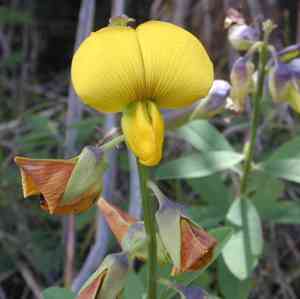
Salparni, a valued leguminous herb known for its therapeutic qualities, thrives with judicious trimming to foster vigorous development. Perform pruning in late winter or early spring, while the plant is dormant, to ensure strong foliage. Remove any lifeless or frail stalks and faded blossoms to encourage the emergence of new shoots. Consistent trimming aids in preserving its form and enhances air circulation, thereby lowering the likelihood of illness. Furthermore, pruning elevates the medicinal output by stimulating the creation of beneficial compounds within newer growths.
What Are the Advantages of Trimming Salparni?
What Are the Advantages of Trimming Salparni?
Trimming salparni fosters robust development by eliminating lifeless or weak stems, promoting fresh growth. Regular cutting maintains a compact shape, crucial for the plant's appearance and well-being.
When Is the Optimal Time for Trimming Salparni?
When Is the Optimal Time for Trimming Salparni?
Trimming salparni during late winter allows for the removal of any damaged or dead foliage before the start of the growing season, which typically begins in spring. This timing ensures that salparni can direct its energy towards new growth instead of supporting non-viable branches. Additionally, trimming in early spring aids in shaping the plant and encouraging a more robust structure as it enters its active growth phase. Cutting salparni during these periods also minimizes the risk of transmitting diseases and pests, which are less active in cooler weather. It is crucial to avoid trimming salparni in late spring or summer because this could remove potential flower buds, thereby reducing the plant's blooming potential. By trimming in the recommended seasons, gardeners can enhance the overall health and aesthetic appeal of salparni without sacrificing its flowering or fruiting capabilities.
What Tools Are Necessary to Trim Salparni?
Hand Pruners
Perfect for making clean cuts on the green, living stems of salparni without harming the plant. Hand pruners offer precision and should be used for most basic trimming tasks. Ensure they are sharp and clean to prevent disease transmission.
Pruning Saw
Recommended for cutting through thicker, woody stems that exceed half an inch in diameter. A pruning saw helps to make clean cuts on salparni's mature branches without causing undue stress or damage to the plant.
Gloves
Wearing gloves is essential to safeguard hands from scratches and potential skin irritants while trimming salparni.
Loppers
Useful for reaching stems that are difficult to access with hand pruners. Loppers provide extra leverage needed for cutting slightly thicker branches, typically up to 1 1/2 inches in diameter.
How to Trim Salparni
Clean tools
Before trimming salparni, ensure all cutting implements such as pruners or shears are thoroughly cleaned and sterilized to prevent the spread of disease.
Remove diseased
Carefully inspect salparni for disease by checking for discolored, distorted, or unusually spotted leaves and branches. Use clean cuts to remove all diseased leaves and branches from the plant.
Cut withered
Identify and snip off all withered leaves from salparni. These are typically dry, brown, and crumbled. Make angled cuts to encourage healthy regrowth without damaging the main stem or nearby healthy leaves.
Prune dead branches
Trim away dead branches from salparni by cutting at the base where they meet live growth. Ensure cuts are smooth to promote healing and to prevent future decay at the cut site.
Shape plant
Once all unhealthy parts are removed, lightly shape salparni by trimming overgrown or out-of-place branches to maintain a desirable plant size and to encourage a well-ventilated structure that helps reduce humidity-related diseases.
Common Trimming Errors with Salparni
Over-trimming
Removing too much growth can stress salparni and diminish its vigor. Gardeners should avoid cutting back more than one-third of the plant's overall size at one time.
Incorrect cut locations
Cuts made too far from a bud can result in dead stubs, while cuts too close can harm the bud. Ensure cuts are made at a 45-degree angle just above outward-facing buds.
Tearing bark
Using dull tools or improper cutting technique can lead to tearing the bark, which can harm salparni's health. Always use sharp, clean trimming tools.
Neglecting tool hygiene
Not sterilizing tools between uses can spread disease between plants. Disinfect trimming tools before moving from one plant to another.
Uneven growth
Failure to evenly trim salparni can result in asymmetric growth and reduced aesthetic appeal. Aim for balanced trimming throughout the plant.
General Trimming Advice for Salparni
Identify growth points
Focus on cutting back to healthy outward-facing buds or growth points to encourage salparni to grow in a desirable shape and direction.
Promote air flow
Thin out dense areas to improve air circulation, reducing the risk of fungal diseases and encouraging healthy growth in salparni.
Encourage flowering
Trimming should stimulate salparni to produce more flowers. Regularly remove spent blooms and trim lightly to invigorate the plant.
Support regeneration
Light trimming of older stems can stimulate new growth and rejuvenation in salparni, keeping the plant vigorous.
Maintain plant health
Remove dead, damaged, or diseased wood promptly to maintain the overall health of salparni and prevent issues from spreading.



