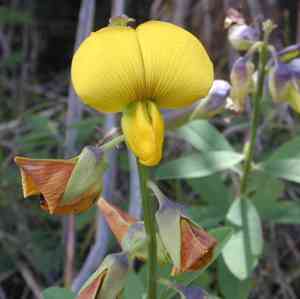
Salparni (Desmodium gangeticum)
Also known as: Sal Leaved Desmodium, Desmodium, Tick Clover
Salparni (Desmodium gangeticum) is a tropical herb commonly found in wild, tropical environments. Its seeds are primarily dispersed through adhesive seed pods that attach to animals and humans as they pass by. These pods can cling to fur, skin, or clothing, helping the seeds travel to new locations. Additionally, the plant is pollinated by insects like bees, and grazing cattle can also contribute to its seed distribution.
In This Article
Attributes of Salparni
Lifespan
Perennial
Plant Type
Shrub
Plant Height
61 cm to 1.2 m
Spread
Not applicable
Leaf Color
Green
Flower Size
10 cm to 30 cm
Flower Color
White Purple
Images of Salparni
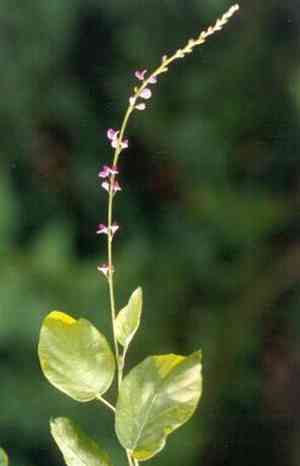
Quickly Identify Salparni
1
To identify Desmodium gangeticum, look for a small, bushy herb with trifoliate leaves. The leaves are lanceolate-ovate, and the plant produces small, pinkish or purplish flowers in racemes.
Scientific Classification of Salparni
Phylum
Vascular plants
Class
Dicotyledons
Order
Fabales
Family
Legume
Genus
Tick clover
Species
Salparni
Planting and Growing of Salparni
Care Difficulty
Easy
Watering Schedule
Every 4 days
Sunlight Requirements
Partial sun
Sunshine Duration
4-8 hours
Ideal Temperature
70-86℉
Soil Type
Potting Mix, Peat Mix
Soil pH
6.5-7.5
Fertilizer Type
Balanced
Pruning Season
Spring, Summer
Pruning Area
Branches, Leaves
Pruning Frequency
2 times a year
Repotting Season
Spring
Pot Type
Plastic, Terracotta
 How to Water Salparni?
Desmodium gangeticum prefers a moderately moist soil. Each watering should provide around 200 ml of water to keep the soil evenly moist without causing waterlogging. It is crucial to adjust the amount based on the plant's environment, ensuring the soil never feels soggy but slightly moist at all times.
What are the symptoms of an underwatered Salparni?
›
What should I do if my Salparni is not getting enough water?
›
What are the symptoms of an overwatered Salparni?
›
How to save an overwatered Salparni?
›
 What Are the Sunlight Requirements for Salparni?
Desmodium gangeticum thrives under partial sun, balancing growth and photosynthesis efficiently. This range encourages robust growth and enhances flowering potential.
What are the ideal lighting conditions?
›
How to achieve ideal lighting conditions?
›
Benefits of ideal lighting?
›
 What Is the Ideal Temperature Range for Salparni?
Desmodium gangeticum thrives best in temperatures ranging from 70°F to 86°F. This range provides the optimal conditions for photosynthesis, nutrient absorption, and overall plant vitality. Maintaining these temperatures ensures that the plant can grow and flourish without stress.
 What Soil is Best for Salparni?
Desmodium gangeticum thrives in well-drained soil to prevent waterlogging, which can lead to root rot. Proper drainage ensures healthy root growth and supports the plant’s ability to absorb nutrients effectively. A moderately fertile soil provides essential nutrients for Desmodium gangeticum without the risk of excessive growth or nutrient burn, fostering a balanced development of foliage and flowers. Incorporating organic matter into the soil enriches it with nutrients and enhances its structure, promoting strong health and resilience against diseases.
 How to Fertilize Salparni?
For Desmodium gangeticum, apply a balanced liquid fertilizer at a dilution of 1/4 strength to prevent root burn. When using slow-release granules, follow the package instructions and aim for around 2 grams per liter of potting mix.
 How to Prune Salparni?
Use clean, sharp pruning shears to avoid crushing the stems. Sterilize tools before starting to prevent the spread of disease. A pair of gardening gloves is recommended to protect your hands during the process. Focus major pruning efforts in the cooler, less stressful seasons of Spring and Autumn. Lighter trims during Summer can prevent stress on the plant, and keeping an eye on weather conditions ensures your plant recovers quickly.
More About Pruning Techniques→
 How to Propagate Salparni plant?
1
Before sowing, it's important to soak the seeds of Desmodium gangeticum in warm water overnight to break dormancy and enhance germination rates, as this mimics natural conditions that soften the seed coat.
2
Scatter the seeds evenly in a seed tray filled with sterile soil medium and cover them lightly; ensure consistent moisture by gently misting with water without waterlogging the soil, as proper moisture levels are key to successful germination.
3
Select healthy stems and cut segments about 6-8 inches long; remove lower leaves and dip the cut end into rooting hormone to facilitate better root development before planting in a suitable medium.
 How to Repot Salparni plant?
1
Repot Desmodium gangeticum when you notice roots coming out of the drainage holes or if the plant becomes root-bound. Signs like reduced growth and poor water absorption are indicators it's time to move to a larger pot.
2
Select a pot that is one size larger than the current one, with ample drainage holes to prevent waterlogging. The benefits include providing more space for root expansion and promoting healthier growth.
3
Use well-draining sandy loam soil, which ensures proper aeration and moisture balance. This type of soil mimics the plant's natural habitat, promoting healthier root development and reducing the risk of root rot.



