How to Prune Elegant tick clover?
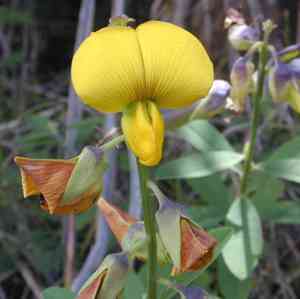
Recognized for its refined leaves and blooming characteristics, Desmodium elegans thrives with trimming to preserve its form and stimulate robust development. The most effective time for pruning is in early spring or throughout winter when the plant is inactive. Eliminate any lifeless or frail branches and reduce the plant's size by one-third to foster new flowers. This action can also encourage new leaves, improving the plant's general well-being and aesthetic. Adhering to the suggested pruning schedule prevents interference with the flowering period.
What Are the Benefits of Pruning Elegant Tick Clover?
What Are the Benefits of Pruning Elegant Tick Clover?
Trimming elegant tick clover encourages more abundant flowering while helping to prevent pest infestations and illnesses by eliminating dead or weak sections, thereby preserving the plant's health and vigor.
What Is the Best Time for Pruning Elegant Tick Clover?
What Is the Best Time for Pruning Elegant Tick Clover?
Trimming elegant tick clover in early spring is advantageous as the plant emerges from dormancy, promoting vigorous development and ensuring a robust form and structure for the upcoming growing season. This timing aligns with elegant tick clover's growth cycle and enables gardeners to remove any dead or damaged areas affected by winter without hindering the plant's blooming potential. Winter pruning also offers benefits; it's a period when elegant tick clover is dormant, and there's less risk of disease transmission through pruning cuts due to fewer active pathogens. This season also provides clear visibility of the plant's structure without leaves, simplifying strategic cuts and fostering improved air circulation and sunlight penetration in the subsequent growth period.
What Tools Do I Need to Prune Elegant Tick Clover?
Hand Pruners
Perfect for making precise cuts on the slender stems of elegant tick clover, hand pruners, also known as secateurs, should be sharp and well-maintained to avoid harming the plant.
Pruning Shears
These are useful for shaping elegant tick clover and cutting back any overgrown sections. Bypass pruning shears, in particular, are recommended as they create clean cuts that encourage healthy regrowth.
Gloves
Wearing gloves will safeguard your hands from thorns and rough plant material while trimming elegant tick clover.
Garden Scissors
For more delicate, detailed tasks, such as thinning or shaping the foliage of elegant tick clover, garden scissors can offer precision and control.
How to Prune Elegant Tick Clover
Clean tools
Sanitize pruning shears or scissors with alcohol or a bleach solution to prevent the spread of disease during the trimming of elegant tick clover.
Remove diseased
Carefully remove diseased leaves and branches from elegant tick clover by cutting them at the base where they meet healthy tissue, ensuring not to damage the main stem.
Eliminate dead material
Cut away all dead branches and withered leaves to promote healthy growth and airflow in elegant tick clover. Make the cuts at a slight angle to prevent water accumulation that could lead to decay.
Trim withered flowers
Prune withered flowers of elegant tick clover to encourage more blooms, using a gentle pinching motion with your fingers or snip with pruning tools just below the flower head.
Control growth
Shape the elegant tick clover by trimming excessive growth branches to maintain its desired form and size. Make each cut just above a leaf node or lateral branch to promote branching where desired.
Common Pruning Mistakes with Elegant Tick Clover
Overpruning
A common error is removing too much foliage at once, which can shock elegant tick clover and hinder its development.
Improper technique
Using dull or dirty tools can damage elegant tick clover's stems, increasing susceptibility to diseases. Clean cuts are vital for the plant's recovery and continued health.
Ignoring health
Failing to remove diseased, dead, or damaged branches can lead to the spread of disease or pests within elegant tick clover, affecting overall vitality.
Neglecting shape
Pruning without considering the natural shape of elegant tick clover can result in an unbalanced appearance and harm the plant's structural integrity.
Inconsistent pruning
Irregular pruning can lead to erratic growth and flowering. Consistent care helps maintain elegant tick clover's health and aesthetics.
Common Pruning Tips for Elegant Tick Clover
Sharp tools
Utilize sharp, clean pruning shears or scissors to make precise cuts that will heal quickly and reduce stress on elegant tick clover.
Clean up
After trimming elegant tick clover, remove any fallen debris from around the base to prevent fungal growth and discourage pests.
Healthy growth
Focus on thinning out crowded areas to improve air circulation and light penetration, which encourages healthy growth and flowering in elegant tick clover.
Aesthetic balance
Prune elegant tick clover with its natural form in mind, maintaining an aesthetically pleasing shape while supporting its structural integrity.
Routine maintenance
Regularly inspect elegant tick clover for dead, damaged, or diseased growth and remove as needed to maintain plant health and prevent issues from spreading.



