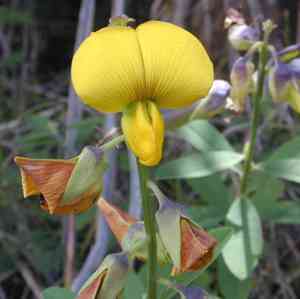
Elegant tick clover (Desmodium elegans)
Also known as: Elegant tick trefoil
Elegant tick clover (Desmodium elegans) is a sun-preferring, nitrogen-fixing plant often utilized as a border in gardens. This deciduous sub-shrub blooms strikingly in late summer to autumn, featuring curved bristles that easily cling to animal fur or clothing. Known for its ornamental appeal, this hardy perennial thrives in dry, sloped forest areas. Additionally, its wood serves as firewood, while the bark is useful for making paper and ropes.
In This Article
Attributes of Elegant tick clover
Lifespan
Perennial
Plant Type
Shrub
Plant Height
91 cm to 1.8 m
Spread
1.5 m
Leaf Color
Green
Flower Size
1-2 cm
Flower Color
White Purple Pink
Images of Elegant tick clover
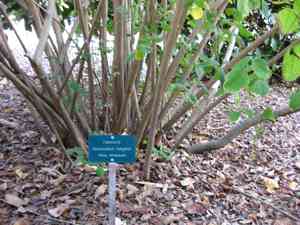
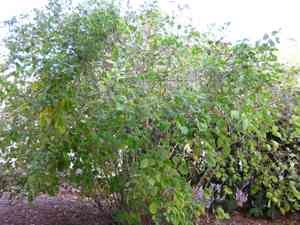
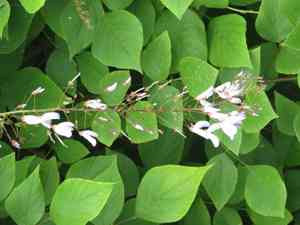
Quickly Identify Elegant tick clover
1
Identifying Desmodium elegans involves looking for its trifoliate leaves, small purple or pink flowers clustered on racemes, and seed pods that have a series of hooked bristles helping in seed dispersal.
Scientific Classification of Elegant tick clover
Phylum
Vascular plants
Class
Dicotyledons
Order
Fabales
Family
Legume
Genus
Tick clover
Species
Elegant tick clover
Planting and Growing of Elegant tick clover
Care Difficulty
Easy
Watering Schedule
Every 3 days
Sunlight Requirements
Partial sun
Sunshine Duration
4-8 hours
Ideal Temperature
60-75℉
Soil Type
Potting Mix, Peat Mix
Soil pH
6.5-7.5
Fertilizer Type
Balanced
Pruning Season
Spring, Summer
Pruning Area
Branches, Leaves
Pruning Frequency
2 times a year
Repotting Season
Spring
Pot Type
Plastic, Ceramic
 How to Water Elegant tick clover?
Desmodium elegans requires moderate watering, ensuring that the soil is kept consistently moist but not waterlogged. Each watering should adequately saturate the soil without leaving it soggy. Water until you see a little runoff from the drainage holes at the bottom of the pot, usually around 500 milliliters, depending on pot size.
What are the symptoms of an underwatered Elegant tick clover?
›
What should I do if my Elegant tick clover is not getting enough water?
›
What are the symptoms of an overwatered Elegant tick clover?
›
How to save an overwatered Elegant tick clover?
›
 What Are the Sunlight Requirements for Elegant tick clover?
Desmodium elegans prefers partial sun, which can be described as 4 to 6 hours of filtered or soft sunlight per day. This lighting encourages healthy leaves and optimal flowering, supporting better nutrient synthesis in the plant.
What type of sunlight is best?
›
How can you achieve ideal lighting?
›
What are the benefits of ideal lighting?
›
 What Is the Ideal Temperature Range for Elegant tick clover?
The ideal temperature range for growing Desmodium elegans is between 60°F and 75°F. Maintaining this range ensures optimal growth and health of the plant. Temperatures within this window help in proper physiological processes, including photosynthesis, nutrient uptake, and overall metabolism.
 What Soil is Best for Elegant tick clover?
Desmodium elegans thrives in well-drained soil that prevents waterlogging. This type of soil structure ensures adequate air circulation, preventing root rot and promoting healthy root development. This plant benefits from soil with moderate fertility which supplies essential nutrients without overwhelming the plant. Balanced nutrient levels foster robust growth and vibrant foliage. While drainage is crucial, the soil should also retain some moisture. This balance supports sustained hydration, particularly during dry spells, ensuring consistent growth and vitality.
 How to Fertilize Elegant tick clover?
For Desmodium elegans, it's essential to provide a balanced amount of nutrients. Typically, use a dilute liquid fertilizer at quarter strength every two weeks. Solid fertilizers should be used sparingly; apply approximately 50 grams per application thrice a year, avoiding excess.
 How to Prune Elegant tick clover?
Begin by identifying dead or damaged stems and cut them close to the base. Aim to open up the center of the plant to improve sunlight exposure and air circulation. Regular pruning every month keeps the plant in shape and encourages new growth. Trim back overgrown branches that spoil the shape of the plant. Always cut at an angle to encourage water runoff and prevent disease. Consistent pruning helps maintain a neat form and directs energy to healthier parts.
More About Pruning Techniques→
 How to Propagate Elegant tick clover plant?
1
To collect seeds, wait for the seed pods to mature and dry on the plant. Harvest them carefully and store them in a cool, dry place until you're ready to plant.
2
Choose healthy, non-flowering stems and use pruning shears to cut them just below a node. Remove the leaves from the lower half before planting them in the rooting medium.
3
Plant seeds or cuttings in moist potting soil, cover lightly, and water gently. Ensure the soil is evenly moist but not waterlogged to encourage root growth.
 How to Repot Elegant tick clover plant?
1
You'll know it's time to repot Desmodium elegans when you see roots growing out of the drainage holes or circling the pot's surface. This indicates that the plant has outgrown its current home. Repotting during spring or early summer allows the plant to recover quickly, as this is its active growing period.
2
Select a pot that's 1-2 inches larger in diameter than the current one. Ensure it has ample drainage holes to prevent excess moisture retention, which can lead to root rot. Opting for a slightly larger pot encourages healthy root growth, giving the plant room to expand.
3
A well-draining potting mix is essential for Desmodium elegans. Look for a blend that includes perlite or sand to enhance drainage. Such soil ensures that the roots don't sit in water, which helps prevent root rot and encourages healthy growth.
Learn More About Elegant tick clover Diseases
Anthracnose
Bacterial Leaf Spot
Bacterial Wilt
Crown Gall
Cyst Nematode
Damping-off
Downy Mildew
Fusarium Wilt
Gray Mold
Leaf Spot
Mosaic
Powdery Mildew
Root Rot
Root-knot Nematode
Rusts
Sooty Mold
White Mold
Chemical Injury
Drought Stress
Nutrient Deficiency
Nutrient Toxicity
Temperature Stress
Spider Mites
Thrips Damage



