How to Prune Showy Tick-Trefoil?
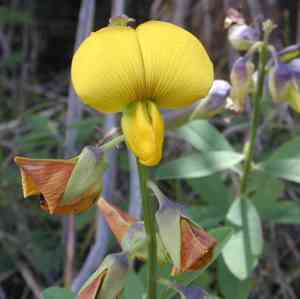
This enduring leguminous plant, distinguished by its violet-pink flowers and pea-shaped leaves, flourishes when trimmed. For an impressive Tick-Trefoil, prune in early spring to foster denser development. Following the initial summer flowering, a gentle trim stimulates a subsequent blooming period. Trimming is most advantageous during these particular times, assisting in averting diseases and improving air movement. Consistent removal of spent blossoms also extends the flowering duration and hinders undesirable self-propagation.
What Are the Benefits of Pruning Showy Tick-trefoil?
What Are the Benefits of Pruning Showy Tick-trefoil?
Trimming showy Tick-Trefoil promotes strong development by eliminating old or unhealthy foliage, fostering new, vigorous shoots. Consistent cutting maintains its form, keeping it neat and managed, while boosting overall health and preventing excessive growth.
What Is the Best Time for Pruning Showy Tick-trefoil?
What Is the Best Time for Pruning Showy Tick-trefoil?
Pruning showy Tick-Trefoil from late spring to early summer coincides with the period after flowering, enabling gardeners to shape the plant and manage its size without disrupting its growth cycle. This timing ensures that energy reserves are directed towards recovery and new development, rather than sustaining old or faded blooms. Pruning during this interval can help preserve plant health and vitality, while encouraging a more vibrant display in the subsequent growing season.
What Tools Do I Need to Prune Showy Tick-trefoil?
Hand Pruners
For precise trimming and shaping of showy Tick-Trefoil, hand pruners are essential. Showy Tick-Trefoil has relatively slender stems, and hand pruners can make clean cuts without harming the plant.
Pruning Shears
Also known as secateurs, pruning shears feature robust, sharp blades ideal for cutting back the herbaceous growth of showy Tick-Trefoil.
Gardening Gloves
Protection is crucial when handling showy Tick-Trefoil, so gardening gloves should be worn to prevent any irritation from the plant and to safeguard hands from sharp edges.
Bypass Loppers
If showy Tick-Trefoil has matured and developed thicker stems that hand pruners cannot manage, bypass loppers are recommended. Their long handles and strong blades can cut through denser growth without damaging the plant.
How to Prune Showy Tick-trefoil
Disinfect tools
Before starting to trim showy Tick-Trefoil, clean and sanitize all pruning tools to prevent disease transmission. Use a solution of 1 part bleach to 9 parts water or rubbing alcohol to disinfect the blades.
Identify diseased parts
Carefully examine showy Tick-Trefoil to pinpoint all diseased leaves and stems. Look for unusual spots, discolored foliage or stems, and any signs of wilting that indicate illness or poor health.
Remove diseased leaves
Using sharp, sanitized pruning shears, carefully snip off all diseased leaves from showy Tick-Trefoil. Make clean cuts at the base of each leaf stem to avoid tearing, which can create new entry points for disease.
Prune diseased stems
Cut away any diseased stems on showy Tick-Trefoil. Make cuts at a 45-degree angle, approximately 1/4 inch above a healthy leaf node or bud to encourage new growth. Ensure the cut is clean and does not crush the stem.
Dispose of debris
Discard all pruned diseased leaves and stems in a manner that prevents disease spread. Do not compost diseased material. Clean the area around showy Tick-Trefoil to remove any fallen debris.
Common Pruning Mistakes with Showy Tick-trefoil
Over-pruning
Removing too much foliage from showy Tick-Trefoil can weaken the plant, as it relies on its leaves for photosynthesis and stored energy.
Blunt tools
Using dull or blunt pruning tools can result in jagged cuts that may lead to disease and pest infestations in showy Tick-Trefoil.
Pruning health
Cutting into healthy wood instead of just removing dead or diseased stems leaves showy Tick-Trefoil vulnerable to infections or can result in the loss of next season's blooms.
Improper cut location
Making cuts either too close or too far from the node, which can either damage the node or leave a stub that may encourage rot in showy Tick-Trefoil.
Removing too little
Pruning too little may result in showy Tick-Trefoil becoming leggy or overgrown, reducing its overall appearance and flowering potential.
Ignoring disease precautions
Failing to clean tools before and after pruning showy Tick-Trefoil can spread disease from infected plants to healthy ones.
Unbalanced pruning
Pruning showy Tick-Trefoil unevenly can result in an aesthetically unpleasing shape and can also affect its overall health and growth.
Common Pruning Tips for Showy Tick-trefoil
Sharp tools
Always use sharp, clean pruning shears or scissors to make clean cuts that heal quickly and limit the risk of disease in showy Tick-Trefoil.
Cut angle
Make angled cuts just above a leaf node or branching point to promote regrowth without harming the main stems of showy Tick-Trefoil.
Deadhead flowers
Regularly deadhead, or remove spent flowers, to encourage showy Tick-Trefoil to produce more blooms and maintain a neat appearance.
Remove dead material
Prune away dead, diseased, or damaged stems immediately to maintain the health of showy Tick-Trefoil and prevent the spread of potential infections.
Thinning
Thin out any excessively dense areas of growth to increase air circulation, which helps prevent disease in the foliage of showy Tick-Trefoil.
Prune for shape
Shape showy Tick-Trefoil by selectively pruning to encourage a more compact and aesthetically pleasing form without sacrificing the plant's natural shape.
Follow growth pattern
Understand the growth pattern of showy Tick-Trefoil and prune accordingly to encourage new growth in the desired direction and support a robust framework.



