The Showy Tick-Trefoil Plant Advantage: Maximizing Home and Office Appeal and Wellness
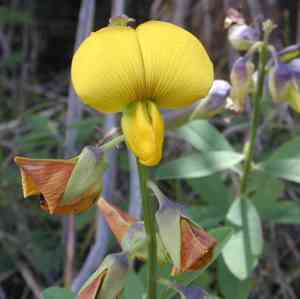
1
Showy Tick-Trefoil draws in helpful pollinators such as bees and butterflies.
2
It improves ground quality by fixing nitrogen.
3
Showy Tick-Trefoil adapts well to diverse soil kinds and environments.
Why Plant Showy Tick-Trefoil?
Draws in Beneficial Pollinators
A primary reason to cultivate Showy Tick-Trefoil is its capacity to attract helpful pollinators like bees, butterflies, and hummingbirds. These pollinators are vital for your garden's health and output. They aid in the fertilization of various plants, leading to improved yields and stronger plants. By planting Showy Tick-Trefoil, you establish a pollinator-friendly space, enhancing your garden's biodiversity and sustainability.
Improves Soil Quality
Showy Tick-Trefoil is a leguminous plant, meaning it possesses the unique capability to fix nitrogen in the soil. Through a symbiotic relationship with nitrogen-fixing bacteria in its root nodules, Showy Tick-Trefoil converts atmospheric nitrogen into a form plants can readily use for growth. This process enriches the soil, lessens the need for chemical fertilizers, and fosters healthier plant development. Over time, better soil health can result in a more robust and resilient garden ecosystem.
What Makes Showy Tick-Trefoil Hardy?
Versatility in Soil Types
Showy Tick-Trefoil is highly adaptable and can flourish in a broad spectrum of soil types, from sandy to clay-rich substrates. This versatility makes it a flexible option for gardeners who may have diverse soil conditions. Whether your soil drains well or tends to hold moisture, Showy Tick-Trefoil can adjust and thrive, making it a low-maintenance addition to your garden.
Drought and Pest Resistance
Another notable trait of Showy Tick-Trefoil is its resilience to drought and pests. Once established, Showy Tick-Trefoil needs minimal watering and can endure dry conditions, making it an excellent choice for water-conscious gardeners. Furthermore, it has a natural resistance to many common pests, reducing the need for chemical pesticides. This hardiness not only lowers maintenance demands but also promotes more sustainable gardening practices.
How Does Showy Tick-Trefoil Benefit the Environment?
Supports Local Wildlife
Beyond attracting pollinators, Showy Tick-Trefoil serves as a habitat and food source for various wildlife. Birds, small mammals, and insects utilize its foliage and seeds, contributing to a balanced ecosystem. By planting Showy Tick-Trefoil, you are cultivating a habitat that supports local biodiversity, enhancing your garden's environmental value.
Reduces Soil Erosion
The root system of Showy Tick-Trefoil is extensive and strong, helping to stabilize the soil and prevent erosion. This is especially beneficial in areas prone to soil degradation. The plant's roots bind soil particles together, preventing them from being washed away during heavy rains. By planting Showy Tick-Trefoil, you contribute to soil conservation and minimize the negative impacts of soil erosion.
How to Successfully Grow Showy Tick-Trefoil
Ideal Planting Conditions
To maximize the advantages of Showy Tick-Trefoil, it's crucial to understand its optimal planting conditions. Showy Tick-Trefoil prefers full sunlight for at least six hours daily, though it can tolerate partial shade. Regarding soil, while adaptable, well-draining soil with a pH range of 6.0 to 7.5 is perfect. Planting in spring or early fall allows Showy Tick-Trefoil to establish its root system before extreme weather conditions arrive.
Care Guidelines
Maintaining Showy Tick-Trefoil is relatively straightforward. Water it regularly during its initial growth phases but reduce watering once it's established. Mulching can help retain soil moisture and suppress weeds. Pruning is usually unnecessary, but if you wish to shape the plant or remove any dead or decaying parts, do so in late winter or early spring. Fertilization is generally not required due to its nitrogen-fixing ability, but a light composting can be beneficial.



