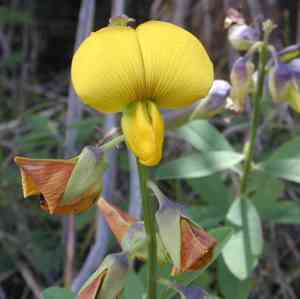
Showy Tick-Trefoil (Desmodium canadense)
Also known as: Canadian Tick-Trefoil, Tick Trefoil
The Showy Tick-Trefoil (Desmodium canadense) dazzles with vibrant fuchsia blooms in mid-summer. This plant is known for its nitrogen-fixing ability, thanks to bacteria in its root nodules that capture atmospheric nitrogen. This process enables the plant to utilize the nitrogen and concurrently enrich the soil.
In This Article
Attributes of Showy Tick-Trefoil
Lifespan
Perennial
Plant Type
Herb
Plant Height
61 cm to 1.8 m
Spread
60 cm to 90 cm
Leaf Color
Green
Flower Size
2.5 cm
Flower Color
Pink Purple Red
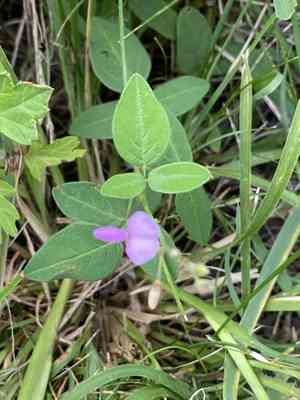
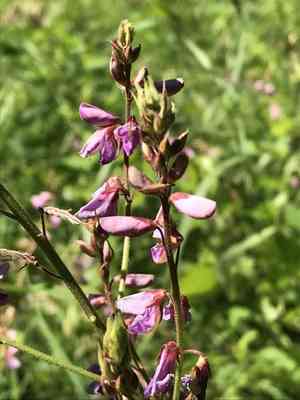
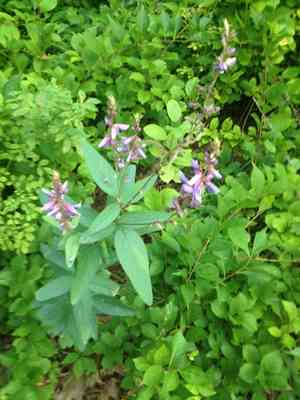
Images of Showy Tick-Trefoil
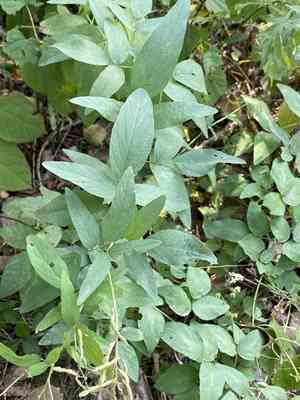
Quickly Identify Showy Tick-Trefoil
1
Look for trifoliate (three-part) leaves, each leaflet being oblong and green. The plant has a hairy stem and produces clusters of pink to purple flowers during the summer. Seed pods are segmented and stick to clothing or fur.
Scientific Classification of Showy Tick-Trefoil
Phylum
Vascular plants
Class
Dicotyledons
Order
Fabales
Family
Legume
Genus
Tick clover
Species
Showy Tick-Trefoil
Planting and Growing of Showy Tick-Trefoil
Care Difficulty
Easy
Watering Schedule
Every 3 days
Sunlight Requirements
Full sun
Sunshine Duration
6-12 hours
Ideal Temperature
60-75℉
Soil Type
Potting Mix, Peat Mix
Soil pH
6.5-7.5
Fertilizer Type
Balanced
Pruning Season
Spring, Summer
Pruning Area
Branches, Leaves
Pruning Frequency
2 times a year
Repotting Season
Spring
Pot Type
Plastic, Ceramic
 How to Water Showy Tick-Trefoil?
Desmodium canadense, known for its adaptability, prefers its soil to dry out slightly between waterings. This means you should aim to water until the soil is moist but not waterlogged, ensuring that excess water can drain freely.
What are the symptoms of an underwatered Showy Tick-Trefoil?
›
What should I do if my Showy Tick-Trefoil is not getting enough water?
›
What are the symptoms of an overwatered Showy Tick-Trefoil?
›
How to save an overwatered Showy Tick-Trefoil?
›
 What Are the Sunlight Requirements for Showy Tick-Trefoil?
Desmodium canadense thrives in full to partial sunlight. Ideal light ensures lush foliage and prolific blooms. Full sun exposure provides optimal photosynthesis, crucial for growth, while partial sun suits adaptation in various climates.
More About Sunlight Requirements Techniques→
What is the ideal sunlight requirement for Desmodium canadense?
›
How can you ensure Desmodium canadense receives ideal sunlight?
›
What are the benefits for Desmodium canadense with ideal sunlight?
›
 What Is the Ideal Temperature Range for Showy Tick-Trefoil?
The ideal temperature range for growing Desmodium canadense is between 60°F and 75°F, conditions where the plant thrives best. Within this range, the plant can perform photosynthesis actively, leading to optimal growth and flowering. These temperatures mimic the plant's native environment during the growing season, ensuring that the metabolic processes occur as efficiently as possible.
 What Soil is Best for Showy Tick-Trefoil?
Desmodium canadense thrives best in well-draining soil which prevents waterlogging. Good drainage ensures proper root respiration and helps in the prevention of root rot, a common issue for plants in poorly drained environments. This plant prefers soils that are rich in organic matter, which provides essential nutrients for optimal growth and flowering. An abundance of organic matter also promotes microbial activity, contributing to the soil's overall health. Desmodium canadense favors moderately moist soils. While it can tolerate short dry spells, consistent moisture ensures sustained growth and prevents premature wilting during the growing season.
 How to Fertilize Showy Tick-Trefoil?
For Desmodium canadense, use a balanced water-soluble fertilizer diluted to half strength. Aim to apply 1 teaspoon of this diluted solution per gallon of water for optimal nutrient absorption and health.
 How to Prune Showy Tick-Trefoil?
Ensure you have sharp pruning shears and gloves to protect your hands. Clean tools before and after to prevent the spread of disease. Look for any dead, diseased, or damaged stems. Target stems crossing each other, as they can hinder plant health. Begin from the top, making precise cuts above a leaf node to encourage bushier growth. Gradually work your way downward, maintaining an even shape. Clean your shears with a disinfectant to prevent transmitting pathogens between plants. Regular cleaning will prolong the life of your tools.
More About Pruning Techniques→
 How to Propagate Showy Tick-Trefoil plant?
1
Soak the Desmodium canadense seeds in water for 12 to 24 hours before sowing to increase germination rates. Remove any floating seeds, as they may not be viable.
2
Select healthy stems for cuttings during late spring or early summer. Cut a 4-6 inch length below a node, ensuring the cutting has a few leaves.
3
In early spring or fall, carefully dig up the plant and use a sharp knife to divide the root ball, ensuring each division has roots and shoots.
 How to Repot Showy Tick-Trefoil plant?
1
Look for signs like roots growing out of the drainage holes or the soil drying out faster than usual. These are indications your Desmodium canadense needs a larger pot. The best time to repot is during its active growing season, primarily in spring or early summer, which allows the plant to quickly recover from the repotting process.
2
Select a pot that is just one size larger than the current one. Ensure it has adequate drainage holes to prevent waterlogging, which can lead to root rot. A pot that is too large can hold excessive soil moisture, whereas the right size encourages healthy root development and robust growth.
3
Opt for a well-draining, loamy soil mix to ensure good aeration and moisture retention. Such a mix supports the plant's growth without waterlogging the roots. Adding a bit of perlite or sand can enhance drainage, making it easier for the plant to thrive in its new home.
Learn More About Showy Tick-Trefoil Diseases
Anthracnose
Bacterial Leaf Spot
Bacterial Wilt
Chemical Injury
Cyst Nematode
Damping-off
Downy Mildew
Drought Stress
Fusarium Wilt
Gray Mold
Leaf Curl
Leaf Spot
Mosaic
Nutrient Deficiency
Nutrient Toxicity
Powdery Mildew
Root Rot
Root-knot Nematode
Rusts
Sooty Mold
Spider Mites
Temperature Stress
Thrips Damage
White Mold



