How to Prune Pigeon bundleflower?
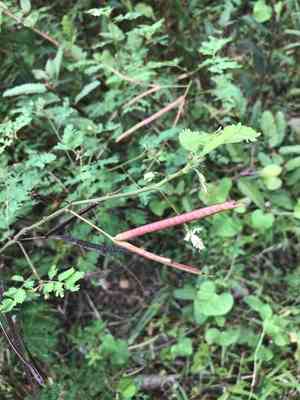
Described by its delicate leaves and groupings of tiny, aromatic blossoms, Pigeon bundleflower thrives with yearly trimming. Essential methods involve excising lifeless or injured stalks, reducing density to improve airflow, and sculpting to stimulate development. The ideal period for trimming is early spring, prior to the emergence of fresh shoots. Appropriate pruning enhances the plant's well-being and encourages abundant flowering. Ensure instruments are keen and sanitized to avert illness. By following these recommendations, cultivators can appreciate a flourishing and attractive specimen.
What Are the Benefits of Pruning Pigeon Bundleflower?
What Are the Benefits of Pruning Pigeon Bundleflower?
Pigeon bundleflower thrives with trimming, maintaining its form and growing robustly. Pruning encourages healthy development, manages plant dimensions, and fosters a neat look. It also aids in resistance to pests and diseases. Regular trimming ensures strong growth and enhanced vitality.
What Is the Best Time for Pruning Pigeon Bundleflower?
What Is the Best Time for Pruning Pigeon Bundleflower?
Trimming pigeon bundleflower in early spring is optimal as it aligns with the plant's natural growth cycle. This allows for the removal of any winter damage before new shoots emerge, fostering healthier development. Early spring pruning also helps shape the plant and control its size prior to the active growing season, improving its structure and productivity. Additionally, cutting at this time minimizes disruption to flowering or fruiting, ensuring the plant can fully utilize the upcoming growth period.
What Tools Do I Need to Prune Pigeon Bundleflower?
Hand pruners
Perfect for precise cuts on stems and branches up to ¾ inch in diameter; they offer control and accuracy, vital for maintaining pigeon bundleflower's shape.
Lopping shears
Useful for cutting thicker branches, typically up to 1½ inches in diameter, which might be necessary for older or more vigorous growth in pigeon bundleflower.
Pruning saw
Recommended for cutting branches too thick for lopping shears, ensuring clean cuts on larger branches to prevent harm to pigeon bundleflower.
Gloves
Essential for protecting hands from thorns and sharp edges while trimming pigeon bundleflower.
Disinfectant solution
Important for sterilizing tools before and after pruning to prevent the spread of diseases to pigeon bundleflower.
How to Prune Pigeon Bundleflower
Assessment
Inspect pigeon bundleflower thoroughly to locate and identify the diseased leaves, withered leaves, dead branches, and diseased branches that require trimming.
Tools Preparation
Prepare appropriate tools such as sharp pruners or shears and sanitize them using a solution of bleach and water (1:10 ratio) to prevent disease transmission.
Remove Dead Material
Begin by cutting away all dead branches, ensuring cuts are made cleanly at the base or where healthy tissue begins. This helps to reduce pest infestation and improve air circulation.
Remove Diseased Material
Carefully prune off all diseased leaves and branches, cutting back to healthy wood and making sure to sanitize the cutting tools between each cut to avoid contamination.
Clear Withered Leaves
Trim any withered leaves by cutting them close to the stem or base. This allows pigeon bundleflower to direct nutrients to healthier parts, promoting vigorous growth.
Common Pruning Mistakes with Pigeon Bundleflower
Incorrect technique
Using improper cutting tools or methods can harm the plant's stems and limit its growth potential.
Over-pruning
Removing too much foliage at once can stress the plant, hindering growth and potentially leading to disease.
Pruning at the wrong spot
Cutting too close to the main stem or randomly can impede regrowth and result in uneven growth patterns.
Insufficient pruning
Failing to prune adequately can lead to a tangled, overgrown appearance and reduce air circulation, which may promote pest infestations and fungal diseases.
Common Pruning Tips for Pigeon Bundleflower
Use sharp, clean tools
Always use sharp, clean pruning shears to make precise cuts and prevent the spread of disease.
Thin out crowded branches
Focus on thinning out overcrowded or crossing branches to improve air circulation and sunlight penetration.
Make clean cuts
Ensure that cuts are clean and made at an angle just above a leaf node or bud to encourage new growth.
Remove dead or diseased wood
Regularly remove dead, damaged, or diseased branches to maintain the plant's overall health.



