How to Propagate Pigeon bundleflower?
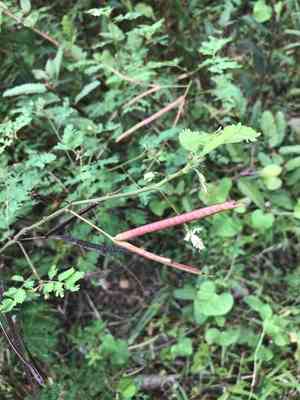
Desmanthus virgatus, a leguminous shrub prevalent in tropical zones, is prized for its capacity to enhance soil quality. To multiply Desmanthus virgatus, acquire stem sections possessing a minimum of three nodes. Verify that all cutting implements are disinfected to avert the spread of pathogens. Employ a rooting substrate that drains effectively and sustain moisture levels by enclosing the cuttings in plastic or utilizing a propagation unit. Position the cuttings in diffused light and spray them frequently to prevent drying out.
Optimal Period for Pigeon Bundleflower Propagation
Propagation Method
Cutting
Propagation Period
Spring,Summer
Tools Required for Pigeon Bundleflower Propagation
Sterile Pruning Shears
Pruning shears are vital for taking precise cuttings from pigeon bundleflower. Sterilized shears prevent pathogen spread, ensuring healthy, viable cuttings.
Rooting Hormone
A quality rooting hormone significantly boosts successful rooting for pigeon bundleflower cuttings. It encourages quicker, stronger root development, increasing survival rates.
Propagation Tray
A propagation tray offers a controlled environment for pigeon bundleflower cuttings. It helps maintain consistent moisture and supports proper aeration, crucial for root growth.
Humidity Dome
The humidity dome creates an ideal microclimate for rooting by retaining humidity and warmth. This is especially important for pigeon bundleflower to prevent cuttings from drying out during rooting.
Well-Draining Soil Mix
Using a well-draining soil mix ensures pigeon bundleflower cuttings don't sit in water, which can cause rot. An ideal mix for pigeon bundleflower would be perlite, peat moss, and vermiculite.
Heat Mat
A heat mat provides bottom heat, encouraging root formation in pigeon bundleflower cuttings. This is particularly beneficial in cooler climates or seasons with low ambient temperatures.
Spray Bottle
A spray bottle is useful for misting pigeon bundleflower cuttings to keep them hydrated without overwatering. Regular misting helps maintain necessary humidity around the cuttings.
Labeling Stakes
Labeling stakes ensure each pigeon bundleflower cutting is properly identified, especially helpful when propagating multiple plants. This aids in tracking progress and care needs.
How to Propagate Pigeon Bundleflower?
Propagation Type
Moderately Difficult
Caring for Your Newly Propagated Pigeon Bundleflower
Caring for Your Newly Propagated Pigeon Bundleflower
Once rooted with new growth, gradually introduce them to outdoor conditions by removing the plastic cover for a few hours daily. Ensure adequate water, avoiding waterlogging. Fertilize with a balanced, diluted liquid fertilizer every 4-6 weeks during the growing season. Protect from extreme temperatures and strong winds as pigeon bundleflower establishes itself.
Common Mistakes to Avoid When Propagating Pigeon Bundleflower
Improper Soil Preparation
Using soil that is too dense or poorly drained can lead to root rot and other issues. Pigeon bundleflower thrives in well-draining soils.
Overwatering
Providing too much water can cause roots to suffocate and rot, leading to weak or dead plants.
Incorrect Seed Handling
Planting seeds too deep or not scarifying them can impede germination.
Lack of Sunlight
Insufficient sunlight can result in weak, leggy growth.
Insufficient Temperature Control
Exposing seeds or young plants to extreme temperatures can reduce germination rates and hinder growth.
Tips For Propagating Pigeon Bundleflower
Use Well-Draining Soil
Select a sandy or loamy soil to ensure proper drainage and avoid root rot.
Water Wisely
Keep the soil moist but not waterlogged. Allow the top layer to dry out between watering sessions to prevent root issues.
Properly Prepare Seeds
Scarify seeds by lightly sanding or nicking them to enhance germination. Plant seeds at a shallow depth.
Ensure Adequate Sunlight
Place pigeon bundleflower in a location that receives full sun for at least 6-8 hours per day.
Control Temperature
Maintain a consistent temperature around the seeds and young plants to encourage strong and healthy growth.



