How to Prune Royal larkspur?
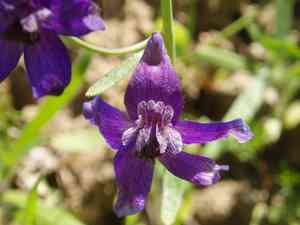
Distinguished by its vivid blooms and elevated form, royal larkspur greatly benefits from consistent trimming. Optimal pruning entails removing faded flowers in summer to stimulate further blossoming, and reducing up to one-third of its development in late spring to foster strength and control its dimensions. Furthermore, eliminating frail or injured stalks improves its general well-being. These crucial trimming intervals, during spring and summer, coincide with royal larkspur's vigorous growth stages, guaranteeing peak plant health and a splendid floral exhibition.
What Are the Benefits of Pruning Royal Larkspur?
What Are the Benefits of Pruning Royal Larkspur?
Trimming royal larkspur promotes robust development and maintains an attractive form. Strategic cuts encourage denser leaves and stronger stalks, vital for supporting its delicate blossoms. Consistent trimming also aids in managing its overall size, ensuring royal larkspur stays visually pleasing and manageable.
What Is the Best Time for Pruning Royal Larkspur?
What Is the Best Time for Pruning Royal Larkspur?
Trimming royal larkspur in Spring and early Summer aligns with its growth cycle and flowering period. Post-winter Spring trimming revitalizes royal larkspur's growth by removing dead or damaged stems and fosters healthier, denser foliage. This timing also prepares the plant for abundant flowering. Early Summer trimming, immediately after the initial bloom, encourages a second flowering cycle and helps maintain the plant's shape and size, optimizing its overall health and aesthetic appeal.
What Tools Do I Need to Prune Royal Larkspur?
Bypass Pruners
Perfect for making neat and precise cuts required for the slender stems of royal larkspur. Bypass pruners operate like scissors, with two curved blades passing each other. This type of pruner minimizes harm to the plant's delicate tissues, encouraging better healing and growth.
Snips
Excellent for deadheading the faded blooms of royal larkspur and for thinning out smaller, congested stems. Snips offer greater control and precision for delicate tasks on less woody stems, helping maintain the plant's shape and encourage further flowering.
Pruning Saw
Essential for removing any older, thicker stems that may have become woody over time. A pruning saw assists in managing the size of royal larkspur and removing larger branches that bypass pruners cannot handle, ensuring the plant's vigor and aesthetic form.
How to Prune Royal Larkspur
Identify
Locate and select the diseased or withered leaves and unhealthy stems on royal larkspur. Look for signs of discoloration, spots, and deformities on the leaves, and any parts of the stems that appear unhealthy or damaged.
Disinfect
Before starting the trimming process, sanitize your pruning tools with a solution of bleach or alcohol to prevent the spread of disease to healthy parts of royal larkspur.
Cut
Using sharp, clean pruning shears, carefully remove the identified diseased and withered leaves, and unhealthy stems from royal larkspur. Make cuts close to the base of the affected parts, but be careful not to harm the main stems and healthy foliage.
Clean
After trimming, clear away all removed debris from around royal larkspur to prevent the likelihood of disease spreading. Dispose of the diseased material properly, not in your compost bin to avoid contamination.
Inspect
Regularly examine royal larkspur following trimming for any signs of new disease or further wilting. Repeat the trimming process if new diseased or withered areas develop, maintaining plant health and vigor.
Common Pruning Mistakes with Royal Larkspur
Overpruning
A frequent error is removing too much foliage, which can stress royal larkspur by limiting its ability to photosynthesize and grow. It's crucial to trim no more than one-third of the plant at any one time.
Incorrect cuts
Making cuts too close to the main stems or too far from the buds can harm royal larkspur. Improper cutting can lead to damaged stems and reduce the plant's overall health and aesthetic appeal.
Pruning healthy blooms
Unnecessarily cutting off healthy blooms and foliage can reduce the vibrancy and flowering potential of royal larkspur. It’s important to target dead or weak stems to enhance the plant’s growth and flower production.
Common Pruning Tips for Royal Larkspur
Selective thinning
Focus on selectively thinning out crowded areas to increase air circulation and sunlight penetration. This promotes healthier growth and reduces the risk of disease in royal larkspur.
Cutting technique
Use sharp, clean pruning shears to make clean and angled cuts just above a bud facing the outside of the plant. This encourages outward growth and prevents water accumulation that could lead to disease.
Deadheading
Regularly remove spent flowers to promote more blooms and extend the blooming period of royal larkspur. This not only enhances the plant’s appearance but also diverts energy to healthier blossoms and growth.



