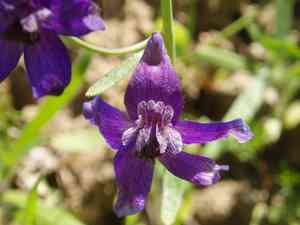
Royal larkspur (Delphinium variegatum)
Also known as: Thorne's royal larkspur
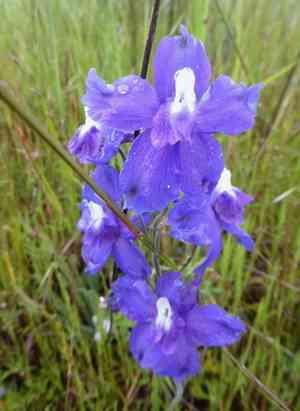
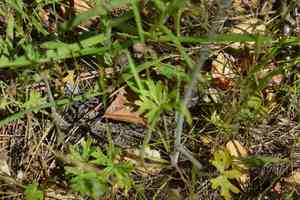
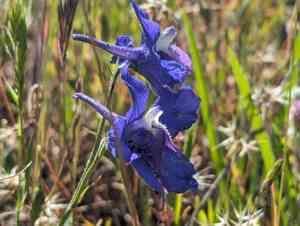
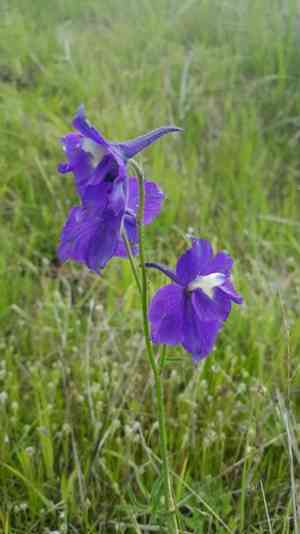
This upright wildflower can grow up to 50 centimeters tall. It features deeply lobed leaves that sometimes overlap, with hairy, elongated petioles. The plant's branched inflorescence can support up to 25 flowers that are typically spaced apart. The flowers are predominantly a vivid deep blue, though some subspecies may exhibit lighter blue or white blooms.
In This Article
Attributes of Royal larkspur
Lifespan
Perennial
Plant Type
Herb
Plant Height
30-90 cm (1-3 feet)
Spread
20-30 cm (8-12 inches)
Leaf Color
Green
Flower Size
2.5-5 cm (1-2 inches)
Flower Color
Blue to Violet
Images of Royal larkspur
Quickly Identify Royal larkspur
1
Delphinium variegatum can be identified by its tall, erect stems, deeply lobed leaves, and vibrant blue to violet flowers with a characteristic spur at the back. The flowers are arranged in an elongated cluster known as a raceme.
Scientific Classification of Royal larkspur
Phylum
Vascular plants
Class
Dicotyledons
Order
Ranunculales
Family
Buttercup
Genus
Larkspurs
Species
Royal larkspur
Planting and Growing of Royal larkspur
Care Difficulty
Hard
Watering Schedule
Every 2 days
Sunlight Requirements
Full sun
Sunshine Duration
4-8 hours
Ideal Temperature
60-75℉
Soil Type
Potting Mix, Peat Mix
Soil pH
6.5-7.5
Fertilizer Type
Balanced
Pruning Season
Spring, Summer
Pruning Area
Branches, Leaves
Pruning Frequency
2 times a year
Repotting Season
Spring
Pot Type
Plastic, Ceramic
 How to Water Royal larkspur?
Delphinium variegatum thrives with moderate watering. Ensure the soil is evenly moist but not waterlogged, typically requiring about 250 ml per session. This balance ensures the plant gets sufficient moisture without risk of root rot. Aim for soil that feels like a wrung-out sponge.
What are the symptoms of an underwatered Royal larkspur?
›
What should I do if my Royal larkspur is not getting enough water?
›
What are the symptoms of an overwatered Royal larkspur?
›
How to save an overwatered Royal larkspur?
›
 What Are the Sunlight Requirements for Royal larkspur?
Delphinium variegatum prospers in a range from full to partial sun. This exposure ensures optimal photosynthesis, promoting vigorous growth, strong stems, and an abundance of vibrant blooms.
Optimal Sunlight Duration
›
Solutions for Ideal Lighting
›
Benefits of Ideal Sunlight
›
 What Is the Ideal Temperature Range for Royal larkspur?
The ideal temperature range for Delphinium variegatum is between 60 and 75 degrees Fahrenheit. Within this range, the plant can undergo optimal growth, maximizing both the health of its foliage and the vibrancy of its blooms. It is important to maintain these conditions, as deviations can lead to suboptimal growth or even harm to the plant.
 What Soil is Best for Royal larkspur?
Delphinium variegatum thrives best in well-drained soil to prevent root rot caused by excess moisture. Ensuring proper drainage enhances aeration, supporting healthy root development and overall plant vigor. This plant prefers soil with moderate fertility, which provides essential nutrients without overwhelming the plant. Balanced fertility aids in robust blooming, resulting in healthier and more vibrant flower spikes. Delphinium variegatum requires soil that retains moisture but is not prone to waterlogging. This balance ensures the plant remains hydrated while preventing diseases related to excessive soil wetness.
 How to Fertilize Royal larkspur?
When fertilizing Delphinium variegatum, it's important to provide the right amount to avoid nutrient imbalances. Use a balanced liquid fertilizer diluted to half its strength for monthly applications. For slow-release granular fertilizers, apply according to package instructions, keeping in mind the plant's mature size and growth rate. Typically, 1 tablespoon per plant is sufficient for each application of slow-release granules.
 How to Prune Royal larkspur?
Begin by removing spent blooms to encourage a second flush of flowers. Cut back to the nearest set of healthy leaves. This directs the plant’s energy towards budding new blooms rather than seed production. After deadheading, focus on shaping the plant. Cut back excessive growth to ensure the plant maintains a bushy, compact shape. Bear in mind the natural growth habit of Delphinium variegatum to preserve its ornamental appeal. Post-bloom, prune the plant to the ground to prepare it for winter or induce a fresh growth spurt. This encourages robust flowering the following season and prevents legginess.
More About Pruning Techniques→
 How to Propagate Royal larkspur plant?
1
Delphinium seeds should be stratified before planting, which involves chilling them for about two weeks. This process mimics natural winter conditions, enhancing germination rates.
2
Choose healthy parent plants and take cuttings in early spring. Trim the cuttings just below a node and ensure they are around 4 to 6 inches long for optimal rooting.
3
Division should be done in early spring. Dig up the mature plant and gently separate the roots into smaller sections. Ensure each section has a healthy portion of roots for successful propagation.
 How to Repot Royal larkspur plant?
1
Repotting should be done in early spring before new growth starts. Look for signs like roots growing out of drainage holes or soil compacting at the top. These signals indicate that it’s time for a new pot to provide more space and nutrients.
2
Select a pot that is one size larger than the current one, with good drainage holes to prevent waterlogging. This will give the roots plenty of space to expand and promote healthy growth, while also reducing the risk of root rot.
3
Opt for a well-draining mix, such as a combination of peat, pine bark, and perlite. This soil allows air circulation around the roots, retains moisture without becoming waterlogged, ensuring the plant remains healthy and vibrant.
Toxicity
ingestion
WARNING
The judgment on toxicity and danger is for reference only. We DO NOT GUARANTEE any accuracy of such judgment. Therefore, you SHALL NOT rely on such judgment. It is IMPORTANT TO SEEK PROFESSIONAL ADVICE in advance when necessary.
Learn More About Royal larkspur Diseases
Anthracnose
Bacterial Leaf Spot
Bacterial Soft Rot
Bacterial Wilt
Black Spot
Chemical Injury
Crown Gall
Cyst Nematode
Damping-off
Downy Mildew
Drought Stress
Fusarium Wilt
Gray Mold
Leaf Spot
Mosaic
Nutrient Deficiency
Nutrient Toxicity
Powdery Mildew
Root Rot
Root-knot Nematode
Rusts
Sooty Mold
Spider Mites
Temperature Stress
Thrips Damage
White Mold



