How to Propagate Royal larkspur?
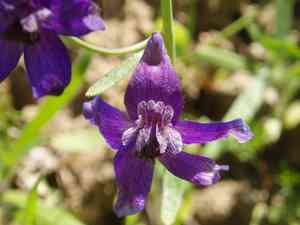
Delphinium grandiflorum, an appealing perennial celebrated for its vivid blooms, flourishes when reproduced from stem sections. To achieve successful root development, utilize a robust stem cutting, preferably possessing several nodes, and embed it in a potting blend that drains effectively. Sustaining consistent moisture in the substrate and supplying diffused illumination will boost the rooting process. To prevent the decay of roots, verify that the container offers sufficient drainage and refrain from excessive watering.
Optimal Period for Royal Larkspur Propagation
Propagation Method
Cutting
Propagation Period
Spring,Summer
Tools for Royal Larkspur Propagation
Sharp pruning shears
Crucial for making clean cuts on the stem or shoot of royal larkspur. This precision helps avoid harm to the parent plant and guarantees a healthier cutting. A cleaner cut reduces the likelihood of infections or decay, significantly boosting propagation success.
Rooting hormone
This substance is applied to the cut end of royal larkspur's stem prior to planting. It encourages root development from the cuttings, increasing the chance of successful root formation. Rooting hormone not only accelerates the rooting process but also provides a stronger start for new plants.
Sterile potting mix
Utilizing a sterile potting mix prevents the spread of soil-borne diseases to new royal larkspur cuttings. It's also typically lighter and more aerated than garden soil, which promotes superior root growth and drainage, essential for the proper establishment of new plants.
Propagation trays
These containers are used for arranging cuttings systematically. For royal larkspur, this ensures each cutting has ample room and resources to develop roots without interference. The shallow design often found in propagation trays also aids in maintaining appropriate moisture levels, critical during root development.
Heating mats
Given royal larkspur's sensitivity, a consistent and suitable growing temperature is vital. Heating mats provide a controlled heat source, ensuring the propagation area stays within an ideal temperature range to encourage rooting, especially in colder climates or seasons.
Misting bottle
Maintaining humidity around royal larkspur during the initial stages of cutting propagation is essential to prevent the cuttings from drying out. A misting bottle allows for a gentle and even distribution of moisture, crucial for keeping the environment favorable for root growth until the plant can sustain itself.
How to Propagate Royal Larkspur?
Propagation Type
Easy
Caring for Your Newly Propagated Royal Larkspur
Caring for Your Newly Propagated Royal Larkspur
Once royal larkspur has successfully rooted and new growth emerges, gradually introduce it to more direct sunlight. Continue to monitor moisture levels, allowing the soil to dry slightly between waterings. Fertilize monthly with a balanced liquid fertilizer during the active growing period. Provide support stakes if needed, as mature royal larkspur can grow tall and may require assistance to remain upright. Protect from strong winds and stake appropriately. Regularly inspect for pests and diseases, particularly fungal issues common to royal larkspur.
Common Errors to Avoid When Propagating Royal Larkspur
Overwatering
Watering royal larkspur too frequently can lead to root rot, a condition where roots decay due to excessive moisture. This hinders the plant's ability to absorb nutrients and water, ultimately causing its demise.
Deep planting
Planting royal larkspur seeds or cuttings too deeply can prevent them from receiving adequate light and air, impeding germination or root emergence. This error can significantly reduce the chance of successful plant development.
Using unsterilized tools or pots
Propagating with contaminated tools or containers can introduce pathogens to royal larkspur, leading to diseases that can severely impact their growth and health. Disease introduction at the propagation stage can be particularly damaging as young plants are more susceptible.
Ignoring humidity needs
Neglecting the necessary humidity levels when propagating royal larkspur through cuttings can cause them to dry out and fail to root. Proper humidity is crucial for encouraging rooting and initial growth.
Tips For Propagating Royal Larkspur
Use fresh seeds
Always use fresh seeds for sowing royal larkspur as their germination rate declines with age. Fresh seeds ensure higher viability and better growth rates in seedlings.
Moist, but not wet soil
Keep the soil moist but not saturated when propagating royal larkspur. Overwatering can be detrimental, so ensuring the soil is just damp enough is key for optimal growth.
Proper depth and spacing
Sow royal larkspur seeds or place cuttings at the correct depth and spacing to ensure adequate light exposure and prevent overcrowding. This promotes healthier growth and reduces competition for nutrients.
Sterilize propagation equipment
Always sterilize tools, pots, and any other equipment used in propagation to prevent disease transmission. This is crucial for maintaining the overall health of royal larkspur.
Use rooting hormone
Applying a rooting hormone to royal larkspur cuttings can enhance root development and improve the overall success rate of propagation. This aids in quicker and more robust root establishment.



