How to Prune San bernardino larkspur?
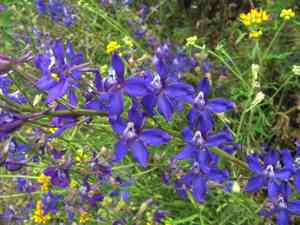
Recognized for its impressive azure blossoms and elevated, pointed stalks, san bernardino larkspur thrives with trimming in the initial part of spring or the latter portion of winter. Eliminate deceased or injured stems to foster robust development and amplify flowering. Severing faded flower spikes can stimulate a subsequent period of bloom. Exercise care to avoid excessive cutting, as this may diminish the floral display. Judiciously timed pruning aids in preserving the plant's vitality and visual appeal, guaranteeing strong and lively garden features.
What Are the Benefits of Pruning San Bernardino Larkspur?
What Are the Benefits of Pruning San Bernardino Larkspur?
San bernardino larkspur pruning promotes robust development and maintains desired form, boosting its blooming capacity. Regular trimming aids in preventing pest issues and illnesses, fostering overall plant vitality. Conduct periodic checks to trim excess shoots and spent flowers.
What Is the Best Time for Pruning San Bernardino Larkspur?
What Is the Best Time for Pruning San Bernardino Larkspur?
Trimming or cutting san bernardino larkspur in late winter or early spring leverages the plant's natural growth cycle. During these periods, san bernardino larkspur is typically inactive or just starting to emerge from dormancy, which minimizes stress and allows for more efficient healing. Additionally, pruning at these times encourages healthier growth patterns and improves air circulation, which can deter diseases. Early spring trimming also helps shape the plant before the flowering season, ensuring abundant and strong blooms.
What Tools Do I Need to Prune San Bernardino Larkspur?
Bypass pruners
Perfect for making precise cuts on the delicate stems and foliage of san bernardino larkspur without crushing them.
Clean, sharp scissors
Useful for removing faded flowers to encourage more blossoms and prevent seed production.
Gloves
Crucial for protecting hands from potential irritation when handling and pruning san bernardino larkspur.
Small pruning saw
Helpful for cutting thicker, woody stems if necessary to manage plant shape or remove dead branches.
Disinfectant spray
Important for sanitizing tools before and after use to prevent the spread of disease.
How to Prune San Bernardino Larkspur
Inspect
Examine san bernardino larkspur thoroughly to identify any diseased or withered leaves. Look for signs of discoloration, spots, or wilting.
Sanitize
Sterilize your pruning tools with rubbing alcohol or a 10% bleach solution to prevent disease transmission. Clean tools after each cut.
Remove Diseased Leaves
Cut away any diseased leaves first. Make cuts just below the affected area, ensuring all diseased tissue is removed to prevent further spread.
Remove Withered Leaves
Trim away withered leaves by cutting at the base of the leaf stem, close to the main stem. Ensure a clean cut to avoid damaging the main stem.
Dispose
Dispose of all removed plant material carefully. Do not compost diseased or withered leaves as they can harbor pathogens. Seal them in a bag and discard in the trash.
Common Pruning Mistakes with San Bernardino Larkspur
Over-Pruning
Removing too much foliage can stress san bernardino larkspur, reducing its ability to photosynthesize and hindering growth and flowering.
Improper Technique
Using dull or dirty tools can harm stems and introduce diseases. Uneven cuts can also lead to poor healing and increased vulnerability to infections.
Inappropriate Timing
Pruning at the wrong time of year can remove buds essential for the next flowering season, leaving the plant without blooms.
Common Pruning Tips for San Bernardino Larkspur
Use Clean, Sharp Tools
Ensure all pruning tools are sterilized and sharp to make clean cuts, minimizing plant damage and reducing disease risk.
Remove Dead or Diseased Stems
Carefully trim away any dead or diseased parts of san bernardino larkspur to maintain overall plant health and help prevent infection spread.
Cut at an Angle
Always make cuts at a 45-degree angle above a healthy bud or leaf node. This promotes proper drainage and prevents water from accumulating on the cut surface, reducing rot risk.
Moderate Thinning
Engage in moderate thinning to improve air circulation within san bernardino larkspur, reducing the likelihood of fungal infections and helping the plant to thrive.



