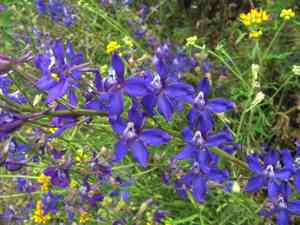
San bernardino larkspur (Delphinium parryi)
Also known as: Dune larkspur, Maritime larkspur
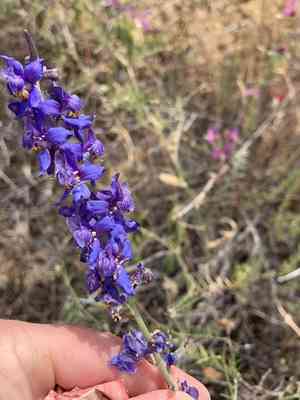
The San Bernardino larkspur (Delphinium parryi ssp. parryi) is distinguished by its tall, slender stems adorned with deep blue to purple flowers, each featuring a characteristic spur at the back. It can grow up to 2 meters in height. This plant flourishes in sunny meadows, chaparral, and open woodland areas, particularly in the San Bernardino Mountains and nearby regions of southern California. The larkspur's long stalks rise above a base of deeply lobed, green leaves. Its vivid flowers are highly attractive to various pollinators, playing a key role in its reproductive cycle.
In This Article
Attributes of San bernardino larkspur
Lifespan
Perennial
Plant Type
Herb
Plant Height
Up to 1.5 meters
Spread
Not applicable
Leaf Color
Grayish-green
Flower Size
2 to 3 centimeters
Flower Color
Blue to purple
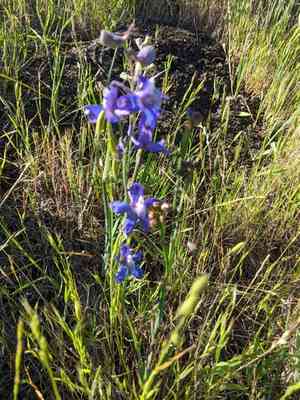
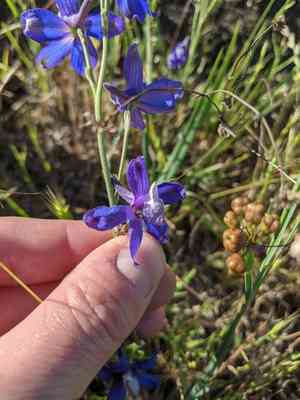
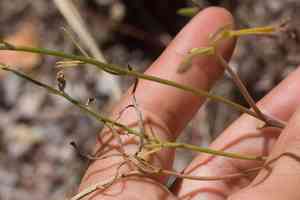
Images of San bernardino larkspur
Quickly Identify San bernardino larkspur
1
The plant can be identified by its tall, erect flowering stem, which can reach up to 1.5 meters in height. The leaves are deeply lobed, grayish-green, and basal. The flowers are typically blue to purple with a prominent spur extending backward from the petals.
Scientific Classification of San bernardino larkspur
Phylum
Vascular plants
Class
Dicotyledons
Order
Ranunculales
Family
Buttercup
Genus
Larkspurs
Species
San bernardino larkspur
Planting and Growing of San bernardino larkspur
Care Difficulty
Moderate
Watering Schedule
Every 3 days
Sunlight Requirements
Full sun
Sunshine Duration
4-8 hours
Ideal Temperature
60-75℉
Soil Type
Potting Mix, Peat Mix
Soil pH
6.5-7.5
Fertilizer Type
Balanced
Pruning Season
Spring, Summer
Pruning Area
Branches, Leaves
Pruning Frequency
2 times a year
Repotting Season
Spring
Pot Type
Plastic, Ceramic
 How to Water San bernardino larkspur?
For Delphinium parryi, the watering amount should aim to provide the plant with enough moisture to penetrate the top 2-3 inches of soil without causing waterlogging. This typically equates to about 250 ml per watering session, ensuring the roots are adequately hydrated but not drowned.
What are the symptoms of an underwatered San bernardino larkspur?
›
What should I do if my San bernardino larkspur is not getting enough water?
›
What are the symptoms of an overwatered San bernardino larkspur?
›
How to save an overwatered San bernardino larkspur?
›
 What Are the Sunlight Requirements for San bernardino larkspur?
Delphinium parryi prefers partial to full sun exposure, benefiting from morning sunlight. Adequate light exposure ensures robust growth, vibrant blooms, and reduced pest infestations.
What is the ideal lighting for Delphinium parryi?
›
How can I achieve the ideal lighting for my Delphinium parryi?
›
What are the benefits of ideal lighting for Delphinium parryi?
›
 What Is the Ideal Temperature Range for San bernardino larkspur?
Delphinium parryi thrives best when temperatures are between 60 to 75 degrees Fahrenheit. This range provides optimal conditions for growth, encouraging robust foliage and vibrant blooms. Maintaining this temperature range can help prevent stress and promote healthy development.
 What Soil is Best for San bernardino larkspur?
Delphinium parryi thrives in well-drained soil, which prevents waterlogging and root rot. This characteristic ensures that the plant's roots have access to oxygen and nutrients, promoting healthy growth and vibrant blooms. A nutrient-rich substrate is essential for Delphinium parryi's vibrant growth. The plant flourishes when the soil is abundant in organic matter, providing essential nutrients for strong stem development and lush foliage. This plant prefers soil with moderate moisture retention, which balances water supply without over-saturation. Adequate moisture levels support stable growth and flowering without causing stress to the plant.
 How to Fertilize San bernardino larkspur?
For Delphinium parryi, it's crucial to apply fertilizers judiciously, ensuring sufficient nutrients without overwhelming the plant. A balanced 10-10-10 formula works well, applying about 1/4 cup per plant for solid fertilizers. For liquid fertilizers, mix 1 tablespoon per gallon of water.
 How to Prune San bernardino larkspur?
Begin your pruning session by looking for any stems that appear dead, damaged, or diseased. Removing these allows the plant to focus its energy on healthy growth and reduces the risk of disease spread. When making cuts, do so just above a leaf node or bud. This encourages new growth from that point, leading to a fuller, more bushy appearance. The plant naturally directs its energy to these nodes. Trim the plant to maintain its desired shape. Delphinium parryi can become quite tall and leggy, so regular shaping prevents it from becoming top-heavy and emphasizes a balanced appearance.
More About Pruning Techniques→
 How to Propagate San bernardino larkspur plant?
1
Soak Delphinium seeds in water for 24 hours prior to sowing to break dormancy. Scarify if necessary to facilitate germination, and sow seeds in seed trays filled with well-draining soil.
2
Select healthy, non-flowering stems and use pruning shears to cut a length of about 4-6 inches. Dip the cutting ends in rooting hormone before placing them in a moist growing medium.
3
Lift the entire plant from the soil and divide the root ball with a sharp knife. Ensure each division has roots and stems attached and replant immediately in new locations.
 How to Repot San bernardino larkspur plant?
1
Delphinium parryi should be repotted when you observe roots growing through the drainage holes or when the plant appears to be outgrowing its container. This usually occurs every couple of years and is a sign that the plant's growth has exceeded the capacity of its current pot. Repotting will ensure that the roots have ample space to continue their healthy development.
2
When selecting a pot for Delphinium parryi, opt for one that is only slightly larger than its current pot, ideally 1 to 2 inches wider in diameter. A pot with sufficient drainage holes is crucial to prevent waterlogging, which can lead to root rot. A terracotta pot is especially beneficial as it allows excess moisture to evaporate, reducing the risk of overwatering.
3
Select a soil mix that is well-draining yet retains enough moisture for the plant's needs, such as sandy loam with added organic matter. The right soil will help maintain the necessary moisture balance and provide essential nutrients, fostering healthy growth and vibrant blooms.
Toxicity
Ingestion
WARNING
The judgment on toxicity and danger is for reference only. We DO NOT GUARANTEE any accuracy of such judgment. Therefore, you SHALL NOT rely on such judgment. It is IMPORTANT TO SEEK PROFESSIONAL ADVICE in advance when necessary.
Learn More About San bernardino larkspur Diseases
Anthracnose
Bacterial Leaf Spot
Bacterial Soft Rot
Bacterial Wilt
Black Spot
Chemical Injury
Crown Gall
Cyst Nematode
Damping-off
Downy Mildew
Drought Stress
Fusarium Wilt
Gray Mold
Leaf Curl
Leaf Spot
Mosaic
Nutrient Deficiency
Nutrient Toxicity
Powdery Mildew
Root Rot
Root-knot Nematode
Rusts
Sooty Mold
Spider Mites
Temperature Stress
Thrips Damage
White Mold



