How to Propagate San bernardino larkspur?
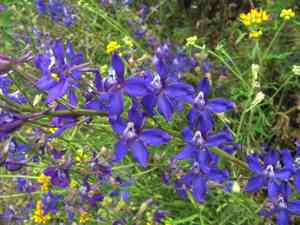
Delphinium parryi is a vivid perennial recognized for its impressive blue or violet blossoms. Reproduction is generally achieved by planting seeds directly into adequately drained earth. Utilizing new seeds is vital due to their superior sprouting percentages. Guarantee steady hydration, yet prevent excessive saturation. Both duration and perseverance are necessary, given that sprouting may be gradual. Enhancing the soil with organic material can additionally foster more robust development and effective propagation.
Optimal Time for San Bernardino Larkspur Propagation
Propagation Method
Seeding
Propagation Period
Spring
Essential Tools for San Bernardino Larkspur Propagation
Seed Trays or Flats
These containers facilitate organized seed sowing, offering sufficient room and drainage for initial sprouting. They enable efficient watering and simple monitoring of seedling growth.
Seed Starting Mix
A sterile, well-draining substrate that supports seed germination and early development by providing necessary aeration and moisture retention. It's crucial for minimizing damping-off disease risk in seedlings.
Humidity Dome
A transparent plastic cover used with seed trays to maintain high humidity levels around seeds, promoting quicker and more consistent germination. This is especially beneficial for ensuring a stable environment for san bernardino larkspurâs germination.
Spray Bottle
Utilized to apply a fine water mist to seeds without dislodging them. This helps maintain appropriate moisture levels in the seed starting mix, vital for san bernardino larkspur germination.
Heat Mat
Supplies bottom warmth to seed trays, ensuring the soil temperature stays ideal for seed germination. Consistent heat accelerates sprouting and encourages uniform seedling growth.
Labeling Stakes
Small markers placed in seed trays to track different plant varieties. Accurate labeling is critical for monitoring growth stages and ensuring proper care specific to san bernardino larkspur.
Fine Sieve
Used to cover seeds with a thin layer of soil or seed starting mix after sowing. This aids in achieving proper seed-to-soil contact and protects seeds from being washed away during watering.
Small Hand Tool Set (Trowel and Dibber)
These tools assist in sowing seeds at the correct depth and spacing. A trowel is useful for preparing the soil surface, while a dibber helps in making small holes for seed placement.
How to Propagate San Bernardino Larkspur?
Propagation Type
Simple
Post-Propagation Care for San Bernardino Larkspur
Post-Propagation Care for San Bernardino Larkspur
After moving san bernardino larkspur seedlings outdoors, ensure they are in a spot with ample sunlight and well-drained soil. Water regularly but avoid overwatering. Apply mulch around the plant bases to retain moisture and suppress weeds. Monitor for pests and diseases, taking action as needed. Deadhead spent flowers regularly to encourage more blooms and maintain plant health.
Common Errors to Avoid When Propagating San Bernardino Larkspur
Overwatering
Excessive moisture can lead to root rot, hindering root development and overall plant vitality.
Inadequate Drainage
Poorly draining soil can cause water to accumulate around roots, leading to fungal infections.
Improper Soil Selection
Using soil that is too rich in organic matter can retain too much moisture and not provide the well-draining environment required for san bernardino larkspur.
Ignoring Soil pH
Failing to maintain the slightly acidic to neutral pH (6.0-7.0) can affect nutrient availability and absorption.
Incorrect Planting Depth
Planting san bernardino larkspur too deep can suffocate the roots, leading to poor growth or plant death.
Tips For Propagating San Bernardino Larkspur
Well-draining Soil
Utilize a sandy or loamy soil mixture to ensure proper drainage and prevent root rot.
Moderate Watering
Water sparingly, ensuring the soil remains moist but not waterlogged to promote healthy root development.
Use of Rooting Hormone
Applying a rooting hormone can increase the chances of successful root formation on cuttings.
Gentle Handling
Handle cuttings carefully to avoid damaging delicate parts, thus ensuring they have the best chance to root.
Light Exposure
Provide indirect light during the rooting phase to avoid stressing the cuttings while they establish roots.



