How to Prune Foothill larkspur?
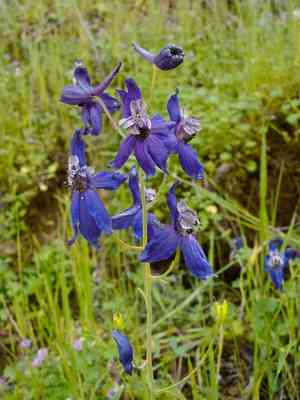
Delphinium patens is recognized for its impressive towering inflorescences and vivid blossoms. Trim Delphinium patens in the latter part of winter or early spring prior to the appearance of new shoots. Eliminate any deceased or compromised stalks to foster robust development and improve air circulation. Snip off faded flower stalks subsequent to flowering to stimulate additional blooms and vitality. Consistent trimming aids in preserving form, diminishing disease susceptibility, and augmenting floral display. To achieve optimal outcomes, consistently employ sanitized, keen implements and refrain from extensive pruning beyond the suggested periods.
What Are the Benefits of Pruning Foothill Larkspur?
What Are the Benefits of Pruning Foothill Larkspur?
Trimming foothill larkspur encourages robust development and maintains its form. It boosts blooming by directing the plant's vitality towards fresh flowers and aids in managing plant size, enhancing garden appeal. Furthermore, it assists in resistance to pests and diseases.
What Is the Best Time for Pruning Foothill Larkspur?
What Is the Best Time for Pruning Foothill Larkspur?
Trimming in late winter or early spring is ideal for foothill larkspur as it coincides with the plant's dormant phase before new growth starts. Pruning during these periods fosters healthy development, lowers disease risk, and allows the plant to recuperate and channel energy into flowering. This timing helps ensure foothill larkspur will have a strong and vibrant blooming season.
What Tools Do I Need to Prune Foothill Larkspur?
Bypass Pruners
Excellent for making neat, precise cuts on the tender stems of foothill larkspur. Crucial for removing faded flowers to stimulate new blooms.
Sharp Scissors
Perfect for snipping smaller stems and dead foliage. Provides the control and accuracy needed for detailed trimming tasks.
Hand Pruners
Useful for cutting slightly thicker stems if foothill larkspur becomes woody over time. Ensure they are sharp to avoid crushing stems.
Gloves
Protects hands from potential skin irritation and makes handling the plant more comfortable.
How to Prune Foothill Larkspur
Assess
Carefully examine foothill larkspur for any diseased or withered foliage. This initial evaluation will help prioritize the areas requiring attention.
Prepare tools
Gather appropriate trimming implements such as sterilized pruning shears or scissors. Sanitize tools to prevent the spread of pathogens.
Remove diseased leaves
Trim diseased leaves by cutting them at their base. Ensure cuts are made cleanly to avoid harming healthy tissue. Dispose of diseased leaves in a sealed bag to prevent contamination.
Trim withered leaves
Snip off any withered leaves, pruning at the base close to the stem. This helps the plant conserve energy and promotes healthy new growth.
Evaluate remaining foliage
Reassess foothill larkspur to confirm all diseased and withered leaves have been removed. Adjust any additional cuts needed to maintain the plant's aesthetic shape.
Common Pruning Mistakes with Foothill Larkspur
Over-pruning
Removing too much of the plant at once can impede foothill larkspur's growth and diminish its flowering capacity.
Improper tool use
Utilizing dull or unsuitable tools can result in jagged cuts, leading to plant damage or disease.
Neglecting deadheading
Failing to remove spent flowers can prevent the plant from concentrating its energy on new growth.
Pruning during active growth
Cutting during periods of active growth can stress the plant and lead to poor recovery.
Common Pruning Tips for Foothill Larkspur
Sanitize tools
Always clean pruning tools before use to prevent the spread of disease. Disinfecting tools with a mild bleach solution is effective.
Make clean cuts
Use sharp, clean pruning shears to make precise cuts just above a leaf node or bud to promote healthy regrowth.
Practice deadheading
Regularly remove spent flowers to encourage additional blooming and prevent seed formation, which can sap the plant's energy.
Focus on stems
Prune back stems individually to control the size and shape of foothill larkspur, cutting back to a healthy, outward-facing bud to maintain an open, airy structure.



