How to Propagate Foothill larkspur?
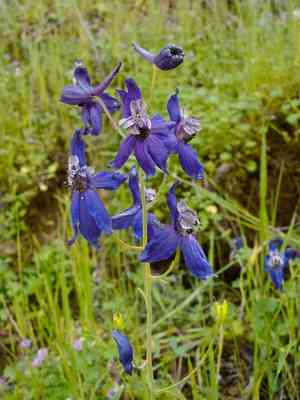
The primary method for propagating Foothill larkspur is via seeding. Begin by gathering fully developed seeds from the specimen and planting them in a substrate that drains effectively. Verify that the surrounding temperature is appropriate and maintain consistent moisture in the soil without oversaturation. Gently cover the seeds with a thin layer of earth and offer filtered light to aid sprouting. After the young plants appear and become robust, carefully relocate them to their final spot, allowing ample room for development.
Optimal Time for Foothill Larkspur Propagation
Propagation Method
Seeding
Propagation Period
Spring
Tools for Foothill Larkspur Propagation
Seed Trays
Seed trays are vital for sowing, offering a controlled setting necessary for foothill larkspur germination. They provide individual compartments for seeds, ensuring ample space for growth without nutrient competition.
Potting Soil
Premium potting soil is essential for foothill larkspur's germination and initial growth. It supplies vital nutrients, good drainage, and aeration to support healthy seed development.
Seedling Heat Mat
A seedling heat mat helps maintain the ideal soil temperature for germination. Foothill larkspur thrives with consistent warmth, which speeds up germination and enhances seedling vigor.
Humidity Dome
Placed over seed trays, humidity domes trap moisture and warmth, creating a greenhouse effect. This environment is perfect for foothill larkspur's early growth, preventing seeds from drying out.
Fine Spray Water Bottle
A fine spray water bottle allows for gentle watering, ensuring foothill larkspur seeds stay moist without being dislodged or overly disturbed. This is crucial for consistent moisture during germination.
Grow Lights
Grow lights provide the necessary light spectrum for photosynthesis, especially if natural light is insufficient. For foothill larkspur, ensuring adequate light exposure is critical for robust and healthy seedlings.
Labeling Stakes
Labeling stakes or markers are important for identifying different batches of sown foothill larkspur. Proper labeling helps track germination rates and specific needs of various seed groups.
Sterilized Tools
Using sterilized tools, such as tweezers or small scoops, prevents contamination of seeds and soil. Foothill larkspur seeds are susceptible to pathogens, which clean tools can prevent.
How to Propagate Foothill Larkspur?
Propagation Type
Simple
Caring for Newly Propagated Foothill Larkspur
Caring for Newly Propagated Foothill Larkspur
After transplanting, ensure foothill larkspur receives sufficient water, especially during dry spells, by keeping the soil consistently moist but not waterlogged. Apply mulch around the plant bases to retain soil moisture and suppress weeds. Provide support for taller varieties to prevent them from falling over. Regularly check for pests and diseases, and remove any damaged foliage to encourage healthy growth.
Common Propagation Errors for Foothill Larkspur
Overwatering
Excessive watering can lead to root rot and fungal infections, severely damaging foothill larkspur's delicate root system.
Inadequate Drainage
Failure to ensure proper soil drainage can result in waterlogged conditions, impeding root development and causing plant stress.
Using Poor Soil
Soil that is too dense or lacks nutrients can hinder growth and reduce the viability of cuttings or seeds.
Ignoring Light Requirements
Providing either too much or too little sunlight can weaken foothill larkspur, making it vulnerable to pests and diseases.
Incorrect Cutting Technique
Improperly taking cuttings (wrong plant part or incorrect cut length) can decrease the chance of successful rooting.
Lack of Patience
Rushing the propagation process or disturbing rooting cuttings too early can lead to failure or weak plants.
Tips for Propagating Foothill Larkspur
Use Well-Draining Soil
Ensure the soil mix is light and drains well to prevent water accumulation and root rot.
Water Moderately
Water cuttings sparingly, keeping the soil moist but not soggy, to encourage healthy root development.
Provide Adequate Light
Position in a spot with bright, indirect sunlight to ensure sufficient light without scorching the foliage.
Ensure Appropriate Humidity
Maintain a humid environment using a plastic cover or a greenhouse to promote rooting.
Sterilize Tools
Use sterilized cutting tools to prevent infections and disease spread in foothill larkspur.
Monitor Regularly
Check the progress of cuttings regularly to ensure they are rooting properly and make necessary adjustments.



