How to Prune Hansen's larkspur?
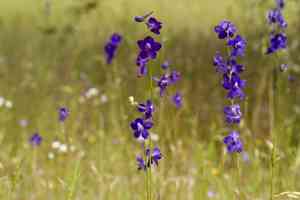
Hansen's larkspur, recognized for its elevated stalks of vivid blossoms, thrives with trimming to foster robust development and blooming. The ideal periods for cutting back hansen's larkspur are in late winter or early spring, prior to the emergence of fresh growth. Cut down spent flower stalks to their origin to stimulate a denser form. Eliminate any lifeless or impaired limbs to preserve the plant's well-being. Pruning not only sculpts hansen's larkspur but also improves air circulation, diminishing the likelihood of illness.
What Are the Benefits of Pruning Hansen's Larkspur?
What Are the Benefits of Pruning Hansen's Larkspur?
Trimming hansen's larkspur encourages robust development and helps maintain its form. It boosts blooming by eliminating spent flowers, enhances air movement, and lowers disease risk, leading to a healthier, stronger plant.
What Is the Best Time for Pruning Hansen's Larkspur?
What Is the Best Time for Pruning Hansen's Larkspur?
Pruning hansen's larkspur in late winter or early spring is ideal due to its dormant phase and growth cycle. During these periods, hansen's larkspur is not actively growing, which minimizes stress and potential harm. Early spring trimming allows for new growth in the subsequent season, fostering a healthier structure and abundant flowering. Additionally, pruning at these times helps shape the plant before its growth period begins, ensuring better air circulation and reducing disease susceptibility.
What Tools Do I Need to Prune Hansen's Larkspur?
Bypass Pruners
Perfect for making precise cuts on live stems, which helps prevent harm and illness. Bypass pruners are especially suitable for the slender, delicate stems of hansen's larkspur.
Precision Pruners
These smaller pruners are excellent for deadheading and careful trimming of smaller blooms, ensuring the tool can access tight spaces without harming adjacent stems.
Snips or Floral Scissors
Useful for deadheading smaller flowers or cutting spent flower stalks. Their accuracy is crucial for the delicate structure of hansen's larkspur.
Pruning Knife
Helpful for detailed cuts, particularly when dealing with hard-to-reach or awkwardly positioned stems. A sharp blade ensures clean cuts that promote healthy regrowth.
How to Prune Hansen's Larkspur
Inspect
Regularly check hansen's larkspur for any indications of diseased or withered foliage, ensuring prompt identification of areas needing attention.
Sterilize
Sanitize pruning tools with a solution of one part bleach to nine parts water to prevent the spread of pathogens.
Remove Diseased Leaves
Carefully trim away any diseased leaves, cutting back to healthy tissue. Dispose of these leaves away from the garden to prevent reinfection.
Remove Withered Leaves
Cut off any withered or dead leaves at their base using sharp, clean scissors or pruning shears, ensuring a clean cut to promote healthy regrowth.
Dispose
Properly discard all trimmed plant material in a compost bin or as municipal waste. Do not leave it on the ground as it can harbor pests and diseases.
Common Pruning Mistakes with Hansen's Larkspur
Over-pruning
Removing too many stems and leaves can weaken hansen's larkspur, reducing its ability to photosynthesize and store energy.
Incorrect cutting technique
Making improper cuts, such as tearing or crushing the plant tissue, can leave hansen's larkspur susceptible to diseases and pests.
Pruning at the wrong nodes
Cutting too close to the main stem or at the wrong place on the branch can prevent new growth and lead to an unbalanced structure.
Ignoring dead or diseased material
Failing to remove dead, diseased, or damaged parts can spread infections and reduce the plant's vigor.
Common Pruning Tips for Hansen's Larkspur
Use sharp tools
Utilize sharp, sterilized pruning shears to make clean cuts, preventing damage and reducing the risk of disease transmission.
Make angle cuts
Cut stems at a slight angle to ensure water does not pool on the cut surface, which can lead to rot.
Remove dead wood
Regularly remove dead, damaged, or diseased branches to promote healthy growth and prevent pests.
Thin overcrowded areas
Trim overcrowded areas to improve air circulation and light penetration, which encourages robust growth and prevents fungal infections.
Support stems
For taller specimens, provide adequate support to prevent breakage after pruning, especially during the flowering period.



