How to Propagate Hansen's larkspur?
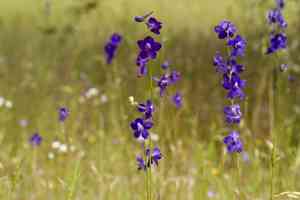
Hansen's larkspur flourishes from its seeds, so begin by gathering mature seeds from established specimens. Plant seeds directly into adequately drained earth, ensuring a location with ample sunlight and measured irrigation to foster sprouting. Consistent thinning of densely packed young plants encourages robust development. Considering hansen's larkspur requirements, refrain from excessive fertilization to avert elongated stalks and diminished bloom production.
Optimal Time for Hansen's Larkspur Propagation
Propagation Method
Seeding
Propagation Period
Spring
Tools for Hansen's Larkspur Propagation
Seed Trays
Seed trays offer a controlled setting for planting hansen's larkspur seeds. They facilitate organized sowing and efficient use of space. Their design ensures proper drainage and air circulation, crucial for minimizing fungal disease risks.
Seedling Heat Mat
A seedling heat mat helps maintain the ideal soil temperature for germination. For hansen's larkspur, consistent warmth is vital for breaking seed dormancy and promoting faster seedling development.
Fine Mist Sprayer
A fine mist sprayer ensures the delicate hansen's larkspur seeds receive adequate moisture without being displaced or harmed. Proper hydration encourages healthy germination and seedling growth.
Clear Plastic Dome
A clear plastic dome placed over seed trays retains humidity and creates a mini-greenhouse effect, essential for maintaining consistent moisture and warmth, both important for the successful germination of hansen's larkspur.
Labeling Stakes
Labeling stakes help keep track of different seed batches and planting dates. Identifying hansen's larkspur in a mixed tray ensures proper care and monitoring throughout the propagation process.
Sterile Potting Mix
A sterile potting mix reduces the risk of soil-borne diseases that can affect young hansen's larkspur seedlings. A well-drained, nutrient-rich medium supports robust root development.
Tweezers
Tweezers aid in handling and precisely sowing the tiny hansen's larkspur seeds without causing damage. Accurate planting helps ensure even spacing and improved germination rates.
Light Source (Grow Lights)
Supplemental grow lights provide the necessary light intensity and duration, especially if natural light is insufficient. Adequate lighting is vital for the healthy growth of hansen's larkspur seedlings.
Humidity Tray
A humidity tray beneath the seed trays helps maintain the correct moisture level around hansen's larkspur seedlings, preventing them from drying out and ensuring uniform growth conditions.
Pencil or Dibber
A pencil or dibber helps create small holes in the potting mix for planting seeds. This tool ensures hansen's larkspur seeds are buried at the appropriate depth, crucial for optimal germination.
How to Propagate Hansen's Larkspur?
Propagation Type
Simple
Caring for Newly Propagated Hansen's Larkspur
Caring for Newly Propagated Hansen's Larkspur
After propagation, move seedlings to their permanent spot once they have at least one or two sets of true leaves. Choose a location with well-draining soil and full to partial sun. Space plants to allow good air circulation. Water regularly to keep the soil moist but not waterlogged, and mulch around the base to retain moisture. Monitor for pests and diseases, and provide support as hansen's larkspur plants grow tall. Regularly remove spent flowers to encourage more blooms and prevent self-seeding.
Common Propagation Mistakes for Hansen's Larkspur
Overwatering
Causes root rot and fungal diseases, which can severely harm hansen's larkspur's health.
Improper Soil Choice
Using soil that holds too much water or lacks proper drainage can impede root development.
Excessive Fertilization
High levels of nutrients can burn the plant's roots and inhibit growth.
Poor Light Conditions
Placing hansen's larkspur in low light environments can result in weak, leggy growth.
Neglecting Seed Stratification
Skipping cold stratification can prevent hansen's larkspur's seeds from germinating effectively.
Tips for Propagating Hansen's Larkspur
Well-Draining Soil
Use a sandy or loamy soil mix to ensure good drainage and prevent waterlogging.
Moderate Watering
Keep the soil moist but not waterlogged to avoid root rot while supporting healthy growth.
Appropriate Light
Provide bright, indirect light to ensure strong and sturdy growth.
Cold Stratification
Subject seeds to cold stratification by refrigerating them for several weeks before planting to improve germination rates.
Avoid Over-Fertilizing
Use a balanced, diluted fertilizer occasionally to support growth without overwhelming the roots.



