How to Prune Clark valley larkspur?
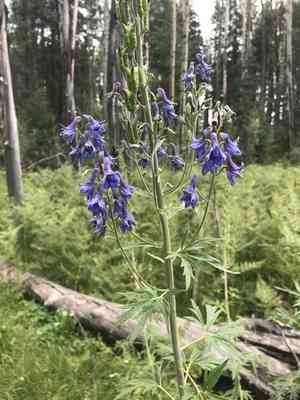
Clark valley larkspur is recognized for its vivid, elevated floral stalks and profoundly incised foliage. The most effective periods for trimming are from late winter to early spring, which fosters robust development and amplifies blossom production. Swiftly remove faded flower spikes to stimulate ongoing flowering and preserve the plant's well-being. A key point is to refrain from extensive pruning in autumn to safeguard against harm during colder months. Consistent removal of spent blooms can hinder seed development and prolong the flowering season, guaranteeing a strong and appealing garden presentation.
What Are the Benefits of Pruning Clark Valley Larkspur?
What Are the Benefits of Pruning Clark Valley Larkspur?
Trimming clark valley larkspur promotes robust growth, maintains its form, enhances blooming, manages plant size, and boosts resistance to pests and diseases.
What Is the Best Time for Pruning Clark Valley Larkspur?
What Is the Best Time for Pruning Clark Valley Larkspur?
Trimming clark valley larkspur in early spring or late winter aligns perfectly with its natural growth cycle. During these periods, clark valley larkspur is in a dormant or less active state, which minimizes stress and allows for quick recovery. Pruning at these times also improves air circulation and reduces disease risk, fostering healthier growth and more abundant flowering in the upcoming season.
What Tools Do I Need to Prune Clark Valley Larkspur?
Bypass Pruners
Bypass pruners are excellent for making precise cuts on living stems and branches, which helps minimize plant damage. This is crucial for maintaining the health of clark valley larkspur.
Hand Pruners
Hand pruners are useful for snipping smaller stems and performing minor trimming tasks. They are essential for accurate shaping and pruning of clark valley larkspur.
Deadheading Shears
Deadheading shears are specifically designed for removing spent blooms. Regular deadheading encourages continuous flowering and keeps clark valley larkspur looking neat.
Pruning Saw
A small pruning saw is beneficial for cutting thicker stems or addressing any dead wood. It's vital for larger pruning jobs without harming the plant.
Gloves
Protective gloves are necessary to prevent injuries from sharp tools and to provide a better grip. They also safeguard the plants from accidental harm.
How to Prune Clark Valley Larkspur
Assess
Examine clark valley larkspur to identify any diseased or withered foliage.
Prepare
Utilize clean, sharp pruning shears to prevent the spread of pathogens.
Remove Diseased
Carefully snip away any diseased leaves, cutting just below the affected area to ensure complete removal.
Remove Withered
Trim withered leaves by cutting them back to the base or to the nearest healthy part of the stem.
Dispose
Properly discard the trimmed leaves to prevent disease spread, avoiding composting if they are diseased.
Common Pruning Mistakes with Clark Valley Larkspur
Pruning too early or late in the season
Trimming outside the optimal timeframe can stress clark valley larkspur and diminish its blooming potential.
Cutting too much of the plant
Excessive pruning can weaken clark valley larkspur, making it more vulnerable to diseases and reducing its vitality.
Incorrect pruning technique
Using dull or unsuitable tools can result in jagged cuts which may lead to infections.
Not disinfecting tools
Failing to sanitize pruning tools between cuts can transmit diseases from one part of the plant to another.
Removing too many leaves
Leaves are crucial for photosynthesis; removing too many can impede the plant's ability to generate energy.
Common Pruning Tips for Clark Valley Larkspur
Use sharp, clean tools
Always use sharp and sanitized tools to make precise cuts and prevent the spread of diseases.
Remove dead or diseased stems
Cut back any dead, damaged, or diseased stems to encourage healthy growth and prevent the spread of illness.
Cut just above a node
Make your cuts just above a node or leaf joint to promote new growth and better structure.
Thin out crowded areas
Ensure adequate air circulation by thinning out dense sections of clark valley larkspur, which helps prevent fungal issues.
Prune gently
Only remove up to one-third of the plant at a time to avoid excessive stress on clark valley larkspur.
Observe plant structure
Aim to maintain its natural shape, removing only what is necessary to encourage a balanced form.



