How to Prune Cape ivy?
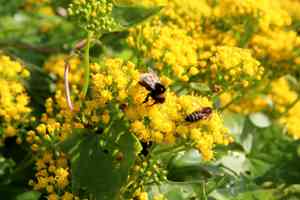
This robust climbing plant flourishes in diverse environments, frequently necessitating restriction. For cape ivy, perform rigorous pruning to control its invasive expansion. Eliminate complete stems, focusing on areas that are excessively large or unhealthy at any point, since cape ivy withstands trimming throughout the year. This action not only regulates its dimensions but also encourages fresh, more controllable development. The disposal of cuttings must be meticulous to avert further proliferation. Consistent trimming limits its spread, enhances air movement, and diminishes its potential to overpower indigenous plant life.
Advantages of Trimming Cape Ivy
Advantages of Trimming Cape Ivy
Trimming cape ivy is essential for managing its expansion, fostering more robust development, and maintaining a desired shape. Consistent cutting helps prevent excessive growth, ensuring cape ivy remains appealing and manageable in a garden environment.
Optimal Period for Trimming Cape Ivy
Optimal Period for Trimming Cape Ivy
Trimming cape ivy from late winter to early spring is ideal because the plant is still inactive, making it less vulnerable to pruning stress. This timing allows gardeners to sculpt the plant and regulate its growth without disrupting the natural flowering or growth cycles that occur in spring and summer. Given that cape ivy can be aggressive and invasive, pruning before the active growing season can help control its spread. Pruning at this time also enables the removal of any frost-damaged or diseased stems before the plant directs its energy into new growth. Furthermore, it's easier to discern the plant's structure without leaves, facilitating more precise cuts.
Necessary Tools for Trimming Cape Ivy
Hand Pruners
Perfect for cutting through the relatively soft stems of cape ivy. They provide clean cuts without harming the plant, promoting healthy regrowth.
Gloves
Since cape ivy may have sap that can cause skin irritation for some individuals, wearing gloves is advisable for protection during the pruning process.
Lopping Shears
Useful for reaching deeper into dense growths of cape ivy to prune larger stems that hand pruners cannot manage, ensuring more efficient clearing when necessary.
Pruning Saw
A pruning saw might be required for mature or woody stems of cape ivy that hand pruners and lopping shears cannot cut through.
Garden Shears
Excellent for shaping and controlling the overall size of cape ivy, especially when dealing with large patches or mats of growth.
Long-handled Pruners
These extend reach to higher or denser areas of cape ivy without overstretching the gardener, thereby preventing potential injury.
Rake
After pruning, a rake can assist in gathering and removing the clippings of cape ivy from the garden area.
How to Trim Cape Ivy
Disinfect
Sanitize pruning shears or tools to prevent the spread of disease when cutting parts of cape ivy.
Remove diseased and dead material
Carefully remove any diseased leaves, withered leaves, dead branches, and diseased branches from cape ivy by cutting them at their base, making clean cuts to avoid damaging healthy tissue.
Withered flowers
Snip off faded flowers from cape ivy to encourage new growth and prevent the plant from investing energy into seed production.
Dispose
Properly dispose of all removed material, away from healthy plants, to prevent the spread of any potential pathogens.
Clean up
Clean and disinfect your tools after pruning cape ivy to ensure they are ready for future use and to prevent disease transmission.
Common Trimming Errors with Cape Ivy
Excessive Pruning
Removing too much foliage from cape ivy can shock the plant, diminish its vitality, and potentially lead to disease due to the increased vulnerability of the exposed plant parts.
Using Dull Tools
Trimming cape ivy with dull tools can result in jagged cuts that do not heal properly, making the plant more susceptible to infection and pests.
Incorrect Cut Placement
Making cuts too far from the node can leave a stub that risks dieback, while cutting too close can damage the buds that are essential for new growth.
Improper Disposal
Neglecting to properly dispose of the trimmed parts of cape ivy can lead to its spread, as even small stem fragments can root and grow, considering that cape ivy is a highly invasive species.
Ignoring Plant Health
Failing to observe the health of cape ivy before pruning can result in additional stress to the plant if it is not in an optimal condition to handle the pruning process.
General Trimming Advice for Cape Ivy
Sanitize Tools
Clean and sterilize pruning tools before and after use to prevent the spread of disease within cape ivy and to other plants.
Sharp Cuts
Make clean, sharp cuts at a 45-degree angle just above leaf nodes to promote healthy regrowth and minimize the risk of infection.
Selective Pruning
Carefully select which vines and leaves to prune to shape cape ivy without overstressing the plant. Pruning should aim to remove only the necessary growth.
Control Invasiveness
Regularly prune cape ivy to manage its invasive tendencies, ensuring that it does not overtake garden spaces or natural areas.
Proper Disposal
Immediately place pruned material from cape ivy in a sealable bag to be disposed of with household waste or taken to a controlled composting facility that can handle invasive species.



