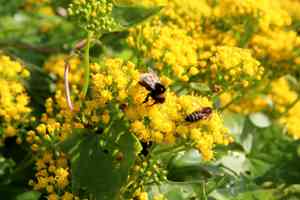
Cape ivy (Delairea odorata)
Also known as: Italian ivy, Parlor ivy, African ivy, Mile-a-minute
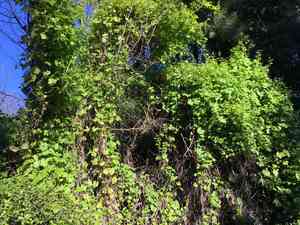
Cape ivy, initially brought to the United States as an attractive vining houseplant with yellow flowers, has turned into an invasive weed. It can overtake trees and shrubs and poses a threat to wildlife due to its toxicity.
In This Article
Attributes of Cape ivy
Lifespan
Perennial
Plant Type
Herb
Plant Height
3.5 m to 4.5 m
Spread
60 cm
Leaf Color
Green
Flower Size
2.5 cm
Flower Color
Yellow
Images of Cape ivy
Quickly Identify Cape ivy
1
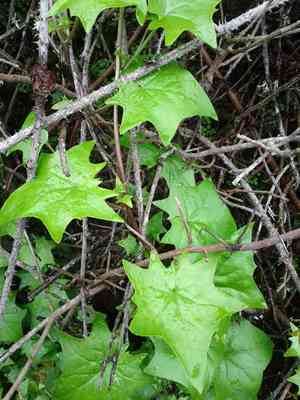
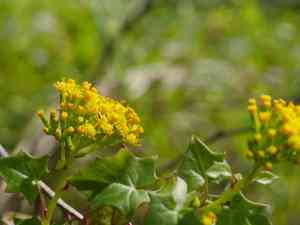
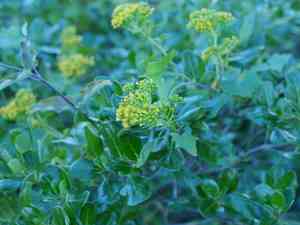
Delairea odorata can be recognized by its triangular, lobed leaves which have a glossy, bright green appearance. The plant often forms dense mats, climbing by means of aerial roots adhering to surfaces. The small, yellow flowers are arranged in loose clusters.
Scientific Classification of Cape ivy
Phylum
Vascular plants
Class
Dicotyledons
Order
Asterales
Family
Daisy
Genus
Cape ivy
Species
Cape ivy
Planting and Growing of Cape ivy
Care Difficulty
Easy
Watering Schedule
Every 2 days
Sunlight Requirements
Partial sun
Sunshine Duration
4-8 hours
Ideal Temperature
60-75℉
Soil Type
Potting Mix, Peat Mix
Soil pH
5.5-7.5
Fertilizer Type
Balanced
Pruning Season
Spring, Summer
Pruning Area
Branches, Leaves
Pruning Frequency
2 times a year
Repotting Season
Spring
Pot Type
Plastic, Ceramic
 How to Water Cape ivy?
Delairea odorata generally requires about 500 milliliters of water per session. This perennial vine prefers well-draining soil, requiring watering to be done until the top inch of soil is moist but not soggy. Overwatering can cause root rot, so it’s essential to let the soil dry slightly between waterings.
What are the symptoms of an underwatered Cape ivy?
›
What should I do if my Cape ivy is not getting enough water?
›
What are the symptoms of an overwatered Cape ivy?
›
How to save an overwatered Cape ivy?
›
 What Are the Sunlight Requirements for Cape ivy?
Partial to full shade is optimal, meaning it should avoid harsh, direct sunlight for more than a few hours daily. Ideal light helps maintain vibrant, healthy foliage.
More About Sunlight Requirements Techniques→
Optimal Sunlight for Growth
›
Ensuring Adequate Light Exposure
›
Benefits of Ideal Lighting
›
 What Is the Ideal Temperature Range for Cape ivy?
Delairea odorata thrives best in a temperature range of 60°F to 75°F. These conditions mimic their native environment, promoting optimal growth and ensuring healthy foliage. Temperatures within this range provide the perfect balance of warmth and humidity which is crucial for its metabolic processes.
 What Soil is Best for Cape ivy?
Delairea odorata thrives best in well-drained soil that prevents waterlogged conditions, which can lead to root rot. Good drainage ensures that the plant has an optimal environment for root aeration and nutrient uptake, promoting robust growth. While Delairea odorata is not overly demanding in terms of soil fertility, a moderately fertile soil with adequate organic content can enhance its lush foliage. The nutrients available in such soil types can significantly contribute to the plant’s vivid leaf color and overall health. Although the soil must be well-drained, it should also be capable of retaining enough moisture to keep the roots hydrated. This balance prevents the plant from drying out, maintaining steady growth and preventing stress from drought conditions.
 How to Fertilize Cape ivy?
For Delairea odorata, use a balanced liquid fertilizer diluted to half strength. Apply around 100-150 ml of diluted solution per plant, ensuring not to oversaturate the soil. The goal is to supply essential nutrients without risking root burn from over-fertilization.
 How to Prune Cape ivy?
To prune Delairea odorata, first don a pair of gloves to protect your skin from any irritation. Equip yourself with a pair of sharp, clean pruning shears. Begin by identifying the longest and most unruly vines. Make your cuts at a node, as this encourages the plant to develop thicker, bushier growth. Regularly remove any dead or damaged stems to ensure the plant directs its energy to healthy parts.
More About Pruning Techniques→
 How to Propagate Cape ivy plant?
1
Gather mature seeds from the plant in late spring. Ensure they are dry and store them in a cool, dry place until ready for planting. This ensures seed viability and reduces dampness-induced decay.
2
Using a sterilized garden shear, take 10-15 cm long cuttings from healthy stems. Strip the lower leaves to prevent rot and encourage rooting. Dip cut ends in rooting hormone for better success.
3
Carefully split the root ball into two or more sections each having roots and stems. Replant each section immediately in well-draining soil to avoid root desiccation and encourage adjustment.
 How to Repot Cape ivy plant?
1
Repot your Delairea odorata when you notice roots emerging from the pot's drainage holes or the plant's growth rate has noticeably slowed. These signs indicate that the roots have become pot-bound and it's time to provide more space for healthy growth.
2
Select a pot that is one to two sizes larger than the current one, with ample drainage holes. This ensures excess water can escape, preventing root rot. A slightly larger pot encourages the plant to focus growth on foliage rather than excessive root expansion.
3
Opt for a well-draining, rich potting mix with organic matter. Good drainage prevents waterlogging, while rich nutrients support lush foliage. Perlite or coarse sand can improve aeration and drainage, mimicking the plant's natural environment.
Toxicity
ingestion
WARNING
The judgment on toxicity and danger is for reference only. We DO NOT GUARANTEE any accuracy of such judgment. Therefore, you SHALL NOT rely on such judgment. It is IMPORTANT TO SEEK PROFESSIONAL ADVICE in advance when necessary.
Learn More About Cape ivy Diseases
Anthracnose
Bacterial Leaf Spot
Black Spot
Chemical Injury
Damping-off
Downy Mildew
Drought Stress
Fusarium Wilt
Gray Mold
Leaf Curl
Leaf Spot
Mosaic
Nutrient Deficiency
Nutrient Toxicity
Powdery Mildew
Root Rot
Root-knot Nematode
Rusts
Sooty Mold
Spider Mites
Temperature Stress
Thrips Damage
White Mold



