How to Prune Santa susana tarweed?
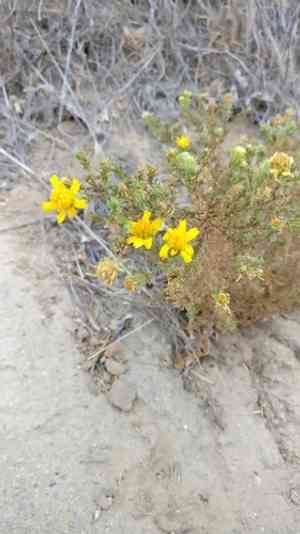
Santa Susana tarweed, recognized for its fragrant foliage and vivid yellow blossoms, thrives with regular trimming during spring, summer, and autumn. Essential methods involve excising deceased or injured limbs to foster vigorous development and carefully molding the plant to preserve its silhouette. The ideal period for this activity is after flowering in summer or early fall, preventing interference with nascent growth. Trimming enhances air movement, thereby diminishing pest problems and encouraging a sturdy framework, which guarantees abundant flowers and general plant well-being.
Advantages of Trimming Santa Susana Tarweed?
Advantages of Trimming Santa Susana Tarweed?
Trimming santa susana tarweed promotes robust development and helps maintain a desired form. By eliminating dead or diseased sections, it enhances the plant's overall vitality and look. Regular trimming can also boost blooming by encouraging new growth.
Optimal Time for Trimming Santa Susana Tarweed?
Optimal Time for Trimming Santa Susana Tarweed?
Trimming santa susana tarweed during Spring, Summer, and Fall aligns with its active growth period. Early Spring trimming aids in shaping the plant and stimulates new growth post-dormancy. Summer trimming prevents the plant from becoming too leggy and helps maintain its form during its peak growing season. Fall trimming prepares santa susana tarweed for the upcoming dormant phase, allowing it to conserve energy and establish a resilient structure. Avoid Winter trimming to prevent stress during its inactive period.
Necessary Tools for Trimming Santa Susana Tarweed?
Hand Pruners
Perfect for making accurate cuts on small branches and stems. Santa susana tarweed typically requires clean, sharp cuts to prevent harm.
Bypass Pruners
Useful for larger branches, ensuring clean cuts without crushing the stems. This is crucial for maintaining the plant's health and growth.
Pruning Shears
Beneficial for shaping and trimming santa susana tarweed, especially during the growing season to encourage a more compact shape and manage its bushy growth habits.
Pruning Knife
Helpful for detailed trimming tasks and removing any dead or damaged foliage, promoting better air circulation and overall plant health.
Loppers
Essential for cutting through thicker branches that hand pruners cannot manage. They provide the necessary leverage for precise cuts in harder-to-reach areas.
How to Trim Santa Susana Tarweed
Inspection
Examine santa susana tarweed for withered leaves. Identifying these dried and potentially diseased parts early helps in maintaining the plantâs health.
Preparation
Use sterilized pruning shears to prevent the spread of any pathogens. Ensure the blades are sharp for clean cuts.
Removal
Carefully snip the withered leaves at the base where they meet the stem. Avoid cutting into healthy tissue to prevent damaging the plant.
Disposal
Collect and safely dispose of the withered leaves away from the plant to prevent any potential spread of disease.
Observation
Monitor santa susana tarweed for any additional withering or signs of disease. Repeated inspection and maintenance help in early detection and overall plant health.
Common Trimming Errors with Santa Susana Tarweed
Excessive trimming
Removing too much of santa susana tarweed can lead to stress and reduced flowering. This plant benefits from restrained trimming.
Incorrect cutting methods
Using dull or dirty tools can damage the plant and introduce diseases. Always use sharp, clean pruning shears or scissors.
Trimming at the wrong spots
Cutting too close to the main stem or not just above a node can harm the plant's natural shape and health.
Neglecting damaged or diseased parts
Failing to remove damaged or diseased branches can lead to further health issues in santa susana tarweed.
General Trimming Advice for Santa Susana Tarweed
Utilize sharp and clean tools
Always ensure your pruning shears or scissors are clean and sharp to make precise cuts and avoid unnecessary damage.
Focus on unhealthy branches
Prioritize removing any dead, damaged, or diseased branches to promote overall plant health.
Trim for form
Trim santa susana tarweed to maintain its natural shape, making cuts just above a node to encourage new growth in the desired direction.
Limit trimming extent
Only remove up to one-third of the plant at a time to avoid causing stress and ensure it continues to flower properly.
Sanitize after each cut
To prevent the spread of disease, disinfect your tools after each cut, particularly when dealing with sick parts of the plant.



