How to Propagate Santa susana tarweed?
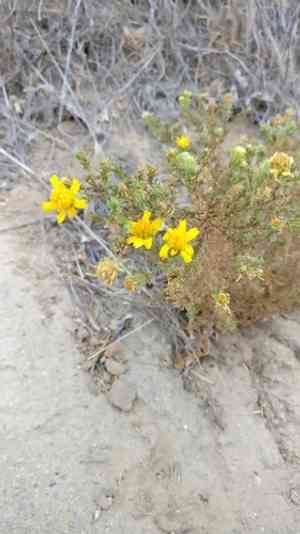
Santa Susana tarweed, a scarce Californian native, flourishes on stony inclines and in chaparral environments. Plant the seeds in soil that drains effectively, guaranteeing sufficient exposure to sunlight. Gently layer soil over the seeds and sustain dampness until sprouting occurs. After establishment, Santa Susana tarweed needs little irrigation and upkeep, rendering it perfect for arid-adapted gardens. Regular checks for infestations and ailments guarantee robust development.
Optimal Time for Santa Susana Tarweed Propagation
Propagation Method
Seeding
Propagation Period
Spring
Essential Tools for Santa Susana Tarweed Propagation
Seed Tray
Utilized for organized seed planting, offering each seed ample room for germination and growth. These trays also ensure proper drainage, crucial for preventing waterlogging and decay.
Seed Starting Mix
A specialized soil blend that is light, airy, and rich in nutrients. It encourages robust root development and germination, vital for the successful establishment of santa susana tarweed seedlings.
Spray Bottle
Employed for misting the soil and young plants, delivering the correct amount of moisture without disturbing seeds or causing erosion. This helps maintain the necessary humidity for santa susana tarweed seed germination.
Propagation Dome
Placed over the seed tray to create a humid and warm environment, which is essential for optimal germination conditions of santa susana tarweed. It aids in maintaining consistent temperature and moisture levels.
Heating Mat
Positioned beneath the seed tray to provide consistent bottom warmth, which can enhance the germination rate and speed for santa susana tarweed by maintaining an ideal soil temperature.
Label Stakes
Used to identify different planting stages or various seedling batches in the seed tray, ensuring proper tracking and organization. This is vital for monitoring the progress of santa susana tarweed seeds.
Tweezers or Small Forceps
Helpful for handling tiny seeds or delicate seedlings without causing harm. This tool is particularly beneficial for precise placement and spacing of santa susana tarweed seeds during sowing.
Sterilized Container
Used for mixing and storing seed starting mix or transporting seedlings. Sterility is crucial to prevent contamination and disease, which can be detrimental to the germination and growth of santa susana tarweed.
Watering Can with Fine Rose
Provides gentle irrigation, preventing soil disruption and ensuring seeds remain in place. This is important for maintaining moisture levels without harming the delicate seedlings of santa susana tarweed.
How to Propagate Santa Susana Tarweed?
Propagation Type
Easy
Caring for Your Newly Propagated Santa Susana Tarweed
Caring for Your Newly Propagated Santa Susana Tarweed?
Once santa susana tarweed seedlings are established, gradually reduce watering to encourage stronger root systems. Transplant them to their permanent spot in well-drained soil with full sun exposure. Regularly check for pests and provide occasional pruning to promote healthy growth and flowering. Apply mulch around the plants to retain moisture and suppress weeds.
Common Errors to Avoid When Propagating Santa Susana Tarweed
Overwatering
This can lead to root rot, especially since santa susana tarweed prefers well-drained soil.
Improper soil composition
Using soil that retains too much moisture or is too rich can hinder seed germination and root development.
Insufficient sunlight
Santa susana tarweed requires ample sunlight to thrive. Inadequate light can stunt growth and health.
Ignoring pest control
Failing to monitor for pests can lead to infestations that damage young plants.
Incorrect temperature conditions
Propagating santa susana tarweed in unsuitable temperature conditions can slow growth or damage the plants.
Tips For Propagating Santa Susana Tarweed
Use well-drained soil
Ensure the soil allows excess water to drain to prevent root rot.
Ensure full sunlight
Santa susana tarweed should be placed in an area that receives abundant sunlight throughout the day.
Monitor and control pests
Regularly check for and manage pests to protect vulnerable plants during the propagation phase.
Use appropriate water levels
Water sparingly and ensure the top layer of soil dries out between watering to mimic natural conditions.
Maintain suitable temperatures
Keep the propagation environment within the ideal temperature range for santa susana tarweed to promote healthy growth.



