How to Prune Blue mountain prairie clover?
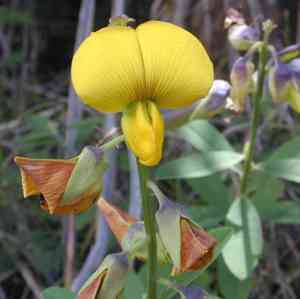
The blue mountain prairie clover, a perennial recognized for its vibrant blue blossoms and herbaceous nature, thrives with appropriate trimming. To stimulate vigorous development and boost flowering, trim blue mountain prairie clover in early spring as fresh sprouts emerge. Removing spent flowers after the initial summer bloom can encourage a subsequent flowering period. Trimming not only preserves an appealing form and dimension but also aids in preventing excessive density and illness, thereby safeguarding the well-being and strength of blue mountain prairie clover. Always employ sanitized, sharp implements to prevent harm to the plant.
Advantages of Trimming Blue Mountain Prairie Clover
Advantages of Trimming Blue Mountain Prairie Clover
Trimming blue mountain prairie clover promotes robust development and maintains its compact, rounded form, crucial for peak health and visual appeal. Regular cutting encourages fresh growth, enhancing its overall structure and vigor.
Optimal Period for Pruning Blue Mountain Prairie Clover
Optimal Period for Pruning Blue Mountain Prairie Clover
Pruning blue mountain prairie clover during Spring is ideal as it marks the start of its active growth phase. This timing allows blue mountain prairie clover to recover quickly from cuts and utilize the growing season to produce new growth, boosting flowering. Pruning in the Summer, especially early or mid-summer, can be beneficial for shaping the plant or managing its size, and it's still early enough to avoid hindering the plant's preparation for dormancy in the fall. Avoid late summer pruning as it can stimulate new growth that might not harden off before the frosts.
Tools Required for Pruning Blue Mountain Prairie Clover
Hand Pruners
Perfect for precise, clean cuts on blue mountain prairie clover's young and tender stems. Minimizes plant damage.
Gardening Shears
Effective for shaping and managing the size of blue mountain prairie clover, particularly useful during its periods of active growth.
Pruning Saw
Essential for removing thicker, woody stems that older blue mountain prairie clover specimens might develop, fostering healthy growth and preventing overcrowding.
How to Prune Blue Mountain Prairie Clover
Locate damaged sections
Inspect blue mountain prairie clover closely to find any diseased or withered leaves and stems that need removal. This helps prevent disease spread and encourages healthier growth.
Sanitize tools
Before starting the pruning process, ensure all pruning tools are sterilized. This prevents the transfer of pathogens to healthy parts of blue mountain prairie clover.
Remove diseased foliage
Carefully snip off all diseased and withered leaves. Make cuts close to the stem, ensuring you don't harm the healthy tissue. This step helps improve the overall health and look of blue mountain prairie clover.
Trim diseased stems
Cut back any diseased stems on blue mountain prairie clover to the base or to the point of healthy tissue. This practice helps stimulate new growth and protects the remaining healthy areas of the plant.
Clean up
Gather and dispose of all removed plant material away from healthy plants to reduce the risk of disease spread. Clean and sterilize tools again after finishing the pruning process.
Common Pruning Errors with Blue Mountain Prairie Clover
Excessive pruning
A frequent error is removing too much of blue mountain prairie clover's foliage, which can stress the plant and hinder its overall growth.
Cutting into mature wood
Gardeners often mistakenly prune into older wood where new buds are unlikely to form, which can impede the blooming potential of blue mountain prairie clover.
Incorrect tool use
Using dull or dirty pruning tools can result in jagged cuts, increasing blue mountain prairie clover's vulnerability to diseases.
General Pruning Advice for Blue Mountain Prairie Clover
Targeted pruning
Focus on removing only the weak, dead, or overly dense stems to encourage stronger, healthier growth without overtaxing blue mountain prairie clover.
Maintain plant form
Prune to preserve the natural shape of blue mountain prairie clover, enhancing its visual appeal while promoting good air circulation through the branches.
Clean cuts
Always use sharp, clean pruning shears to make precise cuts. This helps prevent damage and potential disease entry points on blue mountain prairie clover.



