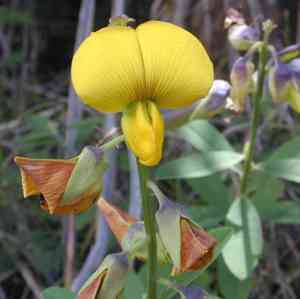
Blue mountain prairie clover (Dalea ornata)
Also known as: Western Prairie Clover, Hoary Prairie Clover
*Dalea ornata*, commonly known as Blue Mountain prairie clover, is a perennial herb or subshrub classified under the subfamily Faboideae within the Fabaceae family (also known as the Pea Family).
In This Article
Attributes of Blue mountain prairie clover
Lifespan
Perennial
Plant Type
Herb
Plant Height
30 cm to 51 cm
Spread
Typically around 1 foot (30 cm)
Leaf Color
Grey-green
Flower Size
0.5 inches (1.3 cm)
Flower Color
Purple to pink
Images of Blue mountain prairie clover
Quickly Identify Blue mountain prairie clover
1
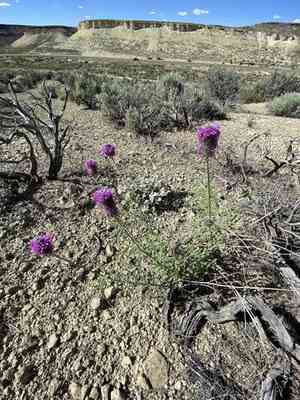
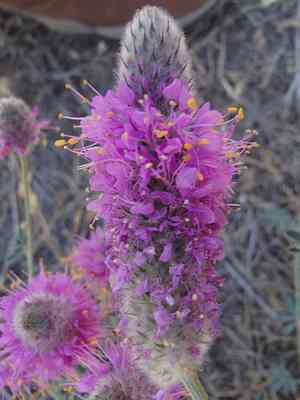
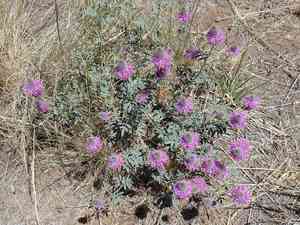
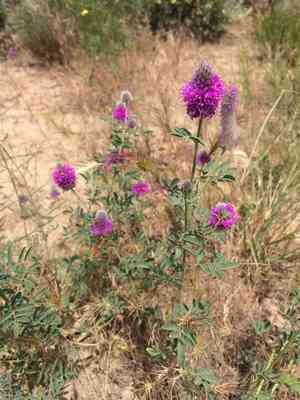
Dalea ornata can be identified by its pinnate leaves, purple to pink spike-like flower clusters, and its hoary appearance due to small hairs covering the plant. The foliage has a grey-green hue.
Scientific Classification of Blue mountain prairie clover
Phylum
Vascular plants
Class
Dicotyledons
Order
Fabales
Family
Legume
Genus
Prairie clover
Species
Blue mountain prairie clover
Planting and Growing of Blue mountain prairie clover
Care Difficulty
Easy
Watering Schedule
Every 2 days
Sunlight Requirements
Full sun
Sunshine Duration
6-10 hours
Ideal Temperature
60-75℉
Soil Type
Potting Mix, Peat Mix
Soil pH
6.5-7.5
Fertilizer Type
Balanced
Pruning Season
Spring, Summer
Pruning Area
Branches, Leaves
Pruning Frequency
Once a year
Repotting Season
Spring
Pot Type
Plastic, Ceramic
 How to Water Blue mountain prairie clover?
For Dalea ornata, it's crucial to achieve a balance when watering. You should water the plant thoroughly but allow the soil to dry out between waterings. The goal is to moist the soil to a depth of about 4 to 6 inches. Use approximately 250 ml of water per session, ensuring that water doesn't pool on the surface, indicating overwatering.
What are the symptoms of an underwatered Blue mountain prairie clover?
›
What should I do if my Blue mountain prairie clover is not getting enough water?
›
What are the symptoms of an overwatered Blue mountain prairie clover?
›
How to save an overwatered Blue mountain prairie clover?
›
 What Are the Sunlight Requirements for Blue mountain prairie clover?
Dalea ornata does best in full to partial sun, ideally receiving 6 to 10 hours of sun daily. This range enables robust blooming and vigorous growth, ensuring the plant remains healthy and vibrant.
Optimal Sunlight Intensity
›
Solution for Achieving Ideal Light
›
Benefits of Optimal Lighting
›
 What Is the Ideal Temperature Range for Blue mountain prairie clover?
The ideal temperature range for Dalea ornata is between 60°F and 75°F. This range provides optimal conditions for photosynthesis and growth, ensuring the plant remains healthy and vibrant. These temperatures mimic the natural environment where Dalea ornata thrives, which is essential for the plant's physiological processes.
 What Soil is Best for Blue mountain prairie clover?
Dalea ornata thrives in well-draining soils. This requirement is vital to prevent root rot, which can occur in waterlogged soils. Well-drained soil ensures that excess water moves away from the roots, keeping them healthy and strong. This plant prefers moderately fertile soils. Excessive nutrients can lead to lush foliage growth at the expense of flowers. Therefore, maintaining moderate fertility levels produces balanced growth with vibrant blooms. Dalea ornata is adapted to low organic matter content. Soils with minimal organic content mimic its native environments, helping prevent fungal diseases and supporting its natural growth pattern.
 How to Fertilize Blue mountain prairie clover?
For Dalea ornata, it's recommended to apply a moderate amount of liquid fertilizer, approximately diluted to half the recommended strength. Be cautious with the amount as too much can be detrimental to its growth.
 How to Prune Blue mountain prairie clover?
Look for discolored or wilting stems and prune them back to healthy wood. This helps to prevent any disease spread and keeps the plant thriving. Trim back any overgrown branches to maintain the desired shape of the plant. Focus on cutting above a node or a leaf set to encourage bushier growth. Prune lightly across the plant to stimulate new shoots. Pay attention to the plant's natural form, clipping selectively to enhance it without disrupting its overall structure.
More About Pruning Techniques→
 How to Propagate Blue mountain prairie clover plant?
1
For seed propagation, start by soaking the seeds of Dalea ornata in warm water for 12-24 hours to soften the seed coat. This process helps accelerate germination by allowing water to penetrate the seed more easily.
2
Select healthy, non-flowering stems for taking cuttings. Use a sharp knife or scissors to cut a 4-6 inch piece from the stem. Remove the lower leaves to reduce moisture loss and prepare it for rooting.
3
Plant the prepared seeds in seedling trays filled with potting soil. Cover them lightly with soil and water gently. Keep the trays in a warm, bright location but away from direct sunlight to encourage germination.
 How to Repot Blue mountain prairie clover plant?
1
Look for roots poking out of the drainage holes, soil compacted and not absorbing water, or plant growth slowing down in favor of root expansion. These are clear signs that it's time for repotting.
2
Select a pot that is one size larger than the current one to give roots room to expand. Ensure it has good drainage holes to prevent water logging, which enhances plant health by avoiding root rot.
3
Opt for a well-draining sandy soil mix that mimics its natural habitat. This type of soil prevents water retention, reducing the chances of root rot and providing excellent aeration for root health.
Learn More About Blue mountain prairie clover Diseases
Anthracnose
Bacterial Leaf Spot
Bacterial Wilt
Crown Gall
Cyst Nematode
Damping-off
Downy Mildew
Drought Stress
Fusarium Wilt
Gray Mold
Leaf Spot
Mosaic
Nutrient Deficiency
Nutrient Toxicity
Powdery Mildew
Root Rot
Root-knot Nematode
Rusts
Sooty Mold
Spider Mites
Temperature Stress
Thrips Damage
White Mold



