How to Propagate Blue mountain prairie clover?
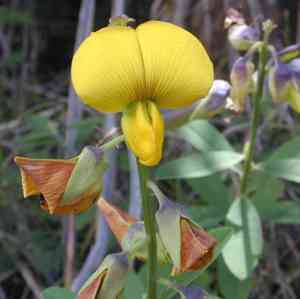
Blue mountain prairie clover flourishes when reproduced via cuttings, a technique ideal for preserving the genetic characteristics of this variety. Novices ought to choose robust, pathogen-free stem segments for the best outcome. Employing sharp, sanitized instruments for precise incisions is vital, preventing contamination and facilitating quick recovery. Insert the cuttings into a well-aerated potting blend to avert problems linked to excessive dampness, thereby offering a steady setting for root formation. Consistent observation for insect infestations and ecological pressures will further boost successful rooting.
Optimal Time for Blue Mountain Prairie Clover Propagation
Propagation Type
Cutting
Propagation Season
Spring,Summer
Tools for Blue Mountain Prairie Clover Propagation
Sharp Pruning Shears
Sharp pruning shears are vital for taking cuttings from blue mountain prairie clover. They enable clean, precise cuts, minimizing harm to the parent plant and boosting the cutting's survival chances. The sharp blades prevent crushing of vascular tissues, which significantly impacts new plant root development.
Rooting Hormone
Rooting hormone is a key aid for enhancing root development when propagating blue mountain prairie clover from cuttings. Applying it to the stem's cut end encourages faster, more uniform root growth, increasing propagation success. This hormone mimics natural growth factors that promote root cell development, essential for blue mountain prairie clover establishment.
Sterile Potting Mix
A sterile potting mix offers a clean, pathogen-free environment for blue mountain prairie clover cuttings to root. This medium is free of disease and weed seeds, crucial for safeguarding vulnerable young plants from potential threats that could hinder their growth and health. A sterile medium is especially important for blue mountain prairie clover, ensuring minimal risk of soil-borne diseases affecting new growth.
Humidity Dome or Plastic Cover
A humidity dome or plastic cover creates a high-humidity microenvironment for blue mountain prairie clover cuttings. This tool helps maintain adequate moisture levels around the cutting, vital for preventing desiccation until new roots can support the plant. Proper humidity is essential for blue mountain prairie clover, as it helps maintain necessary leaf moisture, promoting better growth and survival during critical early development.
How to Propagate Blue Mountain Prairie Clover?
Propagation Type
Easy
Caring for Newly Propagated Blue Mountain Prairie Clover
Caring for Newly Propagated Blue Mountain Prairie Clover
Once blue mountain prairie clover cuttings have rooted, gradually introduce them to the outdoor environment by removing the plastic cover and increasing airflow. Keep the soil consistently moist but not waterlogged. Provide partial shade to protect from intense sun until fully established. After the first month, fertilize with a balanced, slow-release product to encourage healthy growth. Regularly inspect for pests and diseases.
Common Mistakes in Blue Mountain Prairie Clover Propagation
Overwatering
Excessive watering can lead to root rot and fungal infections in blue mountain prairie clover. Overwatering is particularly damaging during early propagation when the root system is not fully established, potentially causing young plants to become waterlogged and suffocate.
Deep planting
Planting blue mountain prairie clover seeds too deeply can hinder germination, as blue mountain prairie clover seeds require a certain amount of light and less soil coverage to properly sprout. Too much soil over the seeds can impede their access to adequate sunlight and moisture.
Ignoring soil composition
Using a poorly draining or overly dense soil mix can be problematic. Blue mountain prairie clover thrives in well-drained soil; dense or clay-heavy soil can retain too much moisture, impairing proper root growth and function.
Tips For Propagating Blue Mountain Prairie Clover
Light soil mix
Use a light, well-drained soil mix for propagating blue mountain prairie clover. This ensures that seeds and young roots receive sufficient air circulation and moisture control, which are crucial for healthy growth and development.
Seed surface sowing
Sow blue mountain prairie clover seeds on the surface or lightly cover them with a thin layer of soil. Since blue mountain prairie clover seeds need light to germinate, ensuring they are not buried too deeply is fundamental for successful germination rates.
Moderate watering
Water blue mountain prairie clover adequately but avoid excess. Balancing watering promotes healthy root growth without causing waterlogging or dehydration. This is crucial in the early stages of plant development.



