How to Prune White spanishbroom?
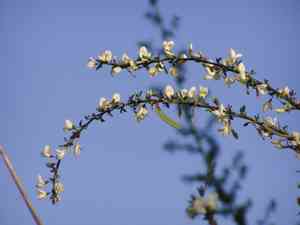
White spanishbroom, recognized for its profuse white flowers and resilient character, greatly benefits from trimming to preserve its visual attractiveness and well-being. The most opportune periods for pruning are late winter or early spring, prior to the emergence of new shoots. Pruning during these times stimulates prolific blooming and controls the shrub's dimensions and form. Consistent elimination of aged or lifeless branches and the thinning of congested zones improve light access and air movement, which are crucial for white spanishbroom's vigorous growth.
What Are the Benefits of Pruning White Spanishbroom?
What Are the Benefits of Pruning White Spanishbroom?
Trimming white spanishbroom promotes robust development and maintains its attractive form. Regular cutting helps revitalize the plant, leading to denser foliage and a more compact structure, crucial for garden appeal.
What Is the Best Time for Pruning White Spanishbroom?
What Is the Best Time for Pruning White Spanishbroom?
Pruning white spanishbroom in late winter or early spring is optimal, aligning with its dormant phase before new growth emerges. This timing minimizes plant stress, allowing it to recover from cuts more efficiently and allocate energy for vigorous spring development. Furthermore, pruning prior to the start of new spring growth helps preserve the plant's shape and encourages more abundant blooms, as white spanishbroom flowers on new wood. This ensures that pruning does not remove the current season's flower buds, maximizing the plant's decorative value during its flowering period.
What Tools Do I Need to Prune White Spanishbroom?
Hand Pruners
Perfect for making precise cuts on white spanishbroom's younger, thinner stems. These tools enable clean cuts that encourage healthy regrowth and maintain the plant's shape.
Lopping Shears
Effective for cutting through thicker branches of white spanishbroom that hand pruners cannot manage. Their extended handles provide the necessary leverage for denser growth.
Pruning Saw
Essential for managing the oldest and thickest branches of white spanishbroom. This tool assists in removing large branches safely and efficiently, preventing damage to the plant's structure.
How to Prune White Spanishbroom
Identify
Identify and remove all diseased and withered leaves from white spanishbroom to encourage healthy growth and prevent disease spread. Carefully inspect the plant for any signs of discoloration or decay.
Trim dead branches
Trim all dead branches from white spanishbroom, making cuts close to the branch collar to facilitate proper healing. Use sharp, clean pruning shears to make smooth cuts without tearing the bark, which can cause further damage.
Remove diseased branches
Remove any branches that show signs of disease. Make cuts at least a few inches into healthy wood beyond the infected area to ensure all diseased material is eliminated.
Shape plant
Shape white spanishbroom by selectively pruning overgrown branches to maintain a balanced, natural appearance. Focus on branches that disrupt the overall symmetry or density of the plant.
Cleanup
Clean up all removed material from around white spanishbroom to prevent any diseases from spreading. Disinfect your pruning tools after finishing to avoid transferring pathogens to other plants.
Common Pruning Mistakes with White Spanishbroom
Overpruning
A frequent error is removing too much foliage, which can stress white spanishbroom and reduce its vigor and flowering potential. White spanishbroom should not be pruned too severely, as this can lead to weak growth and fewer flowers.
Improper Cutting Technique
Using dull or unsanitized tools can damage the stems of white spanishbroom, leading to ragged cuts that heal poorly and increase the risk of disease.
Pruning into Old Wood
White spanishbroom does not respond well to cutting into old, woody stems, as it typically lacks the capacity to regenerate from old wood. This can result in bare patches and stunted growth.Focusing only on top branches often neglects the plant's overall shape and health. It's essential to consider the entire structure of white spanishbroom when pruning.
Common Pruning Tips for White Spanishbroom
Selective Thinning
Remove selected branches to thin out dense growth. This increases light and air penetration, which is beneficial for the health and flowering potential of white spanishbroom. Focus on removing inner branches that are weak, dead, or crossing.
Maintain Plant Shape
Trim white spanishbroom to maintain its natural broomy shape rather than forcing it into an unnatural form. This enhances the aesthetic appeal and promotes healthier growth.
Encourage New Growth
Prune just above new buds to direct white spanishbroom's growth outward rather than inward, ensuring a more open framework, which helps in maintaining its vitality and flowering capabilities.
Use Sharp Tools
Always prune with sharp, clean pruning shears to make clean cuts that heal quickly, reducing the risk of disease. Sanitize tools before use to prevent the spread of pathogens.



