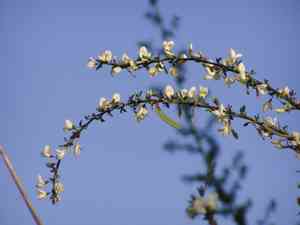
White spanishbroom (Cytisus multiflorus)
Also known as: Portuguese broom, Portugese broom
Cytisus multiflorus is a shrub that generally reaches a height between 0.4 and 2.5 meters, though it can occasionally grow taller. It features numerous slender, green branches that are typically five-angled and flexible. The leaves are predominantly found on the lower branches and are trifoliate, composed of three small leaflets. Upper branches may also have leaves, but these usually consist of a single leaflet.
In This Article
Attributes of White spanishbroom
Lifespan
Perennial
Plant Type
Shrub
Plant Height
2.5 m
Spread
2.5 m
Leaf Color
Green
Flower Size
1-2 cm
Flower Color
White
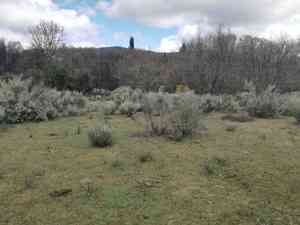
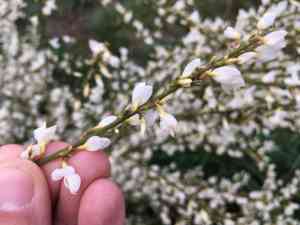
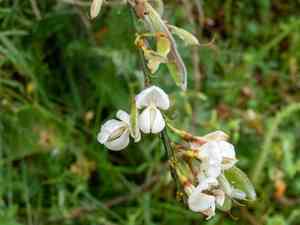
Images of White spanishbroom

Quickly Identify White spanishbroom
1
Cytisus multiflorus can be identified by its dense, bushy form and profuse white flowers. The leaves are small and trifoliate, remaining rather inconspicuous compared to the showy blooms.
Scientific Classification of White spanishbroom
Phylum
Vascular plants
Class
Dicotyledons
Order
Fabales
Family
Legume
Genus
Brooms
Species
White spanishbroom
Planting and Growing of White spanishbroom
Care Difficulty
Easy
Watering Schedule
Every 2 days
Sunlight Requirements
Full sun
Sunshine Duration
4-6 hours
Ideal Temperature
60-70℉
Soil Type
Potting Mix, Peat Mix
Soil pH
6.5-7.5
Fertilizer Type
Balanced
Pruning Season
Spring, Summer
Pruning Area
Branches, Leaves
Pruning Frequency
Once a year
Repotting Season
Spring
Pot Type
Ceramic, Plastic
 How to Water White spanishbroom?
When watering Cytisus multiflorus, aim for about 500 ml each time, ensuring the soil is evenly moist but never waterlogged. The principle is to soak the soil deeply yet allow it to dry out a bit between watering sessions. This mimics its natural habitat conditions.
What are the symptoms of an underwatered White spanishbroom?
›
What should I do if my White spanishbroom is not getting enough water?
›
What are the symptoms of an overwatered White spanishbroom?
›
How to save an overwatered White spanishbroom?
›
 What Are the Sunlight Requirements for White spanishbroom?
Cytisus multiflorus thrives in environments offering full to partial sun. Providing adequate light ensures brilliant blooming and healthy foliage, optimizing photosynthesis and helping fend off potential pathogens and pests.
What conditions does Cytisus multiflorus thrive in?
›
How to achieve the ideal lighting conditions?
›
What benefits does ideal light provide?
›
 What Is the Ideal Temperature Range for White spanishbroom?
The ideal temperature range for Cytisus multiflorus is between 60°F and 70°F. This range allows the plant to photosynthesize effectively and maintain optimal growth. Temperatures within this range provide a balanced environment that facilitates water and nutrient uptake, leading to healthy development and abundant flowering.
 What Soil is Best for White spanishbroom?
Cytisus multiflorus thrives in well-drained soils that prevent waterlogging. This condition helps avoid root rot and ensures the plant's roots can efficiently draw nutrients and oxygen. A nutrient-rich soil supports the healthy growth and vibrant flowering of Cytisus multiflorus. It helps provide essential nutrients that encourage robust growth and greater resistance to pests and diseases. This plant benefits from soil that retains moderate moisture levels, providing a consistent water supply without drowning the roots. It ensures sustained growth during dry periods while preventing the adverse effects of excessive wetness.
 How to Fertilize White spanishbroom?
Cytisus multiflorus, or white Spanish broom, thrives with balanced fertilization to support its vibrant growth and flowering. Aim for an application rate of about 1.5 to 2 pounds of fertilizer per 100 square feet. Liquid fertilizers should be diluted to half-strength to avoid nutrient burn and ensure steady growth accustomed to its needs.
 How to Prune White spanishbroom?
Begin by assessing the overall shape of your Cytisus multiflorus. Using sharp pruning shears, trim back any dead or damaged branches to maintain the plant's health. Focus on preserving a balanced silhouette by cutting back overgrown stems. Ideally, prune right after the blooms have faded to allow the plant to develop new growth for the next season.
More About Pruning Techniques→
 How to Propagate White spanishbroom plant?
1
Gather mature seeds from the plant after the flowering season. Ensure that seeds are fully ripened and dry for optimal germination.
2
Select a healthy stem and cut at a 45-degree angle just below a node. Remove any lower leaves to reduce water loss.
3
Place seeds or cuttings in a well-draining soil mixture in seedling trays. Keep the soil moist but not waterlogged to encourage root establishment.
 How to Repot White spanishbroom plant?
1
Repot Cytisus multiflorus when you notice roots emerging from the drainage holes, or if growth stalls despite proper care. Spring or Autumn is ideal, allowing the plant to recover in mild conditions. These are signs that the plant is bound and needs a larger pot for root expansion and nutrient uptake.
2
Select a pot that is one to two inches larger in diameter than the current one. This encourages healthy root growth and prevents overwatering due to excess soil. Pots with drainage holes are necessary to avoid water logging, thereby maintaining the right moisture levels for your plant's health.
3
Opt for well-draining, gritty soil. This composition mimics the plant's native habitat, ensuring proper aeration and moisture management. The soil should retain enough water to sustain the plant, yet be free-draining to prevent roots from sitting in excess moisture, which could cause rot.
Learn More About White spanishbroom Diseases
Anthracnose
Bacterial Leaf Spot
Black Spot
Crown Gall
Cyst Nematode
Damping-off
Downy Mildew
Drought Stress
Fusarium Wilt
Gray Mold
Leaf Curl
Leaf Spot
Mosaic
Nutrient Deficiency
Nutrient Toxicity
Powdery Mildew
Root Rot
Root-knot Nematode
Rusts
Sooty Mold
Spider Mites
Temperature Stress
Thrips Damage
White Mold



