How to Propagate White spanishbroom?
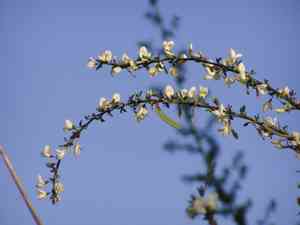
White spanishbroom flourishes when reproduced via the cutting technique. For effective propagation, choosing robust, non-blooming stems is crucial. Sever a 4-6 inch piece, ideally in late spring or summer, making sure to cut cleanly just beneath a node. Submerge the cutting's tip in a rooting compound to stimulate root growth and embed it in a well-draining, sandy substrate. Maintain consistent moisture in the soil and offer diffused light until the root system is firmly established.
Optimal Time for White Spanishbroom Propagation
Propagation Method
Cutting
Propagation Period
Autumn,Winter
Tools Required for White Spanishbroom Propagation
Sharp Pruning Shears
Crucial for obtaining clean, precise cuttings from white spanishbroom. Sharp blades ensure a smooth cut, minimizing damage to the parent plant and boosting rooting success. A clean cut also reduces infection risks at the wound site.
Rooting Hormone Powder
This substance encourages root development from the cut ends of white spanishbroom's cuttings. Dipping the base of cuttings in rooting hormone significantly increases the probability of root formation, vital for the new plant's survival and growth.
Sterilized Potting Mix
A pathogen-free potting mix provides a healthy environment for white spanishbroom cuttings to root. The medium's texture and composition should support moisture retention and adequate aeration, key for root establishment and growth.
Propagation Trays
These trays organize the potting mix and white spanishbroom cuttings, allowing for efficient space utilization and easier monitoring of moisture levels and growth. Trays also help maintain a controlled environment, crucial during early cutting development.
Plastic Covers or Humidity Domes
Covering propagation trays with plastic or using humidity domes helps maintain high humidity around white spanishbroom's cuttings, preventing them from drying out before rooting. The dome also ensures stable temperatures, enhancing rooting success.
How to Propagate White Spanishbroom?
Propagation Type
Moderately Difficult
How to Care for Your Newly Propagated White Spanishbroom?
How to Care for Your Newly Propagated White Spanishbroom?
Once roots form, gradually introduce the new white spanishbroom plants to drier conditions by removing the plastic cover. After initial acclimation, transfer them to larger pots or directly into the garden if the climate is suitable. White spanishbroom thrives in full sun and well-draining soil. Water regularly, but avoid overwatering to prevent root rot. Monitor for pests and diseases.
Common Mistakes to Avoid When Propagating White Spanishbroom
Incorrect cutting selection
Using old or woody stems instead of younger, greener shoots can lead to poor rooting efficiency. This can result in fewer new plants, as mature wood of white spanishbroom typically roots less effectively.
Overwatering cuttings
Excessively moist conditions can cause white spanishbroom cuttings to rot before they can root. Cuttings need humidity for rooting but should not be waterlogged, as this restricts oxygen supply to developing roots.
Deep planting of seeds
Planting seeds too deeply can hinder germination, as white spanishbroom seeds require sufficient light and a shallow depth to sprout properly. Burying them too deep can prevent them from receiving necessary light, impacting germination rates.
Tips For Propagating White Spanishbroom
Use semi-hardwood cuttings
Choose semi-hardwood cuttings taken in late summer, which offer a balance of flexibility and maturity for effective rooting. These cuttings provide a higher chance of successful root formation.
Pre-treat with rooting hormones
Applying a rooting hormone to the cut ends of white spanishbroom cuttings can stimulate root growth and increase the likelihood of successful propagation. This improves rooting consistency across cuttings.
Provide adequate light and moisture
For both cuttings and seed propagation of white spanishbroom, maintaining a balance of sufficient light exposure and consistent moisture is crucial. This environment supports healthy root development without the risk of rot or drying out.



