How to Prune Surinam sedge?
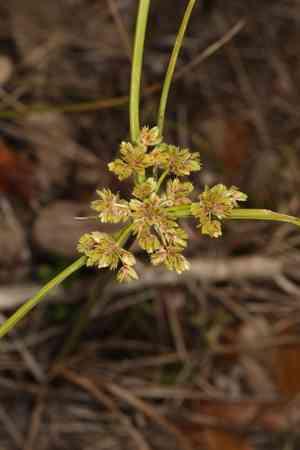
Surinam sedge, a perennial resembling grass with groupings of greenish-brown spikelets, flourishes in moist environments. To revitalize growth and preserve a neat look, cut back dead or excessive leaves in early spring or during winter. Cut down to the ground level, making sure to use sharp implements to avoid ripping. Trimming surinam sedge also helps manage its expansion and boosts air movement, thereby improving the plant's well-being. Consistent upkeep facilitates thicker and more robust new growth during its active periods.
What Are the Benefits of Pruning Surinam Sedge?
What Are the Benefits of Pruning Surinam Sedge?
Trimming surinam sedge promotes robust development and preserves its form, helping it stay dense and appealing. Strategic cuts improve plant vitality and curb uncontrolled expansion, ensuring a neater garden presence.
What Is the Best Time for Pruning Surinam Sedge?
What Is the Best Time for Pruning Surinam Sedge?
Cutting surinam sedge in early spring is advantageous as it coincides with the start of the plant's active growth phase. Pruning before new growth emerges allows the plant to focus energy on producing fresh, healthy shoots. Winter pruning, conversely, suits surinam sedge because it occurs during the plant's dormant period. This timing lowers the risk of stress and disease, as the plant is not actively growing and colder weather deters pests that might exploit fresh cuts.
What Tools Do I Need to Prune Surinam Sedge?
Hand Pruners
These are perfect for shaping and trimming the foliage of surinam sedge, enabling precise cuts without harming the plant's delicate stems.
Grass Shears
Grass shears are appropriate for surinam sedge due to their capacity to neatly trim grass-like foliage, a characteristic of the plant. Their long blades facilitate even shaping of the leaf tufts.
Long-Handled Loppers
For older or larger surinam sedge specimens, long-handled loppers can reach into denser foliage to cut thicker stems that hand pruners might not effectively manage.
How to Prune Surinam Sedge
Clean tools
Sanitize pruning implements using a solution of one part bleach to nine parts water to prevent disease transmission to surinam sedge.
Identify disease
Inspect surinam sedge closely to spot any diseased or withered leaves. Look for signs of discoloration, spots, or decay on the foliage.
Prune diseased
Carefully remove diseased leaves by cutting them at their base where they meet the stem, using sharp, clean shears. Ensure not to damage the healthy parts of surinam sedge.
Prune withered
Trim away withered or dead leaves similarly, which are typically brown and dry, to encourage new growth and maintain the health and appearance of surinam sedge.
Dispose waste
Discard all removed material far from healthy plants to prevent any potential spread of pathogens to surinam sedge or other garden species.
Common Pruning Mistakes with Surinam Sedge
Overpruning
Cutting back surinam sedge too aggressively can hinder its growth or even lead to its demise. It's crucial not to remove more than one-third of the plant at any single time.
Improper Tool Use
Employing dull or unclean cutting tools can harm surinam sedge's delicate stems, leading to illness and poor regrowth.
Neglecting Dead Foliage
Failing to remove dead or yellowing leaves can impede new growth and make surinam sedge more vulnerable to pests and diseases.
Ignoring Plant Shape
Randomly cutting stems without considering the natural form of surinam sedge may result in an unbalanced and unattractive appearance.
Common Pruning Tips for Surinam Sedge
Selective Trimming
Carefully remove only the older, outer stems of surinam sedge to encourage new growth from the clump's center, maintaining its neat appearance.
Clean Cuts
Always use sharp and clean pruning shears to make precise cuts, which will help surinam sedge recover more quickly and reduce the risk of disease.
Regular Maintenance
Regularly inspect surinam sedge for dead or damaged foliage to keep the plant healthy and promote vigorous growth.
Promote Air Circulation
When pruning, aim to open up the center of surinam sedge to improve air circulation, which can help prevent fungal diseases.



